Air Compressor Motor Commutators: Performance Requirements and Selection Guide
If your air compressor motor keeps underperforming or failing ahead of schedule, the commutator is often the component worth examining first. A high speed stability commutator is a precision electromechanical part engineered to maintain structural and electrical integrity in motors running at 20,000 to 60,000 RPM. Unlike standard commutators, it counteracts centrifugal forces that cause segment separation ("bar rising"), thermal expansion imbalance, and electrical arcing. For procurement engineers and sourcing managers in automotive, industrial, or HVAC sectors, understanding commutator performance requirements is not optional — it directly affects motor efficiency, service intervals, and total operating cost.
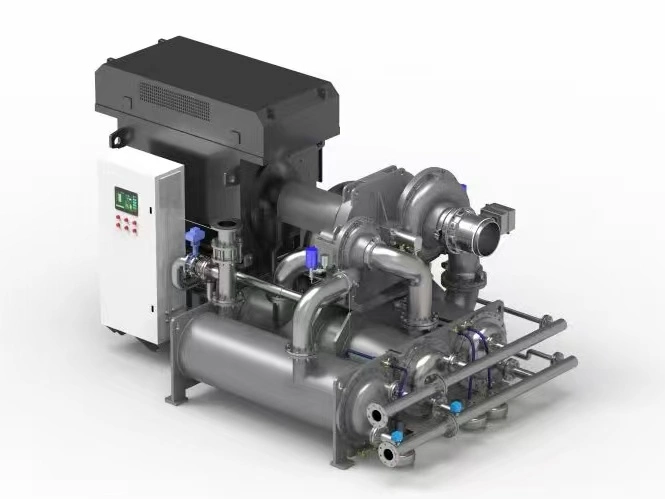
Understanding High-Speed Stability Commutators in Air Compressor Motors
What Makes These Components Different
Standard commutators work fine at modest speeds, but above 15,000 RPM, they start to break down physically and electrically. A high speed stability commutator solves this problem with stronger anchoring geometries, copper segments containing silver (usually 0.03% to 0.1%), and reinforcement rings made of glass fiber or carbon fiber. These structural improvements keep the bars from deforming when they're loaded and make them last a lot longer.
Key Material Properties
The copper metal that is used in precision motor commutators is very important. When compared to regular ETP copper, silver-bearing copper raises the softening temperature. This stops the section from deforming under contact heat. The insulating molding material is usually a phenolic resin supplemented with glass fibers that has a high glass transition temperature (Tg). This means that the shape stays the same even when heated and cooled quickly between -40°C and +150°C.
Engineering Specifications That Matter
Procurement engineers should pay attention to specs that can be measured. Quality commutators usually have a surface roughness (Ra) of less than 0.2μm and a bar-to-bar height deviation of less than 0.003mm. Shaking is less noticeable at high RPM when the dynamic balance grade is G0.4 or higher. Insulation is reliable if the dielectric strength is above 2,000V. These numbers are directly linked to less wear on the brushes, less noise from the motor, and longer component life.
Performance Comparison: High-Speed Stability Commutators vs. Other Types
Operational Efficiency at High Speeds
Standard commutators lose brush contact consistency above 20,000 RPM because the heights of the bars move around and the rotational force changes them. Brushless motors don't need commutators at all, but they cost more up front and need more complicated computer controls. For uses that need brush-type motors, like portable compressors, fuel pumps for cars, or power tools, a precision-grade commutator provides steady current flow without the extra electronic work.
Maintenance Load and Service Intervals
A precision commutator that is well-made cuts down on brush "jumping," which is what causes high-frequency motor whine and early brush wear. As long as the Total Indicator Reading (TIR) stays within the acceptable range, the brush contact stays stable, which lowers the frequency of maintenance. This means real savings in places like factories where motor downtime costs money. Field data from manufacturing operations shows that switching from standard to reinforced commutators can make it 30% to 50% longer between brush replacements.
Cost Considerations and Long-Term ROI
There can be a noticeable upfront price difference between standard and high-performance commutators, but the long-term cost of ownership can make the investment in a high speed stability commutator more practical for demanding motor applications. Frequent repairs, unexpected downtime, brush replacement, and motor damage caused by excessive arcing can quickly increase operating expenses. When purchasing teams evaluate a high-speed stability commutator based on total cost of ownership rather than unit price alone, they can better assess its impact on maintenance requirements and long-term motor reliability. A properly manufactured high speed stability commutator can support stable electrical contact, reduce premature wear, and help minimize performance-related service interruptions. For high-volume procurement, purchasing a high speed stability commutator from a qualified and certified OEM supplier may also reduce the per-unit cost through volume production and more efficient supply arrangements. By considering purchase price, service life, maintenance frequency, and supply reliability together, buyers can make more informed decisions when sourcing a high speed stability commutator for long-term motor applications.
Selecting the Right Commutator for Your Air Compressor Motor
Performance Specifications to Evaluate
Before you place an order, make sure that the following factors match the design standards for your motor:
- RPM rating: Confirm the commutator is rated beyond your peak operating speed, ideally by a 20% margin.
- Segment material: Silver-bearing copper is preferred for high-heat, high-speed environments over standard copper.
- Outer diameter and slot count: Must match motor winding configuration exactly to avoid contact irregularities.
- Dynamic balance grade: G0.4 or better is appropriate for motors above 30,000 RPM.
These specs should be checked against the paperwork that came with your motor or taken straight from the engineering plans that you gave to your provider. Even a small difference in one number can cause the system to fail early.
OEM Customization and Fit
The shape of the commutator varies from one air compressor motor to the next. When procurement teams use OEM/ODM customization, they can find parts that are made from their own models and within their own limits for size. This is very important for Tier 1 and Tier 2 car providers who need parts to be the same from one production batch to the next. Working with a supplier that takes specifications from the customer lowers the risk of design mistakes and speeds up the qualification process.
Supplier Evaluation Criteria
When choosing a commutator provider, it is necessary to make sure that they are certified. If a seller has both ISO 9001 and IATF 16949 certifications, it means that they have a documented quality control system that can be tracked. Along with approval, you should also look at the supplier's testing methods. Thermal shock cycling, spin testing at 1.2x to 1.5x stated speed, TIR measurement, and bar-to-bar resistance checks are all signs of strict manufacturing. A supplier with a one-year warranty and clear replacement procedures for quality problems is also likely to be reliable in the long term.
Maintenance and Troubleshooting of High-Speed Stability Commutators
Common Failure Modes to Watch For
In the field, three common commutator failure modes can significantly affect motor performance and service life. First, abrasive or uneven brush contact can gradually wear the commutator surface and increase Total Indicator Reading (TIR) beyond acceptable limits. A properly manufactured high speed stability commutator can help maintain controlled runout and stable brush contact during repeated operation. Second, poorly seated brushes can create localized arcing, causing commutator segments to become overheated or burned and leading to carbon deposits on the contact surface. Selecting a high speed stability commutator with appropriate surface finish and segment geometry can help reduce the risk of unstable electrical contact. Third, mechanical imbalance can occur when commutator segments become loose, increasing vibration and potentially contributing to motor damage at elevated rotational speeds. For applications requiring a high speed stability commutator, secure segment retention, dimensional accuracy, and rotational balance are therefore important considerations. Identifying the specific failure mode is essential for selecting the appropriate corrective action, while using a high speed stability commutator with controlled manufacturing tolerances can help support stable operation and reduce premature component failure.
Routine Inspection and Cleaning Protocols
Regular upkeep makes sure that the commutator works as it should. Check the commutator surface every 500 to 1,000 hours of use, based on how much load it is carrying. Look for spots, staining, or wear patterns that aren't even. Dry compressed air or a cloth without lint can be used to get rid of carbon deposits. Soaps that could damage the resin insulation should not be used. Check the roundness of the TIR on a regular basis with a clock indicator to make sure it stays within the 0.003mm standard.
When to Escalate to Professional Service
Changing the brushes and cleaning the surface are both part of regular upkeep. But if TIR is higher than acceptable after cleaning or if bar-to-bar resistance tests show micro-shorts, replacement is the right thing to do instead of field repair. Professional inspection makes sure that the root cause is fixed correctly for complex motor assemblies used in aerospace or cars. If you try to re-machine a commutator in the field without first making sure your tools are accurate, you could add more measurement error.
Application Insights and Future Trends in Air Compressor Motor Commutators
Current Industrial Applications
A lot of different industrial systems use precision motor commutators. In HVAC compressors, they can handle constant job shifts in climate-controlled areas. They can handle vibrations and changes in temperature better than regular parts in hydraulic systems for construction equipment. Tough commutators are also needed for fuel supply pumps and cooling fan motors in cars to meet IATF 16949 quality standards across all production levels.
Emerging Materials and Design Trends
Material science is improving the performance of commutators even more. Carbon-fiber strengthening rings are now being made for use in situations where the speed is higher than 50,000 RPM. Low-outgassing resin formulas are making vacuum and sterile settings more useful. More and more quality labs are using laser-profile surface measurement instead of manual gauges to make sure that each batch is the same.
Procurement Strategy Going Forward
As rules about the environment get stricter and standards for motor efficiency rise, procurement teams should expect to see tighter tolerances for measurements and a bigger focus on being able to track down materials. Setting up long-term OEM agreements with certified suppliers now will help your supply chain keep up with changing standards without having to go through painful re-qualification cycles in the future.
Conclusion
Selecting the correct high speed stability commutator for an air compressor motor can influence operating performance, maintenance costs, service life, and production continuity. For procurement teams, understanding the material requirements, performance specifications, manufacturing capabilities, and supplier qualifications associated with a high speed stability commutator can support more informed sourcing decisions. The selected high speed stability commutator should match the motor's electrical load, rotational speed, thermal conditions, and mechanical requirements to ensure reliable operation under actual working conditions. When purchasing a high speed stability commutator, buyers should also verify precision-manufacturing capabilities, relevant certifications, quality-control procedures, and batch consistency. Whether the requirement involves recurring bulk orders or qualifying a new supplier, choosing a properly certified and accurately manufactured high speed stability commutator can help reduce premature wear, unexpected maintenance, and production interruptions. Evaluating technical performance and total cost of ownership rather than purchase price alone allows procurement teams to select a high speed stability commutator that supports reliable long-term motor operation.
FAQ
What RPM range can a high speed stability commutator handle?
Quality commutators can handle up to 60,000 RPM consistently, depending on the thickness and the type of reinforcement used (steel ring vs. fiber ring). When you place an order, you should always say what your top speed is and make sure the product is rated at least 20% faster than that.
Why is silver-bearing copper preferred over standard copper?
At lower temperatures, standard ETP copper gets softer. Copper with 0.03% to 0.1% silver raises the softening point, which stops the segment from deforming when high rotational speeds create frictional heat.
What causes bar rising in high-speed motors?
When centrifugal force is stronger than the molding compound's mechanical grip, copper segments are pushed outward. This is called bar rising. This doesn't happen with precision commutators because they have stronger mounting shapes and fiber-reinforced resin systems.
How often should I inspect the commutator surface?
For applications with a moderate load, check every 500 to 1,000 hours of use. Look for pits, staining, and carbon layers on the surface. Use a number indicator to check that the TIR stays within the 0.003mm range.
Does IATF 16949 certification matter for commutator sourcing?
Yes, IATF 16949 certification shows that the supplier has documented systems in place for process control, traceability, and defect management that are in line with the needs of the automotive manufacturing industry. It is a basic need for both Tier 1 and Tier 2 automotive supply chains.
Partner With Angu for Precision Air Compressor Motor Commutators
With ISO 9000 and IATF 16949 approval, 3 idea patents, and 6 utility model patents, Angu has been making commutators for 20 years and is ready to take on any order. With 30 days of delivery and the option to ship by sea, air, DHL, FedEx, or UPS, Angu is a reliable high speed stability commutator supplier. Every item comes with a one-year guarantee that covers quality problems with free replacements. To get a price or send us your plans right away, email our engineering team at chenrf@angu.com or go to angu-group.com.
References
1. IEEE Transactions on Industry Applications — "Brush and Commutator Wear in High-Speed DC Motors," 2019.
2. Journal of Materials Engineering and Performance — "Silver-Bearing Copper Alloys for Elevated Temperature Electrical Applications," 2020.
3. SAE International Journal of Engines — "Commutator Performance in Automotive Fuel Pump Motors Under Thermal Cycling Conditions," 2018.
4. CIRP Annals — Manufacturing Technology — "Precision Surface Finishing of Commutator Segments: Measurement and Quality Control," 2021.
5. IEC 60034-1: Rotating Electrical Machines — Part 1: Rating and Performance, International Electrotechnical Commission, 2022.
6. Machinery Lubrication Magazine — "Predictive Maintenance Practices for Universal Motor Commutators in Industrial Compressor Applications," 2021.
YOU MAY LIKE