Anti-Spark High-Strength Commutator Reduce Wear & Extend Starter Lifespan
If you've ever dealt with a failed starter motor mid-production or during fleet operation, you already know how expensive that downtime gets. The answer often traces back to one small but critical part — the commutator. A quality Car Starter Commutator DC Motor Armature Part that controls sparking and resists mechanical wear can add years to your starter's service life. In this guide, I'll walk through the technology, selection criteria, maintenance practices, and procurement strategy you need to make smarter sourcing decisions.
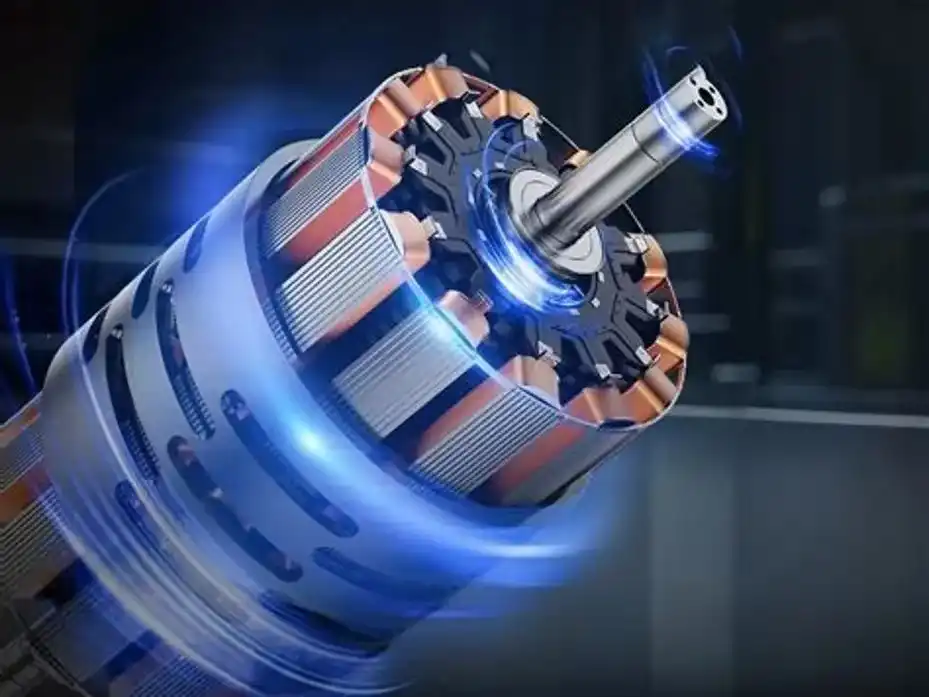
Understanding the Role of the Commutator in Car Starters
What a Commutator Actually Does
In a DC motor, the commutator works as a mechanical inverter inside the motor. It changes the direction of the current between the carbon brushes that stay still and the armature windings that spin, so the torque stays in one direction all the time. If you don't have perfect section geometry and surface finish, the current transfer doesn't work, which leads to arcing, heat buildup, and torque loss.
Material Composition and Construction
Silver-bearing copper (Ag-Cu) pieces are used in high-performance commutators. This metal doesn't soften at temperatures above 200°C, which is very important when cranking for a long time or starting over and over again. Electrical shielding with a dielectric strength of more than 25 kV/mm is provided between pieces by phenolic or epoxy molding materials. This keeps voltage spikes from happening.
Common Wear Mechanisms That Shorten Starter Life
There are three main reasons why commutators fail too soon. First, electrical sparking from uneven brush tension or high bar-to-bar resistance leads to carbonization in certain areas, which gives the surface a “burnt” look. A High-Toughness Copper Commutator with consistent segment conductivity and stable brush contact can help reduce the risk of localized electrical arcing. The second thing that speeds up brush wear is mechanical friction caused by a surface finish that isn't in the 0.4–0.8 μm Ra band. For a High-Toughness Copper Commutator, controlled surface roughness and accurate machining can help maintain smoother brush contact and reduce unnecessary wear. Third, dust and water in the environment, which are common in off-road and construction equipment, affect the durability of insulation over time. A properly manufactured High-Toughness Copper Commutator should therefore have reliable insulation and dimensional stability suited to the intended operating environment. Selecting a High-Toughness Copper Commutator with appropriate material quality, surface finish, and insulation performance can help support consistent commutator service life.
To choose a commutator that will hold up under real working loads, you need to know about these failure modes.
Anti-Spark High-Strength Commutator Technology: Solution Introduction
Why Traditional Commutators Fall Short
Regular commutators made from regular ETP copper start to soften when heated for a long time. Their segment surfaces develop tiny flaws that make the brush bounce at high RPM, which leads to electrical noise and power drops. In vehicles that start and stop, the starter works up to 10 times more often than in regular vehicles. This failure cycle speeds up a lot.
What Anti-Spark Technology Changes
Anti-spark commutators solve these problems by making three design changes that can be seen and measured:
- Silver-bearing copper segments keep their shape at high temperatures for a long time, which stops the segments from deforming and starting an arc.
- Total Indicated Runout (TIR) below 0.03 mm makes sure the brush contact stays stable at speeds of up to 15,000 RPM. This lowers electrical noise and mechanical bounce.
- Precision mica undercut depth control makes sure that the carbon brushes only touch the conductive copper surface and not the harder insulation material. This keeps the brushes from wearing out too quickly and losing contact.
These design features directly lead to longer service intervals and fewer starter replacements in heavy machinery, industrial equipment, and cars.
Industries That Benefit Most
Heavy-duty diesel truck makers, auto OEM providers, and building equipment makers all have to deal with high-current cranking demands, which are usually between 800A and 1,000A when it's below zero outside. There are clear performance benefits to using anti-spark high-strength commutators in these settings compared to other options. The technology works well with farming equipment and factory automation systems where a broken starter can seriously mess up operations.
Choosing the Right Commutator and Armature for Your Car Starter
Material Selection: Copper, Alloys, and Composites
Because it softens at a higher temperature and conducts electricity more steadily, silver-bearing copper works better in most difficult situations than standard electrolytic tough pitch (ETP) copper. Copper metals are a good balance between cost and performance for moderate-duty uses. Composite materials are usually only used in specialized settings where reducing weight is more important than increasing current capacity.
New vs. Rebuilt Commutators
Light surface wear can be fixed by rebuilding the commutators. A small amount of turning to make them round again is a valid repair. But once the pitting gets too bad to fix or the insulation starts to break down, rebuilding doesn't keep OEM durability. For buying in bulk to support production lines or fleet repair programs, new parts have uniform size tolerances and can be tracked back to their source of quality, which is very important for IATF 16949-compliant supply chains.
Vendor Evaluation Criteria
When looking for a supplier of Car Starter Commutator DC Motor Armature Part or commutators, don't just look at price. Make sure the maker is certified by ISO 9000 or IATF 16949. This makes sure that the process is consistent and that problems can be tracked. Check to see if they can do OEM/ODM work for specific needs. Check their wait times, packing guidelines, and see if they offer foreign shipping choices like air freight, sea freight, and express carriers like DHL, FedEx, and UPS.
Maintenance and Troubleshooting for Car Starter Commutators
Routine Inspection Best Practices
Every time you service the commutator, look at the surface for darkening, pitting, or odd wear patterns. Use a dial indicator to check the TIR. Any reading above 0.03 mm means there is a problem. Check the level of the mica undercut. Arcing happens when insulation sticks out above the copper segments, which is called "high mica" and needs to be fixed right away.
Electrical Diagnostic Methods
A bar-to-bar spike tester can find short circuits in the windings or weak spots in the insulation. The molding compound can handle high-voltage spikes without leaking, as shown by a dielectric breakdown test. Profilometer analysis checks the roughness of the surface; make sure the Ra value stays between 0.4 and 0.8 μm so the brush can seat properly.
Identifying Symptoms Early
If you see sparks at the brush area, hear grinding noises when the engine starts up, or sometimes the turning fails, it means that the commutator is wearing out. Each sign has a specific cause: too many sparks usually mean high bar-to-bar resistance; grinding means TIR deviation; and starting and stopping randomly could mean insulation breakdown or contaminated segments. If you take care of these signs early, you can avoid having to replace the whole armature, which costs a lot more.
Procurement Guide: How to Buy Car Starter Commutators and DC Motor Armatures
OEM vs. Aftermarket Sourcing
OEM-grade procurement means that the part matches the original design specifications. This is very important for Tier 1 and Tier 2 car providers who need to be able to track all certifications. When it comes to material quality and size accuracy, aftermarket parts are very different. For regular, large orders, working directly with a Car Starter Commutator DC Motor Armature Part manufacturer that offers OEM/ODM services lets you keep an eye on quality and make changes as needed.
Evaluating Supplier Credibility
A trustworthy supplier should have at least 20 years of production experience, show that they are certified by IATF 16949 or ISO 9000, and have a documented quality control method that includes spin testing, bar-to-bar surge testing, and surface profilometry. Patent-backed output, like filed creation or utility model patents, shows real engineering depth, not just the ability to put things together.
Logistics and After-Sales Considerations
For buyers from other countries, make sure the seller offers more than one way to ship. For urgent orders, a 30-day production schedule with options for air freight or fast shipping gives you choices. Make sure the seller offers a guarantee that lasts at least one year and spells out how to replace faulty products. These terms protect your budget for buying things and lower the risk in the supply chain.
Conclusion
How long your starter motor works reliably is directly related to the quality of the commutator. For demanding automotive starting applications, a Car Starter Commutator DC Motor Armature Part should provide reliable current transfer, stable mechanical performance, and consistent dimensional accuracy. Features such as anti-spark design, silver-bearing copper construction, tight dimensional tolerances with TIR under 0.03 mm, and proper mica undercut depth are important considerations rather than unnecessary extras. A properly manufactured Car Starter Commutator DC Motor Armature Part can help maintain stable contact between the brushes and commutator during repeated starting cycles. For automotive, industrial, and heavy-equipment applications, each Car Starter Commutator DC Motor Armature Part should be produced according to the required electrical and mechanical specifications. When procurement teams choose a qualified, experienced manufacturer with a track record of OEM/ODM work, they can obtain the quality and supply consistency required for their operations. This makes a reliable Car Starter Commutator DC Motor Armature Part an important component for maintaining dependable starter motor performance.
FAQ
Why is silver-bearing copper preferred over standard copper in commutators?
Copper that contains silver has a much higher melting temperature than regular ETP copper. When ETP copper segments are heated for a long time, they can change shape, which can lead to arcing and segment separation. When segments are heated, Ag-Cu keeps their shape, which directly increases its service life.
What does Total Indicated Runout (TIR) affect in a starter motor?
In a starting motor, high TIR makes the carbon brushes bounce off the commutator surface at high RPM. This brush bounce makes noise in the electrical system, lowers the torque output, and speeds up the wear on both the brush and the commutator. Keeping TIR below 0.03 mm keeps the contact stable and the power transfer steady.
When should a commutator be replaced rather than refurbished?
By turning the commutator on a lathe, you can sometimes fix light surface wear. But if there are deep pits, burned pieces from arcing, or any other sign that the insulation is breaking down, the whole thing needs to be replaced. If you try to repair a commutator that is badly damaged, it could keep failing and cause damage to the armature.
What causes the "burnt" appearance on a commutator surface?
The most common cause is carbonization in certain areas caused by too many sparks. This usually happens because the brush force is wrong, the bar-to-bar resistance is too high, or the segments are dirty. It means that the surface for electrical discharge has been damaged and needs to be looked at.
How does mica undercut depth affect brush life?
Because the mica insulation between the segments should be level with or above the copper surface, the harder insulation material should touch the carbon brushes. This makes the brush wear out faster and can lead to contact loss. When the undercut is the right depth, the brushes only touch the copper segments.
Partner with Angu for Precision Commutator Solutions
Your production line needs a Car Starter Commutator DC Motor Armature Part supplier that can really help with making things. Angu is certified by ISO 9000 and IATF 16949. They also have three invention patents and six utility model patents, and they have been making things for 20 years. We ship by sea, air, or express (DHL, FedEx, UPS) and deliver within 30 days. We also offer OEM/ODM customization and a 1-year guarantee. To get a price right away, email us at chenrf@angu.com or go to angu-group.com.
References
1. SAE International Journal of Engines — "Thermal Performance of Silver-Bearing Copper Commutator Segments in Automotive Starter Motors," SAE International, 2021.
2. IEEE Transactions on Industry Applications — "Brush-Commutator Interface Wear Mechanisms in DC Starter Motors," IEEE, 2019.
3. Automotive Engineering International — "Start-Stop System Demands on Starter Motor Components," SAE Media, 2020.
4. IATF 16949:2016 — Quality Management System Requirements for Automotive Production, International Automotive Task Force, 2016.
5. Journal of Materials Engineering and Performance — "Wear Resistance of Copper Alloys Under High-Current Sliding Contact Conditions," ASM International, 2018.
6. Electrical Manufacturing & Coil Winding Expo Proceedings — "Dielectric Testing Standards for DC Motor Armature Insulation Systems," EMCWA, 2022.
YOU MAY LIKE