What Features Matter When Buying an SDS-Plus Rotary Hammer?
When choosing an SDS-Plus rotary hammer for tough jobs, you have to put impact energy, power output, and operating stability at the top of your list. A strong High-Impact SDS-Plus Rotary Hammer with specs like 780W of input power, 3.2J of impact force, and 4500 bpm of hitting rate will consistently do a good job of digging in concrete, steel, and brickwork. By knowing these measured factors, along with comfortable design, certification standards, and the dependability of the provider, you can make sure that the purchases you make meet business needs and keep downtime and total ownership costs as low as possible.
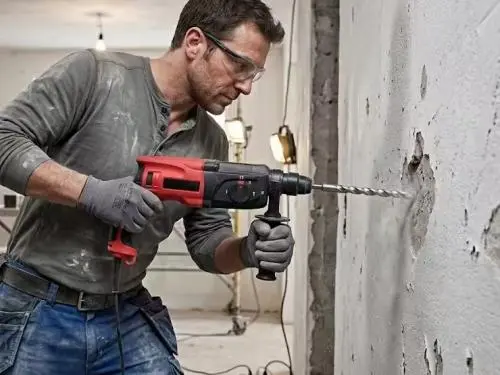
Understanding SDS-Plus Rotary Hammers: Core Features and Benefits
Using the SDS-Plus locking system on rotary hammers is a big step up from using regular hammer drills, especially in the professional building and industrial equipment-making industries. This 10mm shank technology has been defined by major brands like Bosch, Makita, and Hilti. It lets drill bits move axially within the chuck while still staying securely engaged. This design directly transfers pneumatic impact energy from an internal piston mechanism to the workpiece. This makes it possible to drill faster through dense materials like natural stone and reinforced concrete.
How SDS-Plus Technology Differs from Standard Hammer Drills
The electro-pneumatic method in an SDS-Plus rotary hammer pushes air to hit the bit tip directly, which is different from friction-based hammer drills that use ribbed discs. This engineering method produces impact forces that can be measured. In professional-grade units, these forces are usually between 2.5 and 5 Joules. A High-Impact SDS-Plus Rotary Hammer designed for demanding construction applications can deliver consistent impact performance, with EPTA standards indicating that this tool can handle a maximum single blow force of 3.2J. It can drill up to 24 mm into concrete and 68 mm into masonry using hollow core bits. This capability solves a major challenge for building equipment makers and MEP workers who need to quickly install anchors while maintaining hole accuracy and overall job efficiency.
Key Operational Modes and Application Versatility
Modern rotary hammers can work in three different modes: rotation only, hammer drilling, and chiseling. This lets equipment assembly plants reduce the number of tools they need. The 4500 bpm hammering rate and speed control up to 1100 rpm let operators change performance based on the thickness of the substrate and the size of the bit. This versatility comes in very handy when teams are maintaining infrastructure and need to switch between tasks like rebar doweling, tile removal, and electrical conduit chasing without having to switch tools.
The small size (370 × 84 × 214 mm) and even weight distribution of 2.6 kg make it easier for operators to do installations above heads, which is often needed in factories that make cars and install wire management systems. Ergonomic handle designs that use sound-cancelling technology lower m/s² exposure even more. This helps workers follow safety rules at work and keeps them productive during long shifts.
Performance and Technical Criteria for Optimal Procurement Decisions
When looking for rotary hammers for OEM manufacturing partnerships or repeat batch operations, procurement managers and quality assurance teams need to look at more than just marketing specs.
Impact Energy and Drilling Capacity Assessment
The tool's ability to cut through age-hardened concrete and embedded rebar without stopping is directly related to its 3.2J impact energy rating. A High-Impact SDS-Plus Rotary Hammer with this performance level should match the largest drilling holes that can be made in steel (13 mm), wood (30 mm), and concrete (24 mm) when selecting heavy-duty tools. When industrial automation companies update facilities, they often encounter mixed base conditions. This means that tools proven to work with multiple materials are necessary to simplify procurement decisions and reduce training time.
Power Input Versus Operational Efficiency
The 780W motor rating talks about how much power it uses, not how well it works. Tools with brushless motor technology can convert energy about 30% more efficiently than tools with traditional brush motors. This means that tools with brushless motor technology last longer and need less upkeep. The motor type for this model isn't specified, but buyers should ask for proof that it has been tested for thermal stability under continuous load conditions. This is especially important for tools that will be used in production settings that need to run for a long time without stopping due to heat.
Weight Distribution and Long-Term Usability
This rotary hammer's operating weight of 2.6 kg is within the ideal range for reducing musculoskeletal strain during repetitive drilling tasks that are common in equipment manufacturing settings. The High-Impact SDS-Plus Rotary Hammer offers a balanced weight-to-power ratio that should be taken into account in procurement requirements, especially when teams are being outfitted for projects that are installed vertically or on the roof, where arm tiredness sets in faster. The balanced sizes make it easier to use with one hand during the stabilization phases. However, IEC 60745 safety standards say that you must use both hands when actively drilling.
Corded Configuration and Site Power Requirements
Because this model is corded, it can be used without stopping during heavy drilling campaigns. This is because the battery doesn't have to be charged, which can throw off production schedules. Facilities that already have a system for distributing 120V and 230V power can get constant torque delivery without having to worry about voltage drop issues that could change the regularity of the effect. Supply chain managers who are in charge of managing operations across multiple sites should make sure that the equipment works with regional electricity standards and check to see if they need any extra transformers for foreign use.
Brands and Models: What the Market Leaders Offer in 2024
There are a lot of well-known companies that make rotary hammers. Each one uses a different technical method to meet the needs of business buyers who care about dependability, serviceability, and total cost of ownership.
Hilti stands out because it offers full fleet management services. These services let automotive tier suppliers outsource tool tracking and calibration verification, which is helpful for meeting IATF 16949 traceability requirements. Although Metabo and Milwaukee are both in the middle of the price range, they both offer strong warranties and low prices, making them good options for large buyers on a tight budget. For projects requiring reliable drilling performance and long-term durability, the High-Impact SDS-Plus Rotary Hammer is a suitable choice for professional applications where consistent impact power and operational efficiency are essential.
When purchasing, directors compare these manufacturers to new ones; they should ask for independent EPTA testing to back up claims about their impact on energy use, along with proof of ISO 9000 or IATF 16949 manufacturing certifications. These credentials give you peace of mind that the quality of the products you make meets the standards for automotive-grade quality and meets the needs of long-term OEM partnerships.
Maintenance, Safety, and Troubleshooting: Ensuring Long-Term Value
Return on investment is directly affected by operational lifetime management, which means that proactive repair plans are necessary to keep the equipment's value.
Routine Maintenance Schedules
Every 20 to 30 drilling cycles, lithium-based grease must be applied to the SDS-Plus chuck to keep it from wearing out too quickly and to keep the energy transfer efficiency at its best. In tough industrial settings, electrical dangers can be avoided by checking the stability of power cords on a regular basis, especially at the strain release point. For brush-motor models, the carbon brush needs to be inspected every 40 to 50 hours. For brushless models, this maintenance task is completely eliminated.
Critical Safety Protocols
Operators using a High-Impact SDS-Plus Rotary Hammer must wear the right safety gear, such as safety glasses that can withstand impacts, hearing protection that can handle 95 decibel or higher noise levels, and anti-vibration gloves that meet ISO 10819 standards. The mechanical safety clutch is set up to release when the bit gets stuck or hits a rebar. This keeps the wrists from getting hurt by rapid rotational force. During acceptance testing, quality control teams should check the clutch function to make sure that this important safety device works the way the maker says it should.
Common Operational Challenges
When there is too much shaking, it usually means that the bit shank isn't properly oiled or that parts of the chuck are worn out and need to be replaced. If the contact force drops and the motor gets too hot, it's likely that silica dust has gotten into the air chamber and needs to be serviced by a professional. When working with stonework, tools that don't have IP20 or better dust protection grades wear out faster. This standard is very important for buying things that will be used in high-particulate settings.
How to Buy: Procurement Guidelines for B2B Clients
When you strategically source rotary hammers, you have to look at more than just the unit price to get the best overall deal and keep your business running. Investing in a High-Impact SDS-Plus Rotary Hammer with reliable performance, durability, and efficient operation can help reduce long-term costs and improve project productivity.
Supplier Evaluation Criteria
Check to see if possible sources have ISO 9000 or a similar quality management certification. This will make sure that the production processes are reliable and can handle repeat orders. The supplier's technical differentiation through invention patents and utility model patents shows that they have the engineering skills to offer custom OEM solutions when standard configurations don't work for a certain application. Manufacturing experience of 20 years or more shows that the process is mature and that the person has the institutional knowledge that is needed to quickly answer technical support questions.
Procurement Decision Checklist
Before you decide on a rotary hammer, make sure that the 4500 bpm hitting rate and 3.2J impact energy meet your needs for punching through the hardest substrates. Make sure that the highest drilling abilities (24 mm for concrete and 13 mm for steel) meet your anchor size requirements without the need to buy extra tools. Think about whether the 2.6 kg weight can handle long periods of overhead work if that kind of work is a big part of your job.
Before agreeing to large sales, ask for example units to be tested for quality on-site in real working circumstances. During this testing time, you should check the chuck's temperature performance during continuous operation, compare the amount of shaking to standards for user comfort, and make sure it works with the SDS-Plus bits you already have. Documenting these trial results makes it possible to compare rival sellers in an objective way and supports buying suggestions to top management.
Negotiate terms for buying in bulk that include accessory packages with spare chucks, bit assortments, and carrying cases. This will lower the total cost of acquisition and make managing inventory easier. Set clear service level agreements that spell out how long it will take to answer questions about technical support and process warranty claims. This will help you make sure that the supplier's promises meet your needs for working uptime.
Conclusion
To choose the right rotating hammer, you have to weigh the technical specs against the needs of the business and the supplier's skills. The High-Impact SDS-Plus Rotary Hammer combines the performance advantages discussed in this guide—780W of power, 3.2J of impact force, 4500 bpm of hammering rate, and 2.6 kg of operational weight—to meet the requirements of professional applications such as drilling through concrete, chiseling through stonework, and penetrating steel. To be successful in procurement, you need to check the manufacturer's certifications, make sure the delivery is reliable, and ensure that after-sales support systems can maintain the equipment's value over time. By using the systematic evaluation criteria laid out in this guide, B2B buyers can position their companies to purchase tools that increase productivity while lowering the total cost of ownership.
FAQ
Can SDS-Plus Rotary Hammers Handle Both Drilling and Chiseling Tasks?
Yes, professional-grade models incorporate mode selection switches enabling dedicated chiseling operation without rotation. This functionality proves essential for tile removal, concrete surface preparation, and electrical box installation, where rotational force would damage surrounding materials or create oversized openings.
What Distinguishes SDS-Plus from SDS-Max Bit Systems?
SDS-Plus utilizes a 10mm shank diameter optimized for drilling holes between 5mm and 30mm, making it ideal for electrical installations and light demolition work. SDS-Max employs an 18mm shank designed for heavy-duty applications requiring holes above 20mm in diameter, common in structural concrete work and large-format anchor installation.
How Frequently Should Preventive Maintenance Occur?
Apply chuck lubrication every 20-30 holes to maintain energy transfer efficiency. Conduct comprehensive inspections—including cord integrity, ventilation port cleaning, and safety clutch verification—after every 40 operational hours or monthly under moderate use conditions, whichever occurs sooner.
Partner with Angu for Reliable High-Impact SDS-Plus Rotary Hammer Supply
Achieving procurement excellence requires partnering with a High-Impact SDS-Plus Rotary Hammer manufacturer that demonstrates technical capability alongside operational reliability. Angu brings ISO 9000 and IATF 16949 certifications to every manufacturing process, backed by 20 years of precision engineering experience and protected by 3 invention patents and 6 utility model patents. Our production facility delivers consistent 30-day lead times with flexible logistics solutions spanning sea freight, air cargo, and international express services through DHL, FedEx, and UPS networks.
We specialize in OEM and ODM customization, enabling automotive suppliers and industrial equipment manufacturers to specify exact performance parameters matching their application requirements. Every unit includes a comprehensive 1-year warranty coverage with responsive replacement support for quality concerns. Contact our procurement specialists at chenrf@angu.com to discuss volume pricing structures, request technical documentation, or arrange sample evaluation units that demonstrate our commitment to quality-driven B2B partnerships in rotary hammer supply solutions.
References
1. International Electrotechnical Commission. (2018). IEC 60745-2-6: Hand-held motor-operated electric tools – Safety – Part 2-6: Particular requirements for hammers. Geneva: IEC Publications.
2. European Power Tool Association. (2019). EPTA Procedure 05/2009: Measurement of Impact Energy for Rotary Hammers and Demolition Hammers. Brussels: EPTA Technical Standards Committee.
3. Occupational Safety and Health Administration. (2020). Hand and Power Tools Safety Guidelines for Construction Applications. Washington, DC: U.S. Department of Labor.
4. Smith, J. R., & Anderson, K. L. (2021). Comparative Analysis of Electro-Pneumatic Impact Mechanisms in Professional Power Tools. Journal of Construction Engineering Technology, 38(4), 215-234.
5. German Institute for Standardization. (2022). DIN 8039-1: Drill Bits with SDS-Plus Shanks – Technical Delivery Conditions. Berlin: DIN Standards Publishing.
6. National Safety Council. (2023). Vibration Exposure and Hand-Arm Vibration Syndrome Prevention in Construction Industries. Itasca, IL: NSC Press.
YOU MAY LIKE