Air Conditioner Fan Motor Commutators: Ensuring Long-Term Operation
Air conditioner fan motors depend on one small but critical component to stay quiet and efficient over time — the commutator. A low noise motor commutator is a precision-engineered rotary switch that transfers electrical current between stationary brushes and a spinning armature. Compared to standard models, these components are manufactured to tighter surface tolerances, which reduces arcing and mechanical friction — the two main causes of motor noise. For HVAC procurement teams and OEM manufacturers, selecting the right commutator directly impacts product lifespan, sound performance, and total operating cost.
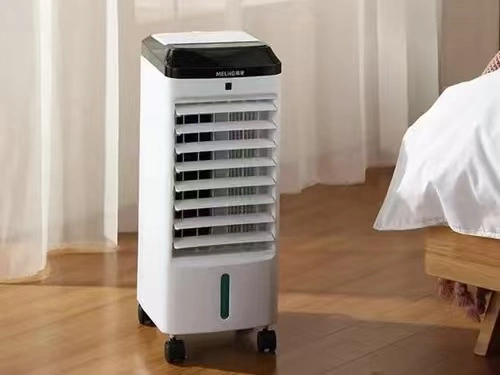
Understanding Low Noise Motor Commutators in Air Conditioner Fans
What Makes These Commutators Different
Noise can be heard coming from standard commutators because of brush chatter, electrical arcing, and tiny vibrations at the segment interface. You can get rid of these issues with a commutator that runs quietly by having tighter size tolerances (TIR) and a surface roughness (Ra) that is less than 0.2μm. This smooth brush-to-segment contact lowers noise emissions during motor operation by a large amount. This is important for home HVAC systems where users care about noise levels.
Material Selection and Its Role in Quiet Operation
How well a commutator works with sound depends on the type of electrical material it is made of. Copper alloys with silver, like Tuy Silver Copper 03 or 08, stay round at high temperatures because the silver raises the copper's melting point. This keeps the geometry from changing shape under heat load, which would make the brush surface uneven, which is a frequent source of high-frequency electrical noise. Reinforced phenolic resin padding between pieces makes them more stable in size without adding extra weight or shaking.
Real-World HVAC Application Examples
Commercial air-conditioning systems operating 24 hours a day, seven days a week place continuous mechanical and electrical demands on the motor and commutator assembly. In these applications, a properly specified low noise motor commutator can help maintain stable brush contact, reduce commutation irregularities, and support quieter fan-motor operation. Precision manufacturing and low-arcing segment geometry can also help control brush wear when the low noise motor commutator is correctly matched to the motor design, brush grade, operating speed, and electrical load. In some applications, improved commutation performance may reduce brush wear and extend the interval between scheduled maintenance, although the actual service-life improvement depends on the complete motor system and operating conditions. For HVAC procurement engineers, selecting a reliable low noise motor commutator can therefore contribute to more predictable maintenance planning and reduce the frequency of component replacement across large equipment fleets. A consistent low noise motor commutator can also help minimize excessive sparking, vibration, and audible commutation noise when appropriate materials, dimensional tolerances, and surface finishes are maintained. By evaluating commutator geometry, brush compatibility, manufacturing precision, and quality-control procedures, procurement teams can select a low noise motor commutator that supports stable operation, controlled maintenance requirements, and a more predictable total cost of ownership for continuously operating HVAC equipment.
Key Benefits and Design Principles of Low Noise Motor Commutators
Noise Reduction Without Sacrificing Efficiency
A quiet commutator is made so that it matches surface accuracy with electrical conductivity. When you precisely trim the mica (usually between 0.5mm and 0.8mm), you stop "high mica" conditions that make the brush bounce and curve. This method cuts down on noise that can be heard without affecting how well current moves. For air conditioning uses in hotels, hospitals, and office buildings, it is necessary for the product to keep the motor power high while keeping the decibel levels low.
Extended Motor Lifespan Through Reduced Wear
If you want to know what makes these parts last longer, here are some of their main performance traits:
- Hardness profile of 80–110 HV: This range promotes a stable, low-friction patina layer to form on the commutator surface, reducing progressive wear at the brush contact point.
- Silver-copper alloy composition: Compared to standard electrolytic copper, silver-bearing alloys offer better thermal resistance and slower surface degradation during extended high-speed rotation.
- Reinforced resin hub: High-performance phenolic molding compounds maintain dimensional accuracy even when motor temperatures reach Class F or H ratings (155°C–180°C).
High-performance phenolic molding compounds keep the hub's dimensions accurate even when motor temperatures reach Class F or H ratings (155°C–180°C).
Lower Maintenance Costs for HVAC Operations
Less wear on parts directly lowers the cost of maintenance labor. When the shape of a commutator stays the same over time, the time between brush replacements gets longer, and motor rewinding, which costs a lot to fix, happens less often. For facility managers and procurement directors who are in charge of large HVAC fleets, this cost savings adds up over hundreds of installed units and shows that choosing higher-quality parts during procurement is worth it.
Comparing Low Noise Motor Commutators With Other Motor Types
Low Noise Commutators vs. Standard Commutators
Standard commutators are often manufactured with dimensional tolerances that are suitable for general-purpose motors but may not provide the consistency required for noise-sensitive applications. For residential air conditioners and other quiet-operation equipment, a low noise motor commutator with tighter segment geometry and a controlled surface finish can help promote smoother brush contact and more stable commutation. The dimensional accuracy of a low noise motor commutator is particularly important because uneven segment geometry can contribute to brush vibration, electrical arcing, and audible commutation noise during motor operation. A refined surface finish can also support smoother brush movement across the segments, helping reduce friction and contact irregularities in a properly matched motor system. Although the unit-cost difference between a standard commutator and a low noise motor commutator may be relatively limited at large production volumes, the performance requirements can be significantly different for noise-sensitive applications. In products such as home air conditioners, where perceived operating noise can influence user satisfaction and product evaluations, selecting a low noise motor commutator can be an important part of the overall motor design. Procurement teams should therefore compare dimensional tolerances, segment geometry, surface roughness, brush compatibility, and quality-control procedures when sourcing a low noise motor commutator. By specifying these requirements in advance, manufacturers can obtain a low noise motor commutator that better supports quiet, stable, and consistent motor performance.
Commutator Motors vs. Brushless Motors
Commutator noise is completely eliminated by brushless motors, which use electronic switching instead of mechanical contact. In this case, they are the best choice. Brushless motors, on the other hand, need more complicated electronic controllers, cost more per unit, and are harder to fix in the field. An accurate commutator motor is still a good choice for most OEM uses for mid-range HVAC equipment where keeping costs low is important, and motor speed doesn't go over 15,000 RPM.
Industrial-Grade vs. Consumer-Grade Commutators
For industrial-grade commutators, stricter quality control measures are used, such as centrifugal spin testing at 1.2–1.5× rated speed, bar-to-bar dielectric testing at 500V–2000V, and laser profilometry verification. These steps are often skipped in consumer-grade versions. Industrial-grade parts are the only choice for Tier 1 and Tier 2 car suppliers, equipment manufacturers, and HVAC OEMs that need to be certified to ISO 9000 or IATF 16949.
Selecting and Procuring Low Noise Motor Commutators for Air Conditioner Fans
Supplier Evaluation Criteria
Three basic things that procurement teams should look for in possible sellers are quality certifications (ISO 9000, IATF 16949, or SGS), proof that they can do OEM/ODM customization, and proof that they can deliver on time. A supplier with 20 years of manufacturing experience and a portfolio of patents is less risky to buy from than a new company with little technical history. QA teams can check specs before production starts with free samples before committing to large orders.
Sourcing Strategy and Lead Time Management
Getting suppliers involved early is necessary to manage wait times for large orders. ANGU can currently make sales of 50,000 pieces in 30 days, which gives people in charge of the supply chain a solid starting point for planning. Shipping options that are flexible, like sea freight, air freight, and fast couriers like DHL, FedEx, and UPS, let logistics teams balance cost and haste based on when things need to be made.
Preventive Maintenance Best Practices
The life of a commutator depends on how it is used and how often it is inspected. The following maintenance plan should be set by the procurement and management teams for air conditioner fan motors:
- Inspect commutator surface finish every 6 months for signs of grooving or discoloration, which indicate abnormal brush contact.
- Verify brush pressure settings match the commutator's rated hardness range to avoid accelerated surface wear.
- Replace brushes before they wear below the minimum length threshold to prevent uneven contact pressure.
By regularly doing these things, you can make parts last longer and keep warranty claims low.
Application Spotlight: Low Noise Motor Commutators in Air Conditioners and Beyond
HVAC Systems: The Primary Application
One of the most common concerns for HVAC service providers is excessive noise from the fan motor, affecting both residential split systems and commercial rooftop units. Addressing noise at the component level with a properly designed low noise motor commutator can be more practical and cost-effective than adding soundproofing measures after the equipment has already been assembled. A low noise motor commutator with controlled segment geometry, accurate dimensions, and an appropriate surface finish can help maintain smoother brush contact and reduce commutation-related noise during operation. When product engineers specify a low noise motor commutator during the motor design stage, they can account for the commutator's geometry, brush compatibility, rotational speed, and electrical load as part of the overall acoustic performance of the finished unit. This design-stage approach allows a low noise motor commutator to be integrated with the motor rather than treated as a corrective component after excessive noise has already been identified. For HVAC applications where user comfort and acoustic performance are important, selecting a properly manufactured low noise motor commutator can help support quieter and more consistent fan-motor operation. By defining commutator requirements before assembly and validating the component against the motor's operating conditions, manufacturers can use a low noise motor commutator as part of a broader strategy for controlling motor noise and maintaining reliable HVAC equipment performance.
Cross-Industry Applications
The performance traits that make HVAC systems useful also help industries with strict requirements for noise or durability. Similar commutator specs are used in CPAP machines and lab centrifuges, where acoustic interference can make patients less comfortable and make it harder to diagnose problems correctly. Manufacturers of electric vehicles use quiet commutator technology in window regulators, HVAC blowers, and seat actuators, all of which affect how quiet the cabin is and how good the vehicle is seen to be.
Why Cross-Industry Experience Matters in Procurement
Suppliers who make commutators for more than one industry have technical knowledge that manufacturers who only make commutators for one field don't have. They learn how to make things better by working with medical-grade precise specs, car vibration standards, and industrial thermal rates. These experiences help them make better products overall. This depth across sectors is a useful buying benefit when looking for parts for tough HVAC uses.
Conclusion
The quality of the commutator has a significant impact on the performance and acoustic characteristics of an air-conditioner fan motor. Every design factor, from the conductive material and segment geometry to the surface finish and quality-control procedures, can influence how efficiently and quietly a low noise motor commutator operates throughout its service life. A properly specified low noise motor commutator should provide accurate segment dimensions, consistent electrical conductivity, suitable surface roughness, and reliable brush contact to support stable commutation and controlled operating noise. When procurement teams source precision-grade components from certified and experienced manufacturers, they can establish more consistent quality requirements for a low noise motor commutator while helping reduce the risks associated with premature wear, unstable commutation, and unexpected field failures. ANGU's 24-segment commutators are manufactured with these considerations in mind, supported by approximately 20 years of production experience and an established quality-management system designed for consistent industrial-scale production. For HVAC applications requiring stable acoustic performance, a low noise motor commutator can be evaluated according to segment count, dimensional tolerances, material selection, surface finish, and brush compatibility. By integrating these technical requirements into the sourcing process, manufacturers can select a low noise motor commutator that supports reliable motor performance, controlled operating noise, and more predictable long-term maintenance requirements.
FAQ
How much noise reduction can I expect from switching to a precision commutator?
Different uses call for different levels of noise reduction, but research into motor acoustics has shown that better surface finish and tighter TIR tolerances (under 0.005mm) can cut brush contact noise by 5–15 dB compared to standard commutators. This is a noticeable difference in crowded areas.
Is this commutator compatible with different air conditioner fan motor types?
Yes. With an outer diameter of 28.5 mm, an inner diameter of 12 mm, and a height of 20 mm, the 24-segment design fits a lot of different standard fan motor setups. You can also get custom sizes that match OEM plans.
What is the typical lead time for a custom order?
50,000 pieces can be made in 30 days using standard production capacity. Depending on how complicated the specifications are, custom orders may need more lead time. Set up a time to meet with us early on in the sourcing process.
What certifications does this product carry?
The commutator has SGS approval and was made according to ISO 9000 quality control standards. For automotive-grade applications, IATF 16949 compliance is possible.
Can I request a free sample before placing a bulk order?
Yes, you can get free samples to try out before placing an order for the whole thing.
Request a Quote From ANGU — Your Trusted Low Noise Motor Commutator Supplier
ANGU has been making things for 20 years, has 3 idea patents and 6 utility model patents, and can ship to places around the world in 30 days. Our 24 segment, 28.5mm OD, silver-copper air conditioner fan motor commutators are made to meet ISO 9000 and SGS standards. There is a 1-year guarantee, and OEM/ODM customization is available. To get a sample or bulk quote, email us at chenrf@angu.com or go to angu-group.com right now.
References
1. IEEE Transactions on Industry Applications — "Brush and Commutator Noise Mechanisms in DC Motors," 2019.
2. ASHRAE Journal — "Fan Motor Reliability and Acoustic Performance in HVAC Equipment," 2021.
3. Journal of Sound and Vibration — "Surface Roughness Effects on Electromagnetic Noise in Brush-Type DC Motors," 2018.
4. SAE International Technical Papers — "Commutator Material Selection for Automotive Low-Noise Motor Applications," 2020.
5. IEC 60034-14 Standard — "Rotating Electrical Machines: Mechanical Vibration and Noise Limits," International Electrotechnical Commission, 2022.
6. Quality Progress (ASQ) — "ISO 9001 and IATF 16949 Quality Management in Precision Component Manufacturing," 2023.
YOU MAY LIKE