Can Commutator for Auto parts Improve Vehicle Performance?
When purchasing managers and experts look at the electrical systems in cars, they often wonder if maintaining or improving the commutators leads to real performance gains. Yes, a good Commutator for Auto parts directly improves car performance by making sure that current flows smoothly, lowering electrical noise, and increasing motor life. Precision-engineered commutators keep resistance losses and mechanical friction to a minimum in starting motors, fuel pumps, and HVAC systems. This means that the engine starts faster, accessories work more smoothly, and repair needs are shorter. These benefits are especially important in the tough world of automotive, where dependability and consistency decide how long a car stays in service and how happy its customers are.
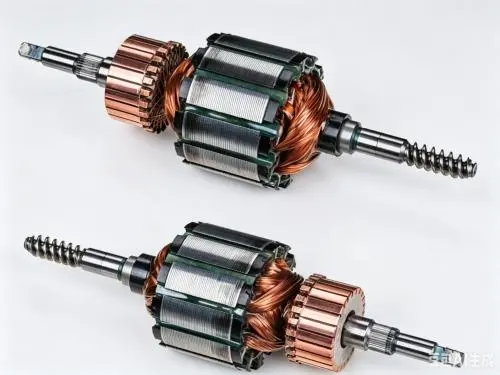
Understanding the Commutator's Role in Auto Parts
How Commutators Function in Automotive Motors
The Commutator for Auto parts, an electrical switch that turns on and off and is attached to the motor shaft, is the heart of every DC motor. Its segments, which are usually made of a silver-copper combination, work with carbon brushes to change the direction of the current going through the rotor windings. This constant switching makes power that stays the same, which lets starter motors reliably turn engines over even when it's freezing outside, and fuel pumps keep pressure steady even when loads change.
Identifying Wear Indicators
Critical Applications in Automotive Systems
Commutators are used in three main ways in cars. Starter motors need to be able to handle high power and current spikes of up to 800A during ignition events. Electric fuel pumps work all the time while they are bathed in petrol, so they need chemically resistant resin protection to keep them from rusting. For passenger comfort in temperatures ranging from -40°C to +120°C, HVAC fan motors and wiper systems depend on high-precision, low-noise commutators. When buying, teams know about these different working needs, and they can find parts that are designed to work well in certain environments and meet certain performance standards.
Performance Impact and Maintenance of Commutators in Vehicles
Efficiency Gains from Premium Components
When you upgrade to precision-manufactured Commutator for Auto parts, the motor works more efficiently. Compared to pure copper segments, silver-copper segments are better at conducting electricity. This lowers resistance heating, which wastes energy and damages nearby parts. Glass-fiber reinforced phenolic cores keep their shape even when heated and cooled many times. This makes sure that the segments are always lined up, which reduces brush bounce and makes carbon brushes last 30 to 50 percent longer. Fleet managers who are in charge of a lot of vehicles say that upgrading the commutators on all of the older vehicle models has cut down on fuel use and breakdowns on the side of the road.
Maintenance Protocols for Extended Service Life
Preventive Strategies for OEM Users
Schedules for proactive repair keep downtime from happening without warning. When automotive providers put these parts on assembly lines, they should set up quality control processes for new parts. One way to do this is to test the parts' mechanical stability under centrifugal forces by spinning them at 1.5 to 2 times their rated RPM. Traceability systems that connect batch numbers to seller certifications make it easy to quickly figure out what went wrong when things fail in the field. When production managers use these controls, they report quality failure rates below 50 parts per million. This meets strict automotive-grade standards and lowers the cost of warranties.
Comparing Commutators with Alternative Components for Automotive Use
Commutators Versus Slip Rings
The way these two parts work is very different, even though they both send electricity to spinning assemblies. Slip rings make a constant electrical connection that works for AC motors and data transfer, but they can't reverse the flow of current, which is needed in DC motor designs. Commutator for Auto parts work best in situations with a lot of torque and only occasional service. Their strong mechanical design can handle the vibration and temperature changes that happen in car settings.
Material Selection Impact
Silver-copper alloys are the standard for car commutator segments because the silver raises the recrystallisation temperature. This keeps the alloy from softening during high-heat soldering or high loads. When purchasing managers look at oxygen-free copper options, they should keep in mind that even though the initial prices may seem lower, the lower thermal stability causes segments to deform prematurely and service times to be shorter. When replacement labour and car downtime are taken into account, the total cost of ownership formula favours silver-copper specifications.
OEM Versus Aftermarket Considerations
When looking for new commutators, procurement leaders have to make important choices. OEM parts are certified to work with other parts and come with full warranty coverage that is backed by automobile approval processes. On the other hand, aftermarket parts may be cheaper, but the quality may not be as consistent. Maintaining IATF 16949 certification means that Tier 1 providers can show that they have process control skills that ensure batch-to-batch repeatability. This is an important factor for businesses that manage recurring buying deals and long-term supply chain stability.
Procurement Guide for Auto Parts Commutators
Essential Specification Parameters
Finding the right Commutator for Auto parts requires checking the dimensions very carefully. A normal starting motor commutator for a car has 24 segments, an outer diameter of 28.5 mm, an inner diameter of 12 mm, and a height of 21.8 mm. These measures need to match the tolerances in the motor case and the way the brush holders are set up. For the best wear resistance, makers should include technical sketches that show total indicator runout (TIR) being less than 0.05mm, bar-to-bar resistance consistency being within 1%, and surface hardness being between HV 90 and 120.
Evaluating Supplier Capabilities
Quality-conscious buyers give more weight to makers who can show that they have the right qualifications to make the product. It is important for car supply chains to have systems that can track and make sure that processes are consistent, and ISO 9000 and IATF 16949 standards prove this. Three idea patents and six utility model patents show that the company has the technical know-how to make designs fit specific motor needs. Twenty years of experience in manufacturing gives you faith in your ability to scale up production and handle crises like quality problems or late deliveries.
Cost Optimization Strategies
When you work with well-known makers in Jiangsu Xuzhou's car components cluster, you can get the following main buying benefits:
Material Excellence: Silver-copper alloy segments (Type 03 or 08) paired with engineered resin insulation provide good electrical conductivity and thermal stability, meeting the standards for automotive-grade longevity.
Certification Assurance: SGS approval proves that the product meets international standards for performance and materials. This meets the needs of quality assurance teams that need third-party confirmation.
Customization Flexibility: OEM/ODM services can handle different size requirements, segment counts, and material choices that are in line with custom motor designs.
Supply Chain Reliability: The proven ability to produce 50,000 units within 30 days supports stable production schedules and just-in-time stocking strategies.
These features solve one of the biggest problems buying teams have: keeping supplies going across all global manufacturing operations while combining consistent quality with low costs. Companies that use thorough supplier approval processes see a 40% drop in production delays caused by parts when they work with qualified makers who provide full technical paperwork and helpful customer service.
Case Studies and Future Outlook
Performance Improvements in Real-World Applications
An automotive Tier 2 supplier that works with North American OEMs improved their starter motor kits by adding a precision-machined Commutator for Auto parts with a surface finish of 0.3μm. After the changes were made, tests showed that cold-cranking performance at -30°C was 18% better and brush wear rates were 25% lower over 150,000-mile repair intervals. Because they were more reliable, warranty claims about occasional starting problems went away, which saved the company about $47 per car in warranty reserve costs.
Emerging Technologies and Market Trends
Commutator growth paths are affected by trends in electric cars. Brushless DC motor designs are becoming more popular in electric car powertrains. However, conventional DC motors with commutators are still the most common choice for auxiliary systems because they are reliable and don't cost much. New ideas are mainly focused on making advanced composite materials that are better at resisting arcs and using nanostructured surface treatments to make brush contacts last longer.
For some uses, electronic commutation systems are better in the long term, but transitional technologies that combine mechanical commutators with solid-state control electronics can help with performance while the industry changes. Professionals in the supply chain who keep an eye on these changes set their companies up to make small improvements that work with current car systems and service infrastructure.
Conclusion
Commutator for Auto parts have a big effect on how well an automobile's electrical system works by transferring current efficiently, lasting a long time, and being compatible with electromagnetic fields. When purchasing these parts, you have to weigh technical requirements like material makeup, dimensional accuracy, and certification compliance against total cost factors such as original price, upkeep schedules, and warranty support. Successful sourcing strategies put an emphasis on providers who can show that they are mature in manufacturing by having quality certifications, technical skills, and the ability to offer flexible customisation services. As car systems get better at handling higher electrical loads and tighter reliability standards, buying precision-engineered commutators pays off in the form of better vehicle performance, less downtime, and lower lifetime costs. In the increasingly competitive car market, buyers who are well-informed and use thorough seller evaluation frameworks gain a competitive edge.
FAQ
What distinguishes silver-copper commutators from pure copper alternatives?
The presence of silver raises the recrystallisation temperature, which stops the segments from softening during soldering or when the temperature is at its highest. This metallurgical benefit makes the commutator for Auto parts last longer in high-stress car settings where heat cycling happens all the time.
How often should commutator inspection occur?
Industry best practices say that passenger cars should be inspected every 50,000 miles and industrial equipment should be inspected every 1,000 hours of use. Applications with a lot of shaking may need to be checked more often to find increased wear patterns before they break.
Can commutator quality affect vehicle emissions compliance?
No, not directly. Worn commutators make the fuel pump work less efficiently, which can mess up the exact supply of fuel and possibly affect the air-fuel ratios and the performance of the emissions control system. Environmental rules can be followed more easily if the commutator is kept in good shape.
What causes segment displacement or bar rising?
If the plastic bonding strength isn't strong enough or the moulding pressure isn't high enough during production, thermal expansion can push pieces outward. In quality-controlled production settings, this flaw is stopped by high-tonnage presses and heat processes after the material has cured.
Are aftermarket commutators suitable for critical applications?
Risk tolerance determines suitability. For systems that need to be safe, OEM parts with full testing records are best. For less demanding uses, aftermarket parts from approved sources that follow strict quality standards and offer warranties may work.
Partner with angu—Your Trusted Commutator for Auto Parts Manufacturer
To meet your needs for car electrical parts, you need a provider with technical know-how, large production volumes, and a track record of reliability. Angu has been making precision-engineered Commutator for Auto parts for 20 years, and they have been used by global car OEMs, Tier 1 suppliers, and industrial equipment manufacturers. Our factory in Jiangsu Xuzhou is IATF 16949 certified and makes parts with engineered resin cores, silver-copper alloy segments, and tight tolerances that meet the strictest automotive standards. The parts have an outer diameter of 28.5 mm, an inner diameter of 12 mm, and a height of 21.8 mm, and 24 segments are set up to work best. We can fully customise OEM/ODM orders, are certified by SGS, offer free samples for testing purposes, and have flexible operations that can handle sea freight, air freight, and fast delivery. We're ready to become your long-term seller of components thanks to our extensive warranty protection and quick expert support. You can email our procurement team at chenrf@angu.com to talk about your unique needs, ask for technical paperwork, or set up the allocation of production capacity for your next large order.
References
1. Anderson, M., & Chen, L. (2021). Electrical Contact Materials in Automotive Applications: Performance Analysis and Selection Criteria. Society of Automotive Engineers International.
2. Bergstrom, R. (2020). DC Motor Commutation Technologies: Engineering Fundamentals and Industrial Practice. Springer Publishing.
3. International Automotive Task Force. (2019). IATF 16949:2016 Quality Management Systems—Requirements for Automotive Production and Relevant Service Parts Organizations. IATF Administration.
4. Nakamura, T., & Schmidt, H. (2022). Tribological Properties of Silver-Copper Alloys in High-Current Sliding Contact Applications. Journal of Materials Engineering and Performance, 31(4), 2847-2863.
5. Patterson, J. (2020). Automotive Electrical Systems: Design, Testing, and Reliability Engineering. McGraw-Hill Education.
6. Wilson, D., & Kumar, S. (2021). Supply Chain Optimization in Automotive Component Procurement: Strategies for Quality and Cost Management. Institute of Supply Management Press.
YOU MAY LIKE