Commutators Used in Electric Recliner and Seat Adjustment Motors
Commutators used in electric recliner and seat adjustment motors are precision-engineered rotary electrical switch components that control current direction within DC motor armatures. These parts directly determine how smoothly a seat moves, how quietly it operates, and how long the motor lasts. Much like a DC Motor Commutator USD for Car Wiper, which must handle repeated start-stop cycles in demanding automotive conditions, seat motor commutators face their own set of thermal, mechanical, and electrical challenges. Understanding their function helps procurement teams and engineers make confident sourcing decisions.
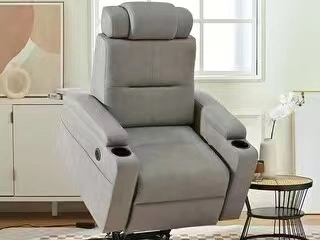
Understanding the Role and Function of Commutators in Electric Recliner and Seat Adjustment Motors
How a Commutator Works Inside a Seat Motor
A commutator is like an electronic switch that turns. As the armature spins, copper segments touch carbon brushes, which keep changing the direction of the current so the motor can keep turning. In motors that change seats, this switching has to happen with almost no pause so that drivers and guests can expect smooth, small movements. Even small flaws on the commutator segments' surfaces can cause them to vibrate or move in an odd way.
Seat Motors vs. Wiper Motors: Key Differences
It is common for seat adjustment motors to work at lower RPM but higher continuous power loads than wiper motors. A DC Motor Commutator USD for a Car Wiper can handle short, repeated cycles over a wide temperature range. On the other hand, seat motor commutators have to be able to handle long periods of loading while in a position hold. In the design of a seat motor commutator, this makes material strength and heat reduction very important.
Why Commutator Precision Matters for Comfort
Most of the time, seat motor commutators have surface planarity limits of less than 0.005 mm. To keep torque from changing, the difference in resistance from bar to bar must stay below 1%. These specs directly affect whether adjusting the seat feels smooth or jerky, which is a big part of how people feel about the quality of the vehicle and how happy they are with it.
Common Challenges and Maintenance Tips for Commutators in Electric Recliner and Seat Adjustment Motors
Wear, Sparking, and Noise
Commutator surfaces can gradually wear due to dust accumulation, cabin humidity, repeated load cycles, and continuous motor operation. For applications using a DC Motor Commutator USD for Car Wiper, proper surface condition and segment uniformity are important for maintaining stable electrical contact between the brushes and commutator. Surface oxidation or contamination can increase sparking and electrical noise, potentially contributing to electromagnetic interference that affects nearby vehicle electronics. In addition, an uneven commutator surface can increase brush bounce and mechanical noise, which may be noticeable in automotive wiper systems and other compact DC motor applications. A properly manufactured DC Motor Commutator USD for Car Wiper can help maintain consistent segment geometry and contact performance throughout repeated operating cycles. When selecting a DC Motor Commutator USD for Car Wiper, buyers should evaluate segment accuracy, surface finish, material quality, and wear resistance to reduce the risk of premature degradation. Consistent manufacturing quality in a DC Motor Commutator USD for Car Wiper can therefore contribute to smoother motor operation, lower sparking, and more reliable long-term performance.
Practical Maintenance Protocols
Commutators need to be checked and fixed regularly to make sure they work well. These are the most important steps for maintenance:
- Regular surface inspection: Check for uneven wear patterns, scoring, or discoloration at least every 50,000 operating cycles or during scheduled vehicle service intervals.
- Brush replacement before failure: Carbon brushes should be replaced when worn to 40% of original length to prevent metal-on-copper contact damage on the commutator surface.
- Light lubrication of bearing assemblies: Avoid lubricant contact with the commutator surface itself; only surrounding bearings require lubrication to reduce friction-induced heat.
These steps can make motors last a lot longer and cut down on unplanned downtime in both production and field settings.
Diagnosing Deterioration Early
A visual inspection is not enough to make an accurate diagnosis. By using a digital multimeter to measure bar-to-bar resistance, electrical imbalances can be found before they cause the motor to stop working. Keeping an ear on the machine while it's running can also help find strange brush frequencies, which are a sign of problems with segment wear or mica undercutting.
How to Choose the Right Commutator for Electric Recliner and Seat Adjustment Motors
Material Selection: Copper Alloys vs. Carbon Composites
Copper that is electrolytic is a good conductor, but silver-copper (AgCu) and zirconium-copper (ZrCu) alloys have higher melting points, usually above 400°C, which makes them better for long-term use. Carbon composite commutators work well in low-current situations, but they might not be strong enough for high-torque seat motors.
Balancing Noise, Heat, and Efficiency
A common B2B purchasing concern is the operating noise of seat motors, particularly when brush bounce creates an audible whine during repeated load cycles. For a DC Motor Commutator USD for Car Wiper, tighter and more uniform spacing between commutator bars can help reduce brush bounce and support smoother electrical contact. Optimized segment geometry and a controlled surface roughness below 0.8 μm can also improve heat dissipation and help maintain stable operating temperatures. A high-quality DC Motor Commutator USD for Car Wiper with consistent segment dimensions and surface finish can therefore contribute to longer brush life and more stable motor performance. When evaluating a DC Motor Commutator USD for Car Wiper, procurement teams should consider bar spacing, segment geometry, surface roughness, thermal performance, and wear resistance together. These characteristics directly affect the operating stability, noise level, service life, and overall reliability of the motor assembly. Selecting a properly manufactured DC Motor Commutator USD for Car Wiper can help manufacturers maintain consistent motor performance across repeated operating cycles.
Matching Specifications to Motor Requirements
The motor's maximum speed (RPM), working voltage, and peak torque should all match up with the commutator specs. A dielectric strength of 500V to 1500V AC and a surface hardness of 80 to 125 HB are usually enough for most motors used to change car seats. Mismatched specifications are the main reason why commutators fail early in field applications.
Procurement Guide: Where and How to Source High-Quality Commutators for Electric Recliners and Seat Adjustment Motors
Verifying Supplier Certifications
The first thing that you should look for in a commutator provider is certification. When a company gets ISO 9000 and IATF 16949 approval, it means that they follow documented quality management methods that can be tracked across production batches. Before closing a relationship with a provider, asking for audit reports and sample inspection data greatly lowers the quality risk further down the line.
Bulk Purchasing Considerations
When you buy in bulk, you need to be clear about the minimum order amounts, wait times, and price levels. When suppliers have stable 30-day production cycles, procurement managers can plan their inventory without having to keep too much on hand as a safety stock. Supply chain teams can be quick to respond when they have a choice of transportation options, such as sea freight for big orders and air or fast shipping (DHL, FedEx, UPS) for quick restocking.
Customization and After-Sales Support
When a motor design doesn't fit standard commutator sizes, OEM and ODM manufacturing options are important. Product development teams have a clear edge when suppliers can make commutators based on models provided by customers. Before making bulk orders, you should make sure you understand the after-sales terms, such as guarantee coverage and replacement procedures for quality issues. A one-year warranty with clear replacement instructions shows that the supplier is sure of the quality of their work.
Future Trends and Performance Optimization of Commutators in Seat Adjustment and Automotive Motors
Advanced Materials Reducing Wear and Noise
Copper-based materials with strong wear resistance and surface treatments such as silver plating are becoming increasingly relevant for seat motor applications that require stable performance over extended operating cycles. A properly engineered DC Motor Commutator USD for Car Wiper can use suitable copper materials to improve segment durability under high-cycle operating conditions. For manufacturers evaluating a DC Motor Commutator USD for Car Wiper, material selection is particularly important because repeated brush contact can gradually wear the commutator surface and affect electrical stability. Silver-plated or otherwise optimized contact surfaces may also help reduce friction-related noise, which is becoming more noticeable as vehicle interiors become quieter. By combining appropriate copper materials with a carefully designed surface finish, DC Motor Commutator USD for Car Wiper can support smoother brush contact and longer service life. Procurement teams selecting a DC Motor Commutator USD for Car Wiper should therefore consider copper grade, surface treatment, wear resistance, electrical conductivity, and high-cycle durability to ensure reliable motor performance.
Hybrid and Brushless Motor Integration
For many seat movement tasks, especially in high-end cars, the auto industry is going toward brushless DC (BLDC) motors. But for mid-range and industrial uses, brush-type motors with accurate commutators are still a good deal. There is still a need for commutator engineering in hybrid motor architectures, which combine the efficiency of brushed motors with electronic control.
Growing Demand and Regulatory Drivers
The global market for electric seat adjustment motors is growing along with the move toward electric vehicles and stricter guidelines for noise, vibration, and harshness (NVH) inside vehicles. To meet RoHS environmental requirements and IATF 16949 process controls, auto OEMs are asking for stricter commutator standards. If suppliers stay on top of these needs, they will become preferred long-term partners.
Conclusion
Commutators are small but critical components that can significantly affect the performance of electric recliners, seat adjustment motors, cabin comfort, and overall product service life. For a DC Motor Commutator USD for Car Wiper, selecting the appropriate copper material, maintaining accurate surface tolerances, and working with qualified suppliers are essential for achieving stable electrical contact and reliable motor operation. When evaluating a DC Motor Commutator USD for Car Wiper, manufacturers should consider segment geometry, surface finish, dimensional consistency, wear resistance, and electrical conductivity. As automotive quality requirements become more demanding and vehicle interiors become quieter, precision manufacturing of DC Motor Commutator USD for Car Wiper can play a greater role in controlling noise, sparking, and long-term performance. Procurement teams sourcing a DC Motor Commutator USD for Car Wiper should also verify relevant certifications, technical capabilities, quality-control procedures, and delivery reliability before approving a supplier. By combining consistent manufacturing standards with dependable supply-chain support, a properly engineered DC Motor Commutator USD for Car Wiper can contribute to more reliable motor assemblies and consistent performance across high-cycle automotive applications.
FAQ
How do I know if the commutator in an electric recliner motor is worn?
Check the copper pieces for grooves, staining, or uneven wear on the surface. Electrically, a difference in resistance from bar to bar that is greater than 5% usually means that a section is getting worse. Some acoustic signs are more motor noise or a seat that moves at different speeds all the time.
Are brushless motors replacing commutator-based motors in seat adjustment systems?
Because they need less upkeep, brushless motors are becoming more popular in high-end vehicles. Commutator-based DC motors, on the other hand, are still widely used in mid-range cars and industrial seating because they are cheaper to make and have easier control systems.
What factors affect lead times for custom commutator orders?
Order volume, segment count, material grade, and tooling needs all affect lead time. Most standard tailored orders take 20 to 30 days. Making tools for a new plan for the first time could add 5–10 days. The development phase can be shortened by suppliers who have their own patent-backed engineering teams.
Can commutators handle the thermal demands of continuous seat adjustment cycles?
Yes, commutators stay stable from -40°C to +120°C, which is the normal temperature range for cars, as long as they are made from ZrCu or AgCu metals and have the right heat dissipation design.
What certifications should I require from a commutator supplier?
At least ISO 9000 and IATF 16949 certification should be needed. Ask for proof that the product meets RoHS requirements and records of dielectric tests for uses involving EMI-sensitive car systems.
Partner with Angu for Precision Commutators — Request a Quote Today
With ISO 9000 and IATF 16949 certification, 3 invention patents, and 6 utility model patents, Angu has been making commutators for 20 years and knows how to make them well. Whether you need a unique seat adjustment motor commutator or a DC Motor Commutator USD for a car wiper, we can help. We offer OEM/ODM services with 30-day delivery and flexible shipping around the world. You can email our team at chenrf@angu.com or go to angu-group.com to get a quote or download our product list.
References
1. IEEE Transactions on Industry Applications — 2021
2. SAE International Journal of Vehicle Dynamics, Stability, and NVH — 2020
3. Automotive Engineering International — 2022
4. Journal of Electrical Engineering & Technology — 2019
5. IATF 16949:2016 — Quality Management System Requirements for Automotive Production and Relevant Service Part Organizations — IATF, 2016
6. Materials Science and Engineering: A — Copper Alloy Performance in High-Cycle Electromechanical Applications — 2023
YOU MAY LIKE