Key Considerations When Purchasing Commutators for Washing Equipment Motors
Choosing the right commutator for washing equipment motors is a decision that directly affects motor lifespan, energy efficiency, and operational reliability. A commutator for motor parts acts as the mechanical-electrical interface that reverses current direction inside a DC or universal motor, keeping torque consistent through each wash cycle. Washing environments introduce humidity, vibration, and thermal stress that most standard components were never designed to handle. Getting this selection wrong leads to premature brush wear, arcing damage, and unplanned downtime. This guide walks through every consideration that matters.
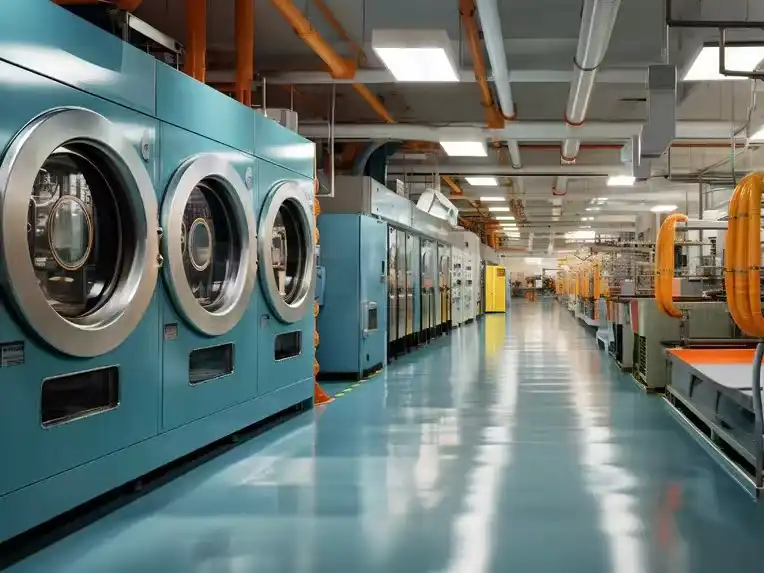
Understanding Commutators and Their Role in Washing Equipment Motors
How Commutators Enable Motor Operation
A commutator changes the polarity of direct current every so often as it flows through rotating copper segments to a stationary brush assembly. This reversal keeps the movement going. In washing machines, motors regularly switch between agitation and spin cycles. This means that the commutator has to deal with changes in load a lot more often than motors that only do steady work.
Common Types and Their Suitability
Segmented commutators, which are made up of separate copper bars insulated with mica, are the standard for washing motors because they effectively get rid of heat and allow precise undercutting of the mica. Smaller motors with less load work best with solid commutators. Because they are quieter and produce less electromagnetic interference (EMI), carbon brush interfaces are better in places where noise limits apply.
Failure Modes and Early Warning Signs
Blackened parts show that there is too much arcing because the brush grade isn't met or the contact resistance is too high. When the bar lifts quickly, it means that the molding material isn't drying properly. A commutator that is healthy has a regular patina that looks dark brown. It is not black or bare copper. Finding these signs early keeps the motor from breaking down completely and saves you money on replacement costs.
Material Selection: Trade-offs That Matter
Electrolytic Tough Pitch (ETP) copper offers a cost-effective material option with high electrical conductivity, making it suitable for many commutator for motor parts applications. Silver-copper (AgCu) materials can provide improved thermal stability and help maintain section hardness at elevated operating temperatures. For manufacturers selecting commutator for motor parts, AgCu can be considered when motors are exposed to repeated thermal cycling or demanding operating conditions. In suitable applications, AgCu can help maintain stable contact performance at temperatures of up to 200°C and support consistent brush-to-commutator contact. This material can be particularly useful for commutator for motor parts used in laundry machines operating in damp environments, where oxidation and contact-film stability are important considerations. Although AgCu may involve a modest additional material cost, its potential benefits in thermal stability, oxidation resistance, and long-term contact performance can make it a practical option for commutator for motor parts in high-cycle motor applications. Procurement teams should evaluate conductivity, hardness, thermal performance, environmental resistance, and total service-life requirements when selecting commutator for motor parts for specific motor designs.
Criteria for Choosing the Right Commutator for Washing Equipment Motors
When procurement workers work with industrial cleaning equipment, they have to deal with a certain set of conditions, such as water, detergent vapor, mechanical vibrations, and repeated temperature changes. A simple decision based on price doesn't take these things into account and ends up costing a lot more than it saves.
Load Capacity and DC Motor Compatibility
Compare the datasheet for the motor to the commutator's rated current and voltage. Universal motor designs allow washing motors to work with voltages between 120V and 240V AC. Make sure that the seller of the parts offers bar-to-bar resistance testing with micro-ohm meters, since changes in the purity of the copper have a direct effect on the stability of the torque.
Environmental Resistance Requirements
Give an insulation resistance greater than 100 M© at 500V DC. Make sure that the Hi-pot test grade can handle at least 1,500V for one minute without breaking. The roughness of the surface should stay below Ra < 0.8 μm to lower friction and keep brushes from wearing out too quickly, especially in places where detergent particles can act as abrasives.
Supplier Certification and OEM Authenticity
Give ISO 9000 or IATF 16949 approval to providers first. Bar-to-bar uniformity, dimensional traceability, and process stability are all controlled by these standards. All of these things are important when buying production batches that will be made again and again. OEM-certified parts also come with warranties that protect your budget for purchases against problems caused by poor quality.
Maintenance and Testing: Ensuring Longevity and Reliability
Proper maintenance can significantly extend the service life of commutator for motor parts and help maintain stable motor performance. Regular inspection of commutator for motor parts can identify signs of wear, contamination, or abnormal contact before they develop into more serious motor faults. IEEE Standard 43-2013 provides guidance on insulation-resistance testing for electrical machinery, and appropriate condition monitoring can help maintenance teams identify insulation deterioration at an early stage. For washing machines, frequent exposure to moisture, humidity, vibration, and repeated operating cycles can accelerate component wear, making condition-based maintenance particularly important. When commutator for motor parts are used in demanding laundry applications, manufacturers should establish inspection and replacement intervals based on actual operating conditions rather than relying solely on generic schedules. Routine cleaning, brush inspection, electrical testing, and dimensional checks can help keep commutator for motor parts in reliable working condition. By combining preventive maintenance with timely replacement of worn components, service teams can improve the durability and operational reliability of commutator for motor parts while reducing unexpected motor downtime.
Visual Inspection Protocols
Check the segments for spots, discoloration, or wear patterns that aren't even. Check the depth of the mica undercutting. If it's too thin, conductive carbon dust can connect segments and cause shorts between bars; if it's too deep, the brush will bounce and spark. It is usually fine for washing motors to have a depth of between 0.5 mm and 1 mm.
Electrical and Mechanical Diagnostic Tools
Check the surface finish with a profilometer and the roundness with a Total Indicator Reading (TIR) gage. Bar-to-bar resistance testing finds differences in copper quality that you can't see with the naked eye. Before installation, a spin test at 1.2 to 1.5 times the maximum speed makes sure that no section lifts because of centrifugal force.
When to Repair vs. Replace
A commutator stone works well to clean up light cutting and minor surface rust. If there is segment lifting, deep pitting, or insulation resistance less than 1 M³ at 500V DC, it means that the part needs to be replaced. Running a broken commutator hurts the brush holds and armature windings, which makes the fix costs go up.
Navigating the Procurement Process: Where and How to Buy Commutators
When making strategic sourcing choices for motor parts for washing machines, you have to weigh technical needs, wait times, and the total cost of landing. Buying from a company that offers direct engineering support speeds up the specification process and lowers the chance of getting parts that don't meet specifications.
Here are the most important things that procurement managers should look at when sourcing:
- Certification documentation: Request ISO 9000 or IATF 16949 certificates with current validity dates. Unverified suppliers create audit exposure for your quality system.
- OEM and ODM capability: Custom commutators manufactured to your drawings protect proprietary motor designs and ensure dimensional consistency across production batches.
- Delivery lead time: A supplier operating a stable 30-day production cycle reduces inventory carrying costs without risking line stoppages.
- Logistics flexibility: Suppliers supporting sea freight, air freight, and international express (DHL, FedEx, UPS) adapt to both bulk orders and urgent replenishment needs.
- Warranty coverage: A 1-year warranty with documented replacement procedures provides measurable risk protection for procurement and operations teams.
All of these things work together to keep your supply chain going and protect the quality of your product. If a seller hits all five boxes, the total cost of procurement goes down by a lot, not just the unit price.
Commutator vs. Alternatives: Making an Informed Decision
Commutators vs. Slip Rings
Slip rings are well suited to AC wound-rotor motors because they transfer electrical current continuously without reversing its direction. In contrast, universal motors commonly used in washing machines require current reversal to maintain torque in the desired direction, making commutator for motor parts essential to the motor's operating principle. A properly designed commutator for motor parts mechanically switches the current between the armature windings as the rotor turns, helping maintain continuous torque and stable motor operation. This function distinguishes commutator for motor parts from slip rings, which are designed primarily for continuous electrical transfer rather than commutation. For washing-machine motor applications, selecting reliable commutator for motor parts with accurate segment geometry, stable electrical conductivity, and appropriate wear resistance is therefore important for long-term performance. Because slip rings do not provide the same current-switching function, they cannot simply replace commutator for motor parts in motor designs that depend on mechanical commutation.
Commutators vs. Brushless Motors
Brushless DC motors don't have any mechanical wear at the electrical interface, but they need more complicated wiring and electronic speed controllers. For companies that make OEM washing machines, going brushless costs more and takes longer to create. Commutator-based motors are still the standard for mid-range commercial washing machines because they work well, don't cost much, and can be fixed on the job site.
Life-Cycle Cost Comparison
A well-designed commutator with AgCu segments, the right amount of mica undercutting, and a hardness of 80 to 120 HV can be used for 3,000 to 5,000 hours in washing applications before it needs to be serviced. Because they have a good track record and cost less, commutators are usually the best choice when buying something.
Conclusion
When selecting commutator for motor parts for washing machine motors, buyers should pay close attention to material grade, dimensional accuracy, environmental resistance, and supplier reliability. The long-term performance of commutator for motor parts can be influenced by factors such as mica undercut depth, copper-alloy composition, insulation performance, and the accuracy of segment geometry. For manufacturers sourcing commutator for motor parts, these technical specifications should be verified against the requirements of the motor design rather than evaluated on purchase price alone. Properly specified commutator for motor parts can help maintain stable brush contact, reduce premature wear, and support reliable operation under repeated washing-machine cycles. Choosing commutator for motor parts based on documented technical data can also help reduce total operating costs by minimizing unexpected maintenance, replacement, and production downtime. Whether the requirement involves production-line assembly or replacement components for finished products, working with an experienced and qualified supplier of commutator for motor parts can provide more consistent quality, dependable delivery, and longer service life.
FAQ
What are the signs that a commutator needs replacement?
If you can see segment cracking, bar rising, blackened copper surfaces, and insulation resistance below 1 M³ at 500V DC, it's time to replace it. Too many sparks while the motor is running is another clear sign.
Which material works best in humid washing environments?
In humid conditions, silver-copper (AgCu) alloys work better than regular ETP copper because silver raises the melting point and stops oxidation. This keeps the brush contact film stable and makes it possible to go longer between servicing.
Can I order custom commutators for non-standard washing motor designs?
Yes. Commutators can be made by companies that offer OEM/ODM services based on the drawings and specifications you give them. Before sending out custom orders, make sure the supplier does dimensional metrology, spin testing, and Hi-pot testing.
How does mica undercutting depth affect motor reliability?
When mica sits too high, brushes bounce and arc. Mica that is cut too deeply gathers carbon dust that connects pieces and leads to electrical shorts. Keeping the depth between 0.5 mm and 1 mm stops both types of failure.
What certifications should I require from a commutator supplier?
ISO 9000 talks about general accuracy in production. IATF 16949 covers the precise needs of the car industry. For device uses, make sure that the UL approval meets the requirements of your market.
Partner with Angu for Your Commutator for Motor Parts Needs
Angu has been making precise motor parts for 20 years and brings that experience to every order. For Commutator for Motor Parts, we are a verified manufacturer with ISO 9000 and IATF 16949 certifications. Our products are backed by 3 invention patents and 6 utility model patents, and we deliver within 30 days. You can place OEM/ODM orders and get full engineering support. Every package comes with a guarantee that covers replacements for one year. To get a quote right away, email our team at chenrf@angu.com or go to angu-group.com.
References
1. IEEE Standard 43-2013 — IEEE Recommended Practice for Testing Insulation Resistance of Electric Machinery, IEEE, 2013.
2. IATF 16949:2016 — Quality Management System Requirements for Automotive Production and Relevant Service Parts Organizations, IATF, 2016.
3. ISO 9001:2015 — Quality Management Systems: Requirements, International Organization for Standardization, 2015.
4. Nasar, S.A. & Unnewehr, L.E. — Electromechanics and Electric Machines, John Wiley & Sons, 1979.
5. Chapman, S.J. — Electric Machinery Fundamentals, McGraw-Hill Education, 2011.
6. Wildi, T. — Electrical Machines, Drives, and Power Systems, Pearson Prentice Hall, 2006.
YOU MAY LIKE