High Atomization Fuel Injector Failure Guide | Symptoms and Causes
When an engine's performance suddenly diminishes, procurement managers and maintenance engineers commonly blame a damaged fuel injector. Because they split fuel into tiny droplets smaller than 50 to 60 microns in diameter, High Atomization Fuel Injectors advance combustion technology. This exact portion transforms liquid fuel into the right mist, improving air-fuel mixing and burning efficiency. Knowing the indicators of a failure and what caused it helps your team avoid costly downtime, satisfy emission rules, and choose materials that ensure long-term efficiency.
Introduction
Modern engines require precision, and fuel injectors have evolved from tubes to electronic devices. Improved spray patterns from High Atomization Fuel Injectors minimize wall wetness and poor combustion, two industrial and automobile issues. These parts affect the car's fuel consumption, power output, and Euro 6d and EPA Tier 3 compliance.
For 20 years, our team has worked with OEM partners, car suppliers, and industrial tool makers. We've seen how defective injectors may disrupt production, quality control, and repair expenses. This guide helps operations managers, R&D engineers, and people who buy things for other businesses identify failure patterns early on, identify their technical causes, and choose reliable replacement solutions that meet IATF 16949 standards and your operational needs.
Understanding High Atomization Fuel Injectors
How Advanced Atomization Technology Works
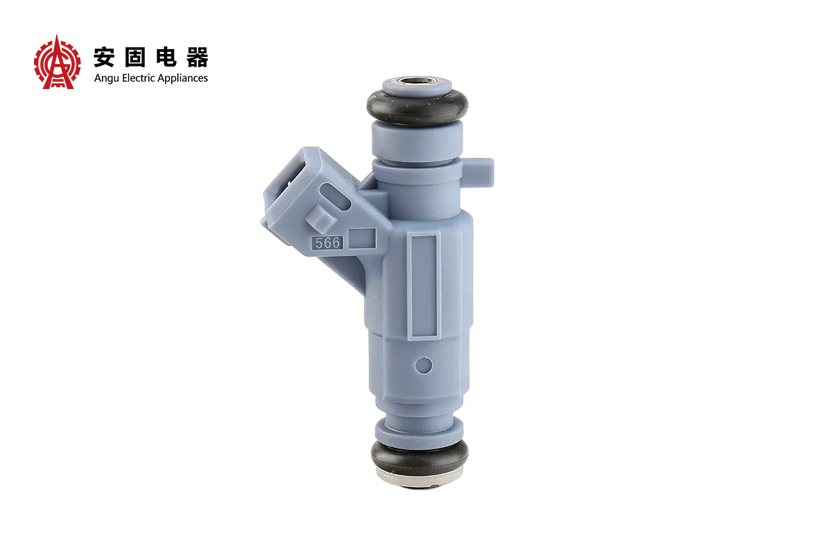
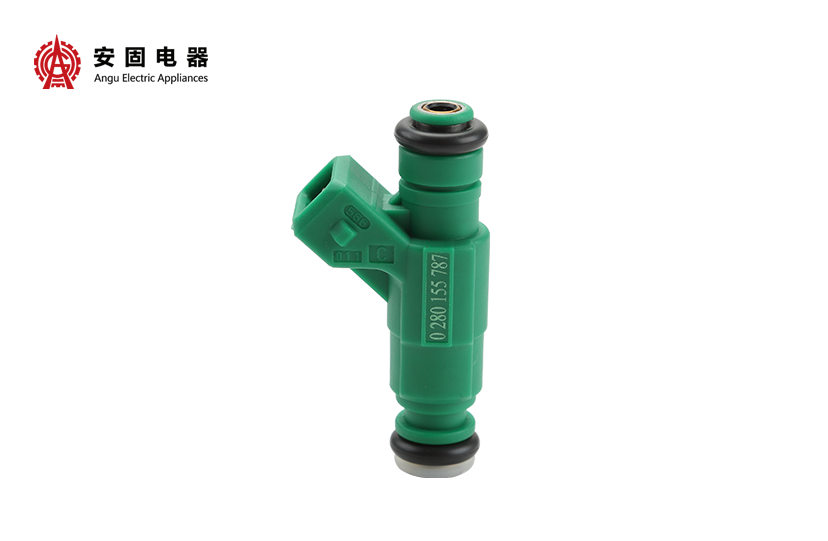
High Atomization Fuel Injectors use precise nozzle architecture and fluid flow to produce very tiny fuel droplets. Injection noise is high due to the micro-orifice designs of these port fuel injectors. These designs generally have curved or numerous laser-drilled holes. Turbulence splits fuel into tiny bits, increasing surface area to volume and speeding combustion in the combustion chamber.
The injection process relies on fast control systems like solenoid or piezoelectric ones with reaction times under 1.5 milliseconds. This speed allows pulse-width modulation, which helps motor control units adjust injection time and duration dependent on load. Fuel atomized properly combines evenly with air, creating a regular charge that ignites and burns. This maximizes fuel molecule energy and reduces hydrocarbon emissions.
Technical Parameters That Define Performance
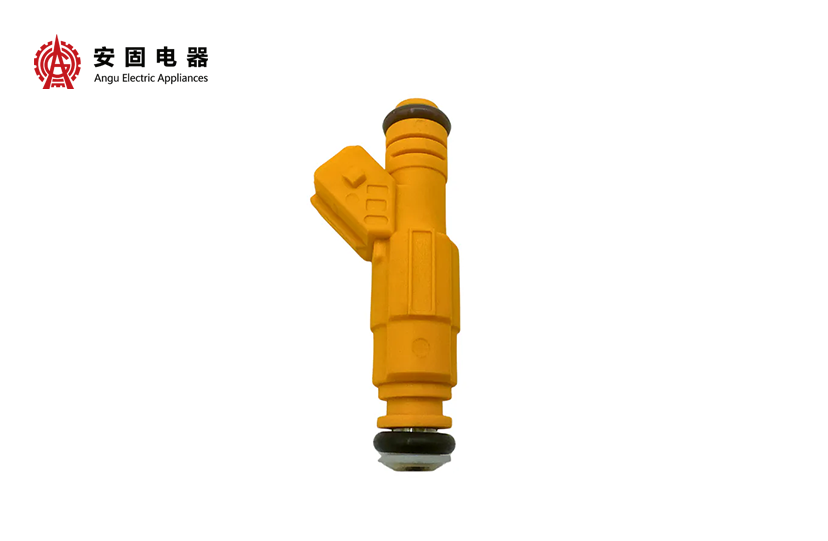
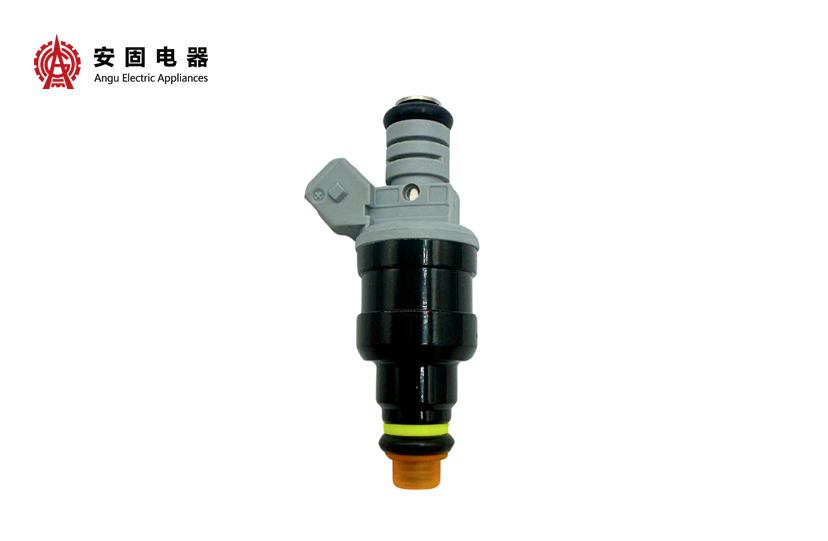
High-performance atomizing injectors differ in several ways. Fuel is chopped into little drips at 250–350 bar operating pressure. Material choice is crucial. Part number OE 96332261 is constructed of rust-proof stainless steel and high-temperature plastic. This makes it durable even with oxygenated fuels like E85.
The injection volume ensures consistent power and fuel usage across all cylinders with an accuracy of ±4%. Our manufacturing procedure checks every unit for 100% factory pressure leaks. This keeps the zero-drip seat stable. Consistent spray pattern maintains cone angle within ±2° range. Fuel distribution mistakes that cause misfires or uneven cylinder loads are prevented. Lower cold start particle number emissions, less unburned hydrocarbon waste, and improved power band heat efficiency are practical benefits of these technological qualities.
Application Environments and Engine Compatibility
These pumps work hard in many areas. They help gasoline direct injection (GDI) and turbocharged GDI (TGDI) engines reduce emissions during lean-burn cycles and cold starts. In industrial thermal processing plants, they break up heavy fuel oils or thick biofuels into tiny particles for high-efficiency boilers. This prevents soot 24/7. Aerospace and unmanned aerial vehicle turbines must burn fuel continuously at high altitudes and cold temperatures.
The OE 96332261 High Atomization Fuel Injector specifically fits DAEWOO LACETTI GASOLINA 1.4L (2005–2006) and CHEVROLET LACETTI J200 1.6L (2005–2016) platforms. Cross-platform interoperability from common mounting ports and electrical connectors helps fleet owners track their items. Knowing these compatibility considerations helps buying teams avoid costly specification mistakes that delay installation and testing.
Common Symptoms of High Atomization Fuel Injector Failure
Performance Degradation Indicators
The engine performs differently when injectors fail. Rough idle—the engine rattles and the RPM changes—is one of the earliest indicators. When injectors fail, they transmit varying quantities of fuel to various cylinders, disrupting the engine control unit's balanced burning plan. When drivers or users of heavy equipment accelerate up, the engine may stumble before responding to throttle input.
Environmental and Compliance Concerns
Misfires increase with valve fouling or mechanical wear. These misfires trigger diagnostic trouble codes that alert repair crews to cylinder issues. Power loss is obvious when the system is loaded; automobiles have problems climbing hills, and industrial equipment works less efficiently. Fuel usage rises as the engine increases the air-fuel mixture to compensate for incomplete combustion. The gasoline is wasted without providing power.
Failed injectors produce visible environmental symptoms that regulatory testing quickly identifies. Exhaust smoke color provides diagnostic clues—black smoke indicates overfueling, while blue-gray smoke suggests oil contamination from extended misfires that destroy piston rings. High hydrocarbon and carbon monoxide levels in emission testing may indicate that the vehicle doesn't satisfy China IV, China V, or other international regulations.
Physical and Sensory Warning Signs
Beyond performance metrics, physical indicators provide early detection opportunities. Fuel leaks at the injector base or sealing surfaces leave visible engine markings and aromas. These leaks waste fuel and risk causing fires, especially in industrial equipment rooms. The injector may generate clicking or ticking sounds while functioning, indicating a valve failure or machine damage that needs immediate attention.
Maintenance technicians should periodically inspect injector wire cables for corrosion or rust since electrical issues sometimes mimic mechanical ones. Too much heat or incompatible gasoline additives might cause swollen or fractured O-rings. Quality assurance teams can trace failure trends to working environment or fuel supply issues by noting down these physical signals. This aids future purchases and maintenance.
Root Causes of High Atomization Fuel Injector Failures
Fuel Quality and Contamination Issues
In industrial and automotive environments, fuel contamination is the principal cause of injector failure. Rust scale, dirt, and bacteria in storage tanks enter the fuel system and jam injector tubes, obstructing small holes that provide atomized spray patterns. Particles 10–20 microns can alter spray cone angles and droplet size distribution, disrupting precisely calculated flow dynamics.
Water contamination introduces additional problems. Water promotes sludge-forming microorganisms in diesel. Gasoline systems become acidic as the ethanol mixes phase separates. Low-quality fuels with too much sulfur or aromatic chemicals produce carbon deposits on injector tips, causing "coking." These deposits reduce fuel flow and spray qualities until the engine's performance is unacceptable.
Mechanical Wear and Material Fatigue
For High Atomization Fuel Injector, procurement teams may tackle these issues by implementing seller certification criteria that specify gasoline filtering and storage requirements. Incoming materials are strictly inspected in our ISO 9000 and IATF 16949-certified production procedures. For the ≥50,000 km service life, end users must maintain a clean system by filtering and arranging regular fuel system repairs.
High operating pressures and repetitive cycling impose substantial mechanical stress on injector components. The OE 96332261 undergoes 1,000 hours of bench cycle testing throughout development to approximate a longer lifespan. However, real-world circumstances accelerate wear. Over time, high-speed fuel flow wears away nozzle orifices, making properly sized holes larger and worsening spray atomization. Internal seals and O-rings harden with temperature cycling, leading to pressure leaks. Solenoid or piezoelectric actuators experience magnetic or mechanical wear after millions of triggers, affecting opening and closing timing.
Installation Errors and Maintenance Neglect
Material choice affects durability in tough operating situations. Diamond-Like Carbon (DLC) coatings on martensitic stainless steel components resist temperatures up to 150°C and pressures exceeding 350 bar, extending maintenance intervals. Purchase managers should evaluate material standards and surface treatments before buying new injectors to decide if the parts fulfill original equipment (OE) performance criteria or are lower-quality.
Even high-quality parts might fail due to installation or maintenance errors. If you fix injectors without the correct torque requirements, the sealing surface will distort and leak combustion gas or fuel. Cross-threading during installation damages mounting holes and injector bodies, causing leaks that worsen over time. Service life is also reducing due to calibration issues. Without remapping the ECU, higher-flow injectors use too much fuel, while lower-flow units generate lean circumstances that might cause detonation damage.
Diagnosing and Troubleshooting High Atomization Fuel Injector Failures
Diagnostic Methodology and Testing Equipment
Effective mending requires several monitoring approaches. Start with visual inspection. Fuel stains or carbon buildup on external injectors, wiring harness, and mounting area are checked by technicians. The rail fuel pressure test ensures the delivery system is working properly. Deviations indicate pump or pressure control issues, not injector issues.
Electronic diagnostic readers retrieve engine control unit fault codes and live data streams. This indicates cylinder misfires, fuel trim adjustments, and injector pulse width changes. Specialized injector testing compares actual flow rates and spray patterns to OE standards away from the automobile. Quality control involves Phase Doppler Particle Photography (PDPP). These approaches indicate droplet size and spatial regularity, although they are frequently too complex for field diagnosis.
Preventive Maintenance Best Practices
Maintenance teams should record fuel pressure, injector pulse lengths, and emissions during installation. Regularly comparing these baselines helps detect deterioration before it causes failure. This aids predictive maintenance and downtime reduction. Systematic care extends injector life. Every 30,000 to 50,000 miles, clean the fuel system with appropriate detergent additives to remove deposits on injector tips and inner tubes.
Optimal fuel filtration is the most cost-effective engine protection. Make sure your filters can catch 10 microns or less, as controlling contamination will prevent 70% of injector failures. Regular fuel quality testing detects pollution before the injectors. Finding and removing storage tank water prevents microbial and rust formation, especially in humid or saltwater environments. Seasonal equipment with gasoline additives prevents oil buildup.
Procurement Considerations for Reliable Sourcing
High atomization fuel injector maintenance plans should be prepared and linked to labor hours or distance. People accountable to the operations manager should do maintenance. We offer detailed care instructions with every injector shipment, including how to clean, check, and replace at warranty intervals. These restrictions safeguard your tools and the seller's warranty.
You must consider more than simply seller unit pricing when buying new injectors. IATF 16949 accreditation indicates the quality systems are car-worthy and have statistical process control and traceability, which helps maintain fleet consistency and warranty claims. Our three invention patents and six utility model patents demonstrate our constant innovation in engineering. Production capacity and lead time pledges affect operational continuity. Based on 20 years of production expertise, our 30-day delivery standard helps plan maintenance without stockpiling.
Solutions and Upgrades: Choosing Reliable High Atomization Fuel Injectors
Critical Specification Parameters
Pay great attention to technical characteristics that fit your application to get the proper injectors. To maintain cylinder balance, flow rate matching ensures that each injector delivers the same quantity of fuel at the same pulse width. The accuracy limit of ±4% on OE 96332261 is the highest in its field. It prevents power mismatches and greater emissions from mismatched sets.
Spray pattern must match combustion chamber shape. The piston cap shape, spark plug position, and cone and droplet angles help distribute the flame rapidly and evenly. Interchangeable numbers like INJ678 and 25182404 make cross-referencing easy, but procurement teams shouldn't rely on them because they might indicate various performance ratings. Instead, examine electrical connector compatibility, mounting size, and flow characteristics.
Evaluating Supplier Capabilities and Reputation
Another crucial element is environmental safety. Our parts fulfill China IV and China V pollution regulations, making them legal in China but often exceeding other norms. Material specifications ensure compatibility with local fuels. E85 compatibility requires FKM/FFKM compounds and anti-corrosive coatings that gasoline-only injectors lack.
Suppliers consider manufacturing consistency and company security in addition to product requirements. ISO 9000 provides fundamental quality assurance, whereas IATF 16949 addresses automotive supply chain demands such as advanced product quality planning and production part approval. Patent portfolios, professional help, and customization indicate technological expertise. We hold three concepts and six utility model patents for atomization, material treatments, and industrial processes, demonstrating our ongoing R&D investment.
Procurement Strategy for Bulk Buyers and OEMs
Business relationships are crucial to long-term OEM relationships. Our 20-year history of operations provides confidence in our supply, avoiding disruptions from new suppliers leaving the market. Large sellers should leverage their buying power to secure better bargains while maintaining quality. Deals should include quality assurance provisions to ensure standards are followed, regardless of how many things you buy.
Supporting production planning or fleet repair programs requires lead time management. Our 30-day delivery window fits routine purchasing planning, and safety stock or consignment arrangements give extra inventory in case of problems. Backup logistics alternatives like sea freight for routine shipments and swift air for emergencies balance operations risk and expense. OEMs can modify electrical connections, mounting, and flow rates. Our OEM/ODM services let us design customized solutions from customer drawings and requirements to improve appearance or minimize cost.
Conclusion
High atomization fuel injector failures can disrupt operations, increase maintenance costs, and hinder pollution regulations. Buying and maintenance teams must be able to identify early signs and determine the problem. Precision spray control with high atomization technology boosts performance if built, installed, and maintained effectively. Parts like OE 96332261, composed of stainless steel, with ±4% drilling accuracy and extensive leak testing, demonstrate technical perfection for long-lasting usage. Choose vendors with IATF 16949 certification, established technical expertise, and rapid response support networks to maintain company efficiency and save total ownership costs across component lifecycles.
FAQ
How can I identify early signs of injector failure before complete breakdown occurs?
Check the engine for roughness, hesitation when speeding, or unusual gas use. Diagnostic readings that report continuous cylinder misfires or unusual fuel trim levels indicate injector difficulties. Get the injectors examined immediately if you observe gasoline stains at their bases or hear weird clicking noises while they're working.
What maintenance intervals maximize injector longevity in fleet applications?
Change the fuel filter every 15,000–20,000 miles to prevent particulates from entering the injectors. To remove deposits, clean the fuel system using recommended cleansers every 40,000–50,000 km. Annually inspect fuel storage systems for water contamination and bacteria development that accelerates part degradation.
Are high atomization injectors compatible with ethanol-blended fuels like E85?
Professional multifuel units employ FKM or FFKM compounds and rust-resistant coatings for high-ethanol environments. Standard gasoline-only injectors lack these precautions; E85 accelerates seal failure and corrodes the interior. Before purchase, verify fuel standards to avoid early issues.
Can I install upgraded high atomization injectors without modifying the engine control unit?
Standardized mounting connections improve physical installation, but engine control unit tuning frequently needs to be modified. Injector flow and response characteristics determine pulse width. If the calibration is wrong, the engine will run excessively rich or low, causing performance issues or damage. Professional ECU remapping ensures new part air-fuel ratios are correct.
Reach out to Angu for ISO-Certified High Atomization Fuel Injector Solutions
Angu brings 20 years of precision product manufacturing to your procurement strategy. We are ISO 9000 and IATF 16949-approved suppliers with three concepts and six utility model patents. The fuel injection parts we design fulfill high industry and automotive requirements. Our OE 96332261 injector has ±4% accuracy, 100% leak-tested sealing, and ≥50,000 km lifetime validated by 1,000-hour lab testing. It uses corrosion-resistant stainless steel and high-temperature polymers.
We understand that buying managers struggle to fulfill quality requirements, delivery timelines, and budgets. Our 30-day manufacturing wait time, diverse logistics options (sea freight, air freight, DHL, FedEx, and UPS express), and one-year warranty provide your firm with reliability. Our technical team provides the specs you need to address your difficulties, whether you need OE replacements for DAEWOO LACETTI or CHEVROLET LACETTI platforms or unique OEM/ODM solutions.
For fuel injector advice, contact our technical staff at chenrf@angu.com. We will thoroughly investigate compatibility, provide inexpensive quotations for large orders, and design logistics to fit your maintenance schedules. Browse our collection at angudianqi.aixdb.cn to see why major automobile suppliers and industrial equipment manufacturers chose angu as their top High Atomization Fuel Injector manufacturer.
References
1. Stone, R. (2012). Introduction to Internal Combustion Engines (4th ed.). SAE International, Warrendale, Pennsylvania.
2. Zhao, F., Lai, M., & Harrington, D. (2002). Automotive Spark-Ignited Direct-Injection Gasoline Engines. Progress in Energy and Combustion Science, 25(5), 437-562.
3. Baumgarten, C. (2006). Mixture Formation in Internal Combustion Engines. Springer-Verlag, Berlin, Germany.
4. International Organization for Standardization. (2016). ISO 9001:2015 Quality Management Systems—Requirements. Geneva, Switzerland.
5. International Automotive Task Force. (2016). IATF 16949:2016 Quality Management System Requirements for Automotive Production. Southfield, Michigan.
6. Society of Automotive Engineers. (2018). SAE J1832: Electric Fuel Injector Characterization Standard. SAE International, Warrendale, Pennsylvania.
YOU MAY LIKE