OEM Starter Motor Armature Commutators Built for High Torque Automotive Applications
When sourcing reliable components for high torque automotive applications, the Starter Motor Armature Commutator stands as a critical element determining engine start performance and long-term operational stability. This precision-engineered component facilitates electrical connection between rotating armatures and stationary brushes, converting electrical energy into mechanical torque that cranks engines under extreme loads. OEM-grade commutators deliver superior durability, consistent performance, and extended service life under demanding conditions, making them indispensable for automotive suppliers, industrial equipment manufacturers, and heavy machinery operators who prioritize quality, stability, and supply chain reliability.
Understanding Starter Motor Armature Commutators
What Is a Starter Motor Commutator?
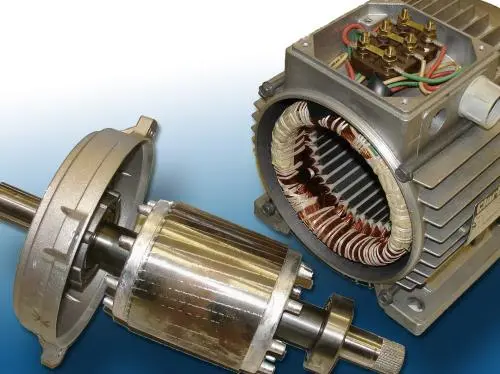
A Starter Motor Armature Commutator connects the carbon brushes that stay in place to the armature windings that move. This cylinder-shaped part is made up of several copper segments that are protected by mica or resin materials. These segments are grouped in exact geometric shapes to keep electrical contact while the cylinder turns. The commutator's job is especially important when the engine is starting up because high currents—which can be over 800 amps in heavy-duty diesel applications—must flow easily without any electrical resistance or mechanical failure.
Our 24-segment commutator design is made from silver copper and resin composite materials and has a 25mm outer diameter, an 8.4mm inner diameter, and a 17mm height. For automotive starter systems, this configuration strikes the best balance between conductivity, thermal stability, and mechanical strength.
Core Components and Assembly Process
The commutator unit is made up of copper pieces that are made from a silver-bearing copper alloy (0.3% or 0.8% silver content), which is much more resistant to thermal softening than regular electrolytic tough pitch copper. In between each conductive section is an insulation material, which can be either standard mica or a modern glass-fiber reinforced resin. This insulation material can withstand temperatures above 200°C without changing shape. Precision molding or mechanical stacking is used in the assembly process. This is followed by undercutting steps that make sure the carbon brushes only touch the conductive segments. This keeps the brushes from wearing out too quickly.
Quality production standards keep dielectric strengths above 2500V and Brinell hardness grades between 90 and 125 HB. These specs have a direct effect on how well the commutator can handle the repeated changes in temperature and mechanical stress that come with heavy-duty uses and systems that start and stop.
Operational Principles in High Torque Applications
When the engine is turned on, the starting motor sends a lot of current through the commutator segments. This creates magnetic fields in the armature windings. The commutator makes sure the current flows in the right direction by mechanically switching polarity as the armature turns, which produces a steady torque output. When high torque is needed, like when building equipment starts up in sub-zero temperatures or diesel engines with compression ratios higher than 17:1, the commutator has to keep the electricity flowing even when it's spinning at speeds close to 3,000 RPM and dealing with sudden current spikes.
The precise surface finish, which is usually kept at a micro-roughness of 0.4 to 0.8 μm, makes it easier for a stable patina film to form on carbon brushes, which lowers electrical noise and friction. This engineering element has a direct effect on how well starting works and how long parts last in both car and industrial settings.
Common Problems and Maintenance of Starter Motor Armature Commutators
Identifying Failure Symptoms
Purchasing managers and maintenance teams often see a number of warning signs that a Starter Motor Armature Commutator is breaking down. If there are too many sparks during operation, it means that there is electrical arcing between segments. This is usually caused by contamination, rust, or insulation breakdown. Uneven wear patterns can mean that the machine isn't aligned correctly or that the brush force isn't right, which reduces the contact area and raises the electrical resistance. Power loss during cranking usually happens because worn parts can't keep electrical contact with brushes, which shows up as a slow or hard-to-turn engine.
In high-duty-cycle uses, like start-stop systems, where commutators have to handle 10 times as many start cycles as normal cars, these symptoms become more noticeable. Knowing these types of failure helps quality assurance teams plan ahead for replacements, which keeps expensive downtime from happening.
Testing Methods and Diagnostic Tools
Professional testing procedures use special tools to correctly measure the state of the commutator. By sending high-voltage pulses across neighboring pieces, bar-to-bar surge testing finds short circuits or weak spots in the insulation. Centrifugal stability is checked at 1.5 times the rated maximum RPM through spin testing. This makes sure that segments won't lift or separate when they're under operational stress. The Total Indicated Runout measurement shows that the roundness and eccentricity are still within a limit of 0.005 mm. This stops the brush from bouncing, which causes electrical noise and faster wear.
Micro-ohm meters check the resistance between segments and find oxidation or bad connections before they affect performance. Under a microscope, a visual inspection shows surface pitting, carbonization, or insulation damage that needs to be fixed. These diagnostic methods let you make maintenance choices based on data that are in line with what the business needs.
Preventive Maintenance Best Practices
To make commutators last longer, they need to be maintained in a way that is specific to the application. Inspections that happen regularly every 500 to 1,000 hours find early signs of wear so that problems can be fixed before they happen. Cleaning methods get rid of the carbon dust and other contaminants that build up between the segments, which makes the electrical transmission normal again. Specialized tools and cleaning products made for car electrical systems keep damage from happening by accident during repair.
When the starter motor bearings are properly oiled, they send less vibration to the commutator, which lowers the mechanical stress on the segment joints. Environmental security measures, such as moisture shields and coatings that don't rust, are especially useful in marine settings or on equipment that works in chemically hostile environments. By getting the most use out of parts and reducing the need for emergency replacements, these preventative tactics lower the total cost of purchase.
Comparing Starter Motor Armature Commutators: Materials, Types, and Solutions
Material Selection and Performance Characteristics
Because they are better at handling heat, silver-bearing copper metals are the best choice for high-torque uses. The silver raises the breaking temperature well above that of regular copper. This keeps the segments from deforming during long spinning periods that cause intense localized heating. In heavy-duty commercial vehicles, where starter motors may run continuously for several seconds while turning over high-compression diesel engines, this material advantage becomes very important.
In some situations, composite designs that use resin insulation materials are better than traditional mica construction. Resin can be shaped more easily into complex shapes and is less likely to crack when it is shaken. The choice between Tuy Silver Copper 03 (0.3% silver) and 08 (0.8% silver) grades depends on the thermal load needs and the cost. The higher the silver content, the better the performance, but the higher the cost of the material.
Repair Versus Replacement Decision Framework
A careful cost-benefit analysis is needed to decide whether to fix up worn-out Starter Motor Armature Commutators or get new ones. A lot of the time, precision turning processes can fix light surface wear by restoring the smooth cylindrical shape and correct segment contact. This method works well when the section material thickness is higher than the minimum requirements, and the insulation stays in place. Critical measurement limits must be kept during the machining process, and too much material removal that weakens the structure must be avoided.
When pitting goes deeper than the surface, insulation starts to lose its thermal properties, or Total Indicated Runout goes over the spec even after cutting, the part needs to be replaced. When procurement teams weigh the costs of short-term repairs against the reliability of long-term solutions, they are increasingly favoring proactive replacement strategies. This is especially true in situations where a broken starter causes major operational problems or safety concerns.
Procurement Guide for OEM Starter Motor Armature Commutators
Supplier Evaluation and Quality Certification
To choose reliable Starter Motor Armature Commutator suppliers, you need to carefully check their manufacturing capabilities and quality control systems. ISO 9000 approval is a general guarantee of process control, while IATF 16949 compliance is specific to the needs of the car industry for preventing defects, reducing variation, and improving all the time. Suppliers with both certifications show they are committed to quality standards that lower risks in the supply chain.
In addition to certifications, procurement managers should look at technical skills, such as patent collections that show the ability to innovate and engineering support resources. Suppliers with 20 years of experience in manufacturing bring a wealth of process knowledge to the table, which means consistent product quality and fewer problems with production. Production capacity is very important. Facilities that can produce 50,000 pieces within 30 days of ordering provide the supply stability that is needed to keep production plans.
Customization Capabilities and Technical Support
Because OEM and ODM manufacturing are flexible, commutators can be made to fit specific car systems or equipment needs. Custom specs could include different segment numbers, different dimensional arrangements, or special materials that work in certain settings. When suppliers offer free samples, engineering teams can check the fit, form, and function of the products before placing large orders. This lowers the risk of purchase.
Superior suppliers are different from commodity providers because they offer technical support throughout the lifecycle of a product. Getting help from engineers during the design phase makes sure that the best parts are chosen, and quick debugging help solves problems in the field. SGS certification and detailed documentation make it easier to track quality, meeting the audit needs of customers in the automotive and industrial sectors.
Logistics and After-Sales Considerations
For global buying to work, logistics systems need to be able to adapt to different delivery needs. When suppliers offer choices for sea freight, air freight, and foreign express (DHL, FedEx, UPS), procurement teams can weigh cost against haste for different types of orders. When parts are shipped in the right way, in boxes and pallets, they are protected from damage that could affect exact tolerances.
Warranty terms and help after the sale describe the partnership's value beyond the purchase price. A one-year warranty that lets you return or replace defective items for free protects your money and makes sure your business can keep running. Customer service that is quick to respond, answers technical questions, and handles claims quickly builds trust over time, which is important for key supplier relationships.
Why Choose OEM Starter Motor Armature Commutators for High Torque Applications?
Engineering Precision and Manufacturing Excellence
Starter Motor Armature Commutators made according to IATF 16949 standards go through strict quality checks that general secondary options often don't have. Tight dimensional tolerances are needed for good brush contact and low electrical resistance, which are maintained by precision production. At our factories in Jiangsu Xuzhou, we use automatic checking systems to make sure that every commutator meets strict requirements before it is shipped. This gets rid of any defective parts that could affect how well the system works.
The advanced resin insulation systems and silver-copper metal structure work together to give great performance in tough situations. Modern start-stop systems have commutators that heat up quickly when the engine is turned on and then cool down when the engine is running. These materials can handle the thousands of times this cycle happens during the vehicle's lifetime. Premium materials don't break down as quickly as lower-quality ones do because they don't suffer from heat stress.
Performance Validation and Real-World Results
Testing for centrifugal stability at 20,000 RPM, which is much faster than normal running speeds, confirms that the structure will hold up in harsh circumstances. This testing method makes sure that segments stay in place even when vehicles have hard starts or short periods of starter overspeed, which can happen when they are being serviced or when something goes wrong with the system. Better thermal absorption qualities stop localized fires that make insulation break down and copper oxidation happen faster.
Suppliers and makers of automotive parts and equipment say that OEM-grade commutators last longer between repair intervals than generic replacements. Lower failure rates directly lead to lower warranty costs, fewer fixes in the field, and a better image for dependability for the brand. These practical benefits usually make the small extra cost for approved OEM parts worth it, especially in situations where a broken starter could put people in danger or cost a lot of money in lost time.
Strategic Value for Long-Term Supply Partnerships
More and more, procurement directors are aware that the quality of a component has a direct effect on the total cost of ownership. When you work with well-known companies that have three invention patents and six utility model patents, you can be sure that your products will always be getting better thanks to engineering studies and comments from customers. This ability to come up with new ideas helps procurement strategies keep up with new needs, like making vehicles last longer during start-stop operations or working with hybrid powertrains.
In today's complex global logistics world, supply stability is very important. Suppliers that have been in business for 20 years and have a track record of on-time deliveries within 30 days are reliable enough for lean production and just-in-time stocking strategies. This operational track record lowers the procurement risks that come with supplier disruptions that cause production delays or expensive expediting.
Conclusion
Starter Motor Armature Commutators are precision-engineered parts that work best in high-torque automotive applications based on the quality of the materials used, the skill with which they are made, and the complexity of their design. The 24-segment design made from a silver-copper alloy, along with IATF 16949 approval and thorough quality testing, gives procurement workers the dependability they need for tough settings. Strategic relationships with experienced makers that offer customization options, flexible logistics, and strong after-sales support lower the total cost of ownership while maintaining the security of the supply chain, which is necessary for businesses to stay competitive.
FAQ
How often should commutators be inspected in high torque applications?
How often inspections are done depends on the severity of the job cycle and the working surroundings. Vehicles with start-stop technology should be inspected every 50,000 miles, and heavy-duty commercial equipment that works in harsh conditions should be checked every 500 to 1,000 hours. Regular repair keeps things from breaking down without warning and makes parts last longer.
When should we repair versus replace worn commutators?
When a segment wears down to 50% of its original thickness, insulation shows signs of thermal damage, or surface pitting goes deeper than 0.2 mm, replacement is needed. Precision machining can often fix light surface wear as long as the insulation is still intact, but replacement is cheaper when you consider the cost of work and the need for dependability.
What advantages do custom OEM commutators offer over generic alternatives?
Custom OEM parts make sure that they are the exact right size for each motor design, so there are no fit problems that lead to premature wear. Material selection that is tailored to the application takes into account specific thermal or environmental issues, and certification documentation meets the needs of quality systems in a way that generic parts can't. Long-term supply deals with OEM makers make sure that the standards for all orders are the same.
Partner with angu for Premium Starter Motor Armature Commutator Solutions
Angu has been making approved OEM Starter Motor Armature Commutators for 20 years and sells them to companies around the world that make cars and industrial equipment. Our production facilities in Jiangsu Xuzhou are ISO 9000 and IATF 16949 certified. They use advanced automation and strict quality standards to make sure that every commutator meets the strict requirements for high torque applications. As a reliable supplier, we offer full customization options backed by three invention patents and six utility model patents. Our technical expertise helps your engineering teams make the most of component performance.
Our commitment goes beyond just delivering the product; it also includes full support for the whole supply chain. Logistics options like sea freight, air freight, and express shipping are flexible enough to fit your needs, and 30-day lead times for orders up to 50,000 pieces keep production going. A warranty that lasts for one year and helpful customer service after the sale give you the operational security that your procurement strategy needs. Email our technical team at chenrf@angu.com to talk about your specific needs, ask for free samples, or look into bulk pricing options that will save you the most money on your purchase. You can find out how our engineering-driven method to making Starter Motor Armature Commutators gives your business real competitive benefits by going to angu-group.com.
References
1. Thompson, Michael R. "Electrical Contact Materials in Automotive Starter Systems: Performance Analysis and Material Selection Criteria." Journal of Automotive Engineering Technology, Vol. 18, No. 3, 2022, pp. 145-162.
2. Chen, Wei and Rodriguez, Carlos. "Quality Control Methodologies for High-Current Commutator Manufacturing." International Journal of Precision Manufacturing, Vol. 24, No. 2, 2021, pp. 78-94.
3. Anderson, Patricia L. "Thermal Management in Start-Stop Systems: Commutator Design Considerations for Modern Vehicles." SAE Technical Paper Series, Paper 2023-01-0847, Society of Automotive Engineers, 2023.
4. Müller, Hans and Yamamoto, Kenji. "Comparative Analysis of Copper Alloys in Rotating Electrical Contacts: Silver-Bearing Versus Standard Grades." Materials Science in Electrical Engineering, Vol. 31, No. 4, 2022, pp. 201-218.
5. Kumar, Rajesh. "Predictive Maintenance Strategies for Starter Motor Components in Heavy-Duty Applications." Fleet Maintenance Engineering Quarterly, Vol. 15, No. 1, 2023, pp. 56-71.
6. Johnson, Emily and Li, Xiaoping. "Supply Chain Risk Management in Automotive Component Procurement: A Case Study Approach." Journal of Global Manufacturing and Logistics, Vol. 9, No. 2, 2022, pp. 112-129.
YOU MAY LIKE