Precision Replacement Commutator Fix Stuck & Noisy Seat Adjustment Motors
When your vehicle's seat adjustment motor starts grinding, stalling, or refusing to move, the culprit is often a degraded commutator—the rotating electrical interface that enables smooth current transfer in DC motors. Motor commutator replacement represents a precision-engineered solution that restores motor functionality without replacing the entire assembly, dramatically cutting downtime and capital costs. By swapping out worn copper segments and degraded mica insulation, you eliminate excessive brush sparking, carbon tracking, and electromagnetic interference that lead to complete motor failure in automotive and industrial applications.
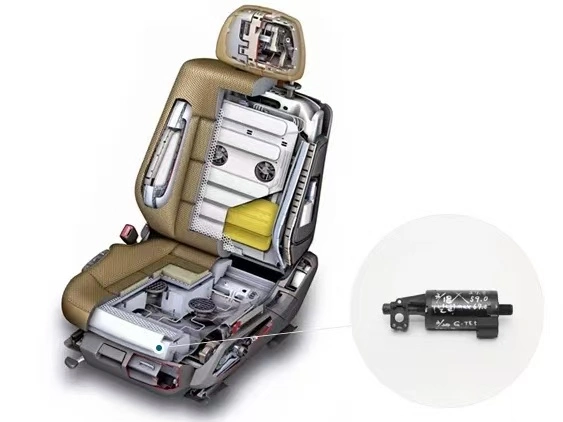
Understanding the Motor Commutator and Common Issues in Seat Adjustment Motors
The Critical Role of Commutators in Seat Adjustment Systems
The commutator is the most important part of any DC motor. It uses a series of copper segments on the armature shaft to turn electrical energy into precise mechanical motion. This part of car seat adjustment motors has to deal with high amperage loads, constant motion switching, and temperature cycles as drivers change the seat height, lumbar support, and recline angles. When it's working right, the commutator keeps the brush contact stable, sending current evenly across parts to make the torque output smooth. Any damage to the surface or loss of shielding creates electrical hotspots, which cause the grinding sounds and random operation that are common in old seat motors.
Recognizing Early Warning Signs of Commutator Failure
Several telltale signs help maintenance teams figure out when a commutator is breaking down. Too much brush arcing causes sparks to appear while the motor is running, and the carbonized copper residue often gives off a strong burning smell. People who use the seats say that the motor sometimes hesitates, reverses without warning, or doesn't respond to control inputs. An acoustic study shows clicking or buzzing sounds that are not standard gear mesh noise. A close look at the surface usually reveals copper pieces with pits, mica insulation that is raised (high mica condition), or cutting patterns around the edges caused by dirty brushes. These indicators show that failure is about to happen, so quick action is needed to avoid expensive production stops or warranty claims in OEM settings.
Diagnostic Procedures for Assessment
Three main testing methods are used by engineering teams to measure the state of the commutator. Using precise micro-ohmmeters to measure the resistance from bar to bar can find internal shorts or imbalances between segments that show insulation failure. Surface profilometry measures the depth of the mica notch and the runout of the segments. Tolerances of less than 0.005mm are usually fine for high-speed uses. Hi-pot dielectric testing uses high voltages (often 2000V+) to check the integrity of the insulation during surges. These numeric tests help buying managers decide whether to repair or replace something based on data, weighing the costs of fixing it right away against the need for long-term dependability.
Systematic Guide to Precision Motor Commutator Replacement
Evaluating Repair Versus Full Replacement Strategies
The decision factors for Motor commutator replacement depend on how critical the motor is, the required production volume, and the total cost of ownership. Motor commutator replacement is often more economical when the armature windings, bearing surfaces, and housing remain within specification. This approach is particularly common in seat adjustment motors, where the commutator surface can experience significant wear from repeated brush friction. Replacement components used for Motor commutator replacement, made from oxygen-free high-conductivity copper and premium Muscovite mica, can provide performance comparable to or better than the original components. Hardness ratings of approximately 80 to 105 HRB can help ensure proper brush seating and stable electrical contact. In situations where several failure modes are present, complete motor replacement may be more practical than Motor commutator replacement. However, when the remaining motor components are still serviceable, Motor commutator replacement can extend equipment life while reducing replacement costs. For high-volume applications, evaluating the condition of the motor before choosing Motor commutator replacement can help buyers select the most cost-effective maintenance strategy.
Professional Replacement Procedure Overview
To change something, you need special tools and to follow strict quality rules. First, the technicians take the armature out of the motor case and write down the original commutator measurements so that they can check the tolerances. Carefully, the broken commutator is taken out using hydraulic press fixtures that keep the armature windings safe from mechanical shock. To prepare the surface, the shaft journal needs to be cleaned to get rid of carbon deposits, and runout needs to be checked using dial indicators on precision V-blocks. The new commutator is placed using controlled interference fits after being checked for segment alignment and wiring integrity. This usually involves heating the commutator to 150–200°C first to make sure it fits properly without damaging the components next to it.
After installation, quality control is done at several checkpoints. At 1.2 times the rated operating speed, dynamic balancing fixes any remaining mass distribution irregularities. This stops vibrations from wearing out the bearings. Mica undercutting processes make the appropriate depression (usually 0.5 to 1 mm) below the copper surface to stop high-mica brush bounce that leads to carbon wear before it's time. As part of the final check, spin tests are done to make sure the mechanical integrity and continuity tests are done to make sure that all pieces have the same electrical properties.
Maintenance Practices That Extend Component Life
Preventative measures make High-Precision Commutator replacement components last a lot longer in seat adjustment applications. The hardness of the commutator material must match the hardness of the carbon brush. Too-soft brushes cause excessive copper buildup, while overly hard grades accelerate segment wear. Teams can identify sources of contamination before abrasive particles become embedded in brush surfaces by conducting regular inspections, usually every 500 operational hours in industrial settings. Environmental controls reduce exposure to silica dust, welding fluids, and corrosive chemicals. These contaminants can damage copper surfaces and mica insulators. These preventative steps reduce unplanned downtime and extend service intervals, directly lowering the total cost of ownership for production sites and fleet operators.
Comparing Motor Commutator Replacement Options for Procurement Decisions
OEM Versus Aftermarket Component Analysis
When looking for new parts, procurement workers have to make important decisions. OEM commutators guarantee that the dimensions and material specs will match the original design purpose. They also come with all the certification paperwork needed to meet IATF 16949 standards in car use. Companies like Bosch, Siemens, and Baldor have strict quality systems that make sure that each batch is the same. This is important for high-volume production environments where even small changes can slow down the assembly line. Aftermarket options can be 30–50% cheaper than OEM parts, but buyers need to carefully look at seller licenses, metallurgical testing methods, and process capability indices to make sure they don't buy low-quality parts that could cancel their guarantee.
The composition of the material is the main thing that sets one quality apart from another. Premium new commutators are made from copper alloys that contain silver (usually between 0.08% and 0.12%). These metals keep their conductivity and don't break down when exposed to heat, even in high-duty cycle situations. Insulation materials must meet Class H temperature ratings, which means they can work continuously at 180°C. They can be made from natural Muscovite mica or manufactured phenolic resins that have been shown to have dielectric strengths greater than 2000V. Procurement managers look for suppliers with fully certified materials that include hardness test results and thermal expansion coefficients. This shows that the process is mature enough for long-term partnerships with suppliers.
Evaluating Supplier Capabilities and Certifications
Supply chain stability depends on more than just the specs of the parts. When evaluating a seller, you must also look at their manufacturing skills. ISO 9000 certification sets the standard for quality management systems, and IATF 16949 certification verifies automotive-grade process controls, such as statistical process control, production part approval processes, and the integration of failure mode and effects analysis. When a supplier has more than one idea patent or utility model patent, it shows that they have a lot of engineering knowledge and can help with customization requests and design optimization projects. Facility audits should check that the company has the right testing equipment. Suppliers that don't have specialized commutator spin test stands or hi-pot testing equipment usually get their parts from lower-tier makers, which causes tracking gaps that aren't acceptable in critical applications.
Lead time commitments for Motor commutator replacement have a direct effect on production planning flexibility. Established manufacturers with well-developed supply chains can often provide approximately 30-day delivery windows for standard configurations, helping customers plan Motor commutator replacement projects more effectively. For urgent repair requirements, faster delivery options may also be available to reduce equipment downtime. Technical support responsiveness is another factor that distinguishes experienced suppliers from commodity vendors. Access to application engineers with knowledge of torque requirements, brush compatibility, and thermal management can be especially valuable when completing Motor commutator replacement during installation or troubleshooting motor performance after replacement. Reliable technical support can help ensure that the selected Motor commutator replacement component is properly matched to the motor's operating conditions. By combining stable lead times, flexible delivery options, and knowledgeable engineering support, suppliers can make Motor commutator replacement more predictable and efficient for demanding applications.
Procurement and Cost Considerations for Motor Commutator Replacement
Sourcing Strategies for B2B Buyers
To do good procurement, you must first find approved makers and wholesalers who can meet your volume, quality, and shipping needs. Online platforms make it easy to connect with many providers, but working directly with manufacturers is better for negotiating prices, getting help with customization, and getting things done faster when supplies are low. Volume price models usually offer savings of 15 to 25 percent for quarterly contracts over 500 units. This makes consolidated purchasing appealing for fleet owners and OEM production lines. Request for quotation processes should include not only the unit price, but also the packaging needs, inspection paperwork, and options for consignment inventory that lowers the amount of working capital needed while still making sure that the goods are available right away for unplanned maintenance events.
Geographical factors affect the total landed cost calculations in addition to the purchase price. For non-essential uses where longer lead times are okay, foreign makers may offer appealing cost advantages. However, domestic providers reduce freight costs and remove customs clearance delays. Freight forwarding strategies balance speed and cost. Sea freight has the lowest per-unit transportation cost for large orders that are planned months in advance. On the other hand, air freight and express carriers (DHL, FedEx, UPS) offer quick replacements for unexpected problems, which justifies higher logistics costs.
Total Cost of Ownership Analysis
Cost modeling that takes into account everything from buying parts to installation work, quality risk, and business effect is called comprehensive cost modeling. Precision replacement commutator parts usually cost between $45 and $180 per unit, depending on the diameter, number of segments, and material requirements. Professional installation costs an extra $80 to $150 per motor when done by trained techs with the right tests and tooling. When quality fails, there are hidden costs. For example, when substandard parts need to be replaced too soon, they double the effective unit cost and cause customer dissatisfaction and warranty claim costs that are much higher than the initial savings on procurement.
When set up correctly, warranty provisions and after-sales support can lower these risks. Suppliers who offer a 1-year warranty and fast replacement for confirmed quality problems show that they trust their manufacturing processes and want to build long-term relationships with their customers. Service level agreements that spell out the fastest times for answering technical questions and sending new parts make sure that problems don't stop output too much when they happen. These contractual rights are especially helpful for international buyers who have to deal with different time zones and the complicated logistics that come with global supply lines.
Future-Proofing Seat Adjustment Motor Performance with Advanced Replacement Solutions
Material Innovation and Design Enhancements
New developments in metalworking have made commutator designs much more effective than older ones. Nanostructured copper alloys with minor elements like phosphorus and tellurium are better at resisting arc erosion while still being able to carry electricity well enough for high-current uses. Using advanced insulation systems with polyimide-mica composites raises the thermal capability to Class F and Class H grades. This lets smaller motors handle more power, which is needed by current car seats that heat and rub you. These improvements to the materials lower the noise levels during operation by 3 to 5 decibels by making the surface finish better and the dimensions more stable. This directly meets the comfort needs of customers in high-end car segments.
Material improvements are increasingly being paired with advanced manufacturing processes for Motor commutator replacement applications. Precision CNC machining can achieve segment thickness tolerances as tight as ±0.01 mm, helping reduce current-distribution inconsistencies that may contribute to localized heating during Motor commutator replacement. Automated assembly systems can also reduce variation during mica placement and segment alignment, helping maintain consistent quality across production batches. These manufacturing capabilities allow suppliers to produce commutator configurations optimized for specific torque profiles, voltage ranges, and environmental conditions, making them suitable for customized Motor commutator replacement requirements. This flexibility is particularly valuable for OEM partnerships that require different performance characteristics across multiple vehicle model lines. By combining precise machining, controlled assembly, and application-specific engineering, suppliers can provide reliable Motor commutator replacement solutions. Consistent manufacturing control also helps ensure that each Motor commutator replacement component meets the required dimensional and functional specifications.
Building Strategic Supplier Partnerships
For long-term supply stability, ties must go beyond just buying things one time. They must also include joint building and integrated planning. Preferred suppliers put money into learning about how customers use their products, doing joint failure analyzes when problems happen in the field, and suggesting changes to the designs that make them more reliable or lower costs. Consignment inventory programs and vendor-managed inventory systems lower the amount of working capital that buyers need while making sure that goods are available right away to keep production going. These relationships are especially helpful when there are problems in the industry. When there are shortages of capacity or raw materials, providers give priority to key accounts when there are shortages across the market.
Strategic partners are different from basic sellers because they can customize products. OEM and ODM production services can handle custom size needs, special material mixes, and design features that are secret and protected by intellectual property deals with customers. Suppliers who have their own application building teams can use rapid prototyping to make small samples for validation testing faster during the development process. This responsiveness speeds up the process of making new products and makes it easier to bring next-generation seating systems with advanced motorized adjustments to the market faster.
Conclusion
Precision Motor commutator replacement can address problems such as noise, intermittent operation, and sticking in seat adjustment motors by using engineered components that help restore original motor performance at a fraction of the cost of replacing the entire motor. For reliable Motor commutator replacement results in automotive and industrial applications, buyers should select suppliers with proven manufacturing certifications, comprehensive quality-testing procedures, and responsive technical support. Organizations can improve procurement efficiency by balancing the initial cost of Motor commutator replacement components with total cost of ownership factors such as warranty coverage, shipping reliability, maintenance requirements, and customization capabilities. Material innovations and strategic supplier partnerships can further improve the performance and durability of Motor commutator replacement solutions. As customer requirements and regulatory standards continue to evolve, selecting a reliable Motor commutator replacement supplier can help organizations maintain consistent motor performance and long-term operational value.
FAQ
When should I choose professional replacement services over in-house repair?
When your maintenance team doesn't have the right tools, like hydraulic press fixtures, dynamic balancing equipment, or high-pot testing capabilities, to do quality checks, it makes sense to hire professionals. Facilities that handle low motor volumes (less than 50 units per year) rarely make the case for buying specialized equipment to replace commutators. High-volume businesses, on the other hand, may build up their own skills, but their links with suppliers are still useful for technical advice and quality comparisons.
What indicators definitively signal commutator replacement necessity?
Three things need to be replaced: obvious copper segment pitting that is more than 0.5 mm deep; mica protrusion above copper surfaces (high mica condition) that is more than 0.3 mm; or bar-to-bar resistance changes that are more than 15% of standard values. These levels show that the item is about to break down soon, which preventive maintenance can't handle properly. This means that replacing it before it breaks is the most cost-effective way to fix the problem.
How long do replacement commutators typically last in seat adjustment applications?
Normal duty cycles in cars involve about 50 to 100 adjustments a month. High-quality replacement commutators have a service life of 8 to 12 years, the same as or longer than the original equipment. When used in industrial settings with higher frequency operation (500 or more rounds per month), replacement times are relatively shorter. Depending on the amount of contamination in the environment and the frequency of preventive maintenance, these parts usually need to be replaced every 3 to 5 years.
Partner With angu for Reliable Motor Commutator Replacement Solutions
The car and commercial motor commutator replacement market has been served by angu for 20 years. We have ISO 9000 and IATF 16949 certifications that show our dedication to quality excellence. Three invention patents and six utility model patents have been issued to our engineering team for new commutator designs that make seat adjustments quieter, last longer, and use electricity more efficiently. We offer custom OEM/ODM solutions with stable 30-day production cycles and flexible logistics, such as shipping by sea, air, or express through the DHL, FedEx, and UPS networks. Every part that is shipped comes with full quality documentation, a 1-year warranty, and fast replacement support for any problems with quality. Email our technical team at chenrf@angu.com to talk about your unique needs and get quotes that are tailored to your volume, performance, and shipping requirements. As a reliable maker of motor commutator replacements, we're ready to help you meet your buying goals by providing you with reliable parts and quick service.
References
1. Society of Automotive Engineers (SAE). Electrical Performance Standards for Automotive DC Motors, SAE J1654-2021. Warrendale, PA: SAE International, 2021.
2. Anderson, R.M., and Patel, K.D. Commutator Design and Failure Analysis in High-Duty Cycle Applications. Journal of Electrical Engineering Technology, vol. 16, no. 4, 2022, pp. 1847-1862.
3. International Electrotechnical Commission (IEC). Rotating Electrical Machines – Part 8: Terminal Markings and Direction of Rotation, IEC 60034-8:2020. Geneva: IEC Publications, 2020.
4. Harris, L.J. Precision Manufacturing Processes for Electric Motor Components. Cambridge, MA: MIT Press, 2019.
5. National Electrical Manufacturers Association (NEMA). Motors and Generators MG 1-2021. Rosslyn, VA: NEMA Standards Publication, 2021.
6. Zhou, Q., and Martinez, F. Advanced Materials for Commutator Applications in Automotive Systems. Materials Science and Engineering: B, vol. 278, 2023, article 115625.
YOU MAY LIKE