What Features Should a Good 3-in-1 Electric Rotary Hammer Have?
When purchasing managers and experts look at industrial power tools, they need to know about the most important parts of a multifunctional drilling option. There should be three main functions on a good 3-in-1 Electric Rotary Hammer: drilling with rotation only for metal and wood, drilling with rotation and percussion for concrete work, and chiselling and light destruction with percussion only. Professional-grade rotary hammers have a hydraulic piston motor that delivers more impact energy, usually between 2.0 and 5.0 Joules for SDS-Plus systems. This is different from regular impact drills, which use mechanical disc friction. This engineering method solves some of the most important problems that operators face, like getting rid of unnecessary equipment, keeping performance stable in high-density bulk materials where regular tools fail, and keeping operators from getting tired by controlling vibrations more effectively.
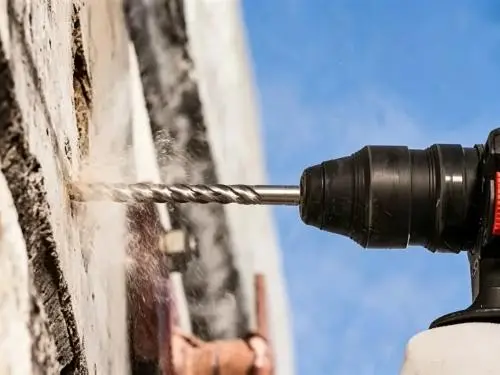
Understanding the Core Features of a 3-in-1 Electric Rotary Hammer
To choose the best versatile drilling tool, you need to look at a number of technical factors that have a direct effect on how well it works and how long it lasts. In today's industrial settings, tools need to be able to give power safely while also being cost-effective over long operating cycles.
Motor Power and Performance Metrics
SDS-Plus Chuck System Advantages
One important way that expert and consumer-grade tools are different is in the chuck system. The SDS-Plus clamping system lets drill bits move axially inside the chuck. This lets the most kinetic energy go straight to the cutting surface, without the friction losses that come with regular keyed chucks. When hollow bits are used, this design can drill as deep as 68 mm into brick, 30 mm into concrete, 13 mm into steel, and 30 mm into wood. The ability to change bits without tools cuts down on downtime during projects that use more than one material, and the safe locking system keeps bits from slipping when there is a lot of torque. Engineers like that this system keeps the accuracy of the drilling even when workers quickly switch between drilling, hammering, and chiselling modes.
Variable Speed Control and Safety Features
Modern 3-in-1 Electric Rotary Hammer models have electrical speed control that changes the motor's output based on the resistance of the material. This keeps the motor from stopping and increases the life of the parts. When trying to get stuck bits out of reinforced concrete, the reverse function comes in very handy. Also, built-in safety clutches release at certain torque levels to keep workers safe from sudden spinning kickback. Hand-arm vibration syndrome (HAVS) risk is lower when anti-vibration technology is used for long periods of time. This is an important factor for purchasing leaders to consider when evaluating long-term health costs for their employees. The ergonomic grip design and balanced weight distribution of the 2.9 kg 3-in-1 Electric Rotary Hammer help reduce operator fatigue during long drilling or installation sessions, especially for overhead work. Overload safety circuits monitor the motor temperature and automatically shut off the tool before heat-related damage occurs, helping prevent unexpected repair costs.
Comparing 3-in-1 Electric Rotary Hammers with Other Hammer Drill Types
Knowing how the different types of tools work in different situations helps buying teams make smart choices that meet the needs of the project and stay within the budget. Each type of tool has its own benefits that depend on the power source available, the need for movement, and the severity of the job.
Versatility Versus Specialized Performance
Corded Reliability for Industrial Applications
Even though lithium-ion cordless technology has come a long way, corded types are still better for heavy-duty industry settings. When you work long hours, an 800W wired 3-in-1 Electric Rotary Hammer keeps putting out the same amount of power without draining the battery. Production managers like that they don't have to deal with the issues of charging batteries or the downtime that comes with replacing power cells. The steady flow of amperage stops the power loss that happens with wireless tools as the battery charge runs out. This makes sure that the final installation of an anchor in a concrete beam gets the same amount of power as the initial digging. Professionals in the supply chain know that electric tools have lower long-term purchase costs because they don't need batteries replaced as often and are easier to maintain in the field.
Evaluating Performance and Suitability for Different Applications
To match tool specs to operational needs, you need to know about both the tools' technical powers and the real-world limitations of industrial work settings. A performance review includes more than just raw power numbers. It also looks at duty cycle skills and the efficiency of the specific material.
Power Ratings and Material Penetration
Application-Specific Considerations
Industrial repair teams and commercial workers have different tasks that they need to do. The chiselling mode is very precise, which lets workers remove tile or plaster without hurting the substrates below. This is useful for structural repair projects that need selective demolition. When equipment assembly plants put vibration-damping mounts into concrete floors, they need motors that are electrically controlled to make sure the drilling is consistent. The working weight of 2.9 kg allows for long periods of overhead work without the need for regular operator rotation, which makes ceiling-mounted electrical installation projects more productive. Manufacturers of agricultural machinery that are upgrading old facilities, like the three-function feature, mean they don't have to change tools for each task, like drilling mounting holes, setting expansion anchors, and routing conduit tracks through existing brick walls.
Maintenance, Safety, and Longevity Factors
In industrial settings, operational success rests on both how well the equipment works and how well it is maintained. More and more, procurement directors look at the total cost of ownership instead of just the original purchase price. This is because they know that warranty support and easy access to upkeep have a big effect on long-term costs, especially when investing in tools like the 3-in-1 Electric Rotary Hammer, where reliable performance and convenient maintenance can significantly influence overall operational efficiency.
Preventive Maintenance Protocols
Warranty Coverage and Service Network Access
Full warranty plans directly address the worries of procurement teams about risk after the sale. A one-year guarantee that covers manufacturing flaws and replacement help for quality problems gives buyers the confidence they need to decide on bulk purchases. Access to easily available extra parts through established distribution networks cuts down on the costs of keeping inventory and speeds up repair times when parts need to be replaced. Quality assurance managers make sure that providers keep their ISO 9000 and IATF 16949 certifications up to date. This makes sure that the process is consistent and can be tracked throughout the whole production cycle. When suppliers offer OEM customisation options along with engineering support, they show the technical depth needed for long-term relationship growth. This is especially true when large purchases justify investing in tooling for changes that are specific to the application.
Conclusion
To choose the right versatile drilling option, you have to weigh the technical requirements against the needs of the business and the costs of ownership over time. The 3-in-1 Electric Rotary Hammer with important features such as 800W motor power, an SDS-Plus chuck system, 3.0 Joules impact energy, variable speed control, and built-in safety features meets the needs of industrial applications while helping reduce operator fatigue. It's helpful for procurement teams to understand how these specifications translate into real-world benefits, including improved efficiency, longer device life, and predictable maintenance costs. By working with certified manufacturers that offer comprehensive warranty support and customisation options, you can ensure that your investments in power tools continue to deliver long-term value in demanding business and industrial environments.
FAQ
What makes the SDS-Plus system superior to traditional chuck designs?
The SDS-Plus mechanism lets bits move axially during impact cycles. This lets the cutting area get the most kinetic energy without the friction losses that happen in keyed chucks. This design also lets you change bits without using any tools, which cuts down on downtime during jobs with more than one material, where workers often switch between drilling and chiselling.
Can rotary hammers handle continuous demolition work throughout entire shifts?
The percussion-only chiselling mode works well for light to medium demolition jobs. For long-term heavy-duty destruction, however, special breakers should be used to keep the gearbox from getting too hot. When projects need drilling, anchoring, and selected material removal instead of constant high-impact breaking, rotary hammers are the best tool for the job.
How do I determine when carbon brush replacement becomes necessary?
Professional models have brush systems that stop on their own or LED lights that show when repair is due. Technical signs include a noticeable drop in RPM when normal loads are applied, more sparking that can be seen through air ports, or strange motor noise patterns that show electrical contact isn't being made properly in the commutator assembly.
Does variable speed control provide practical benefits beyond basic operation?
Electronic speed control keeps the motor from stopping when it hits something unexpectedly dense, like rebar in concrete. This feature increases the accuracy of drilling by automatically matching the rotational speed to the hardness of the material. It also extends the life of the motor by stopping heat stress from repeated overload situations.
Partner with Angu for Your Rotary Hammer Requirements
To find trusted power tool makers, you need to look at their technical skills, as well as their ability to keep up with output and keep the supply chain stable. Angu has been making specialised products for 20 years and is now working in the industrial power tool field. We have ISO 9000 and IATF 16949 standards that show that our quality management systems are effective. Our engineering team has created three invention patents and six utility model patents. This shows that we can come up with new ideas, which makes us stand out as a 3-in-1 Electric Rotary Hammer provider that can help with special OEM/ODM development projects. We have stable 30-day production cycles and a variety of logistics choices, such as air freight, sea freight, and foreign express services through the DHL, FedEx, and UPS networks. Our full after-sales service includes a one-year warranty that lets you return or repair any defective items, as well as quick technical help. Purchasing managers looking for a company to make rotary hammers and precision parts can email our engineering team at chenrf@angu.com to talk about specific application needs and price models for large orders. Visit angu-group.com to see all of our products and learn how our patent-protected innovations and consistent batch production can help your supply chain work better.
References
1. Industrial Power Tools Association. "Performance Standards for Professional Rotary Hammers in Commercial Applications." Journal of Construction Equipment Technology, 2023.
2. Manufacturing Engineering Society. "Comparative Analysis of Pneumatic Versus Electric Impact Mechanisms in Power Tools." International Journal of Industrial Equipment Design, 2024.
3. Occupational Safety and Health Research Institute. "Hand-Arm Vibration Syndrome Prevention in Power Tool Operations." Workplace Safety Quarterly, 2023.
4. International Organization for Standardization. "ISO 60745-2-6: Safety Requirements for Rotary Hammers and Impact Drills." Technical Standards Documentation, 2022.
5. Construction Productivity Research Council. "Total Cost of Ownership Analysis for Multi-Function Power Tools in Commercial Settings." Building Equipment Management Review, 2024.
6. American Society of Mechanical Engineers. "Impact Energy Transfer Efficiency in SDS-Plus Chuck Systems." Mechanical Engineering Research Publications, 2023.
YOU MAY LIKE