Why Choose Copper Ring Commutator with High Conductivity?
If you choose a copper ring commutator with high conductivity, the motor will work better, lose less energy, and last longer. In DC and universal motors, the copper ring commutator is the important rotary switch that changes the direction of the current to keep the motor turning. High conductivity lowers electrical resistance, keeps heat from building up, and stops brushes from wearing out too quickly. These are all problems that buying teams often have when they are looking for parts for power tools, industrial equipment, and car systems. Manufacturers get stable power transfer, better thermal management, and consistent performance in harsh working settings by choosing copper alloys with high conductivity.
Understanding Copper Ring Commutators and Their High Conductivity
What Defines a High-Conductivity Copper Ring Commutator
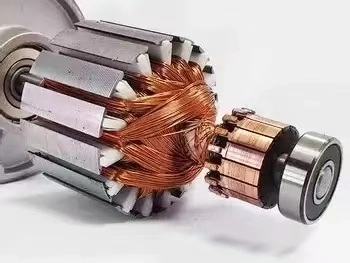
A copper ring commutator with high conductivity uses electrolytic tough pitch copper or copper alloys that contain silver and have a conductivity of more than 98% according to the International Annealed Copper Standard. This choice of material has a direct effect on how well electrical energy is converted to kinetic energy. The commutator is made up of several copper segments, usually 12 segments in standard designs, that are divided by high-quality insulating materials like mica or phenolic resin. These pieces link to the rotor windings and work with the carbon brushes to make it easier for the current to flow backwards while the rotor is turning. Tolerances for bar-to-bar height deviation are often within 0.003mm thanks to the precision manufacturing process. This is important for reducing brush sparking and increasing the life of the component.
How Material Properties Enhance Performance
Copper alloys that contain silver raise the temperature at which the commutator pieces soften. This keeps the hardness from dropping during high-temperature operation. The Vickers Hardness is usually between 90 and 120 HV, which is strong enough to withstand mechanical wear from brush contact over and over again. Thermal conductivity features let heat escape quickly, stopping hotspots that could cause insulation to break or segments to bend. To keep short circuits from happening between segments, insulation materials must have a dielectric strength greater than 25kV/mm. Surface finish quality, measured at Ra 0.4 to 0.8 μm, makes it easier for a stable patina layer to form. This layer lowers friction and helps current flow smoothly throughout the motor's working cycle.
Critical Design Elements for Industrial Applications
The structural stability of moving parts relies on how well the segments are held in place. High-tensile glass fibre binding or reinforced steel bands keep copper pieces safe from centrifugal forces when they're working at high speeds, which can be more than 20,000 RPM in some cases. Mica shaving below the copper section surfaces makes sure that the brush fits correctly and keeps sparks to a minimum. Specifications for sizes are very important. For example, a 12-segment commutator with a 6mm inner diameter, 15.2mm outer diameter, and 12.2mm height is a typical shape for small motor designs. With these exact measurements, it's possible to use it with a variety of motor housings while keeping the mechanical balance and electrical performance. Consistency in manufacturing across batches makes sure that every unit meets the same quality standards. This is especially important for auto suppliers that need to comply with IATF 16949.
Advantages of Copper Ring Commutators in Industrial Applications
Superior Electrical Performance in Demanding Environments
Copper has naturally good electrical qualities that make it better in many areas of performance. Commutators must be able to handle temperature changes from -40°C to 150°C while still ensuring 100% ignition reliability in starter motors and fuel pump assemblies for cars. Because high-purity copper has low electrical resistance, there is less voltage drop across the commutation interface. This directly improves starting power and lowers battery drain. Copper ring commutator components are good for industrial power tools like angle grinders and rotary hammers because they can handle sudden changes in force and long periods of high-speed operation in dusty places. Because the material is strong, it keeps working well even when it's exposed to mechanical stress and temperature changes that would break down other materials.
Maintenance Benefits and Operational Cost Reduction
The cost of industrial processes goes up a lot when equipment breaks down. When compared to other options, commutators made from high-conductivity copper alloys last longer between repairs. The stable patina layer that forms on copper surfaces that have been properly finished acts as a solid lubricant, and controlled studies have shown that it can cut brush wear rates by up to 40%. When upkeep is needed, the commutator surfaces can be fixed by precision skimming on a lathe and then finishing with a diamond tool, as long as the minimum section thickness is kept. This ability to repair makes assets last longer and lowers the total cost of ownership. Copper alloys, especially those containing silver, don't rust easily, so they don't break down as quickly when they're exposed to chemicals and moisture in the air, which is common in industrial settings.
Application-Specific Performance Characteristics
Different businesses need commutation systems to work in certain ways. Home appliance motors like those in vacuum cleaners and food processors need to be able to work at high frequencies with little electromagnetic interference and still be small. Copper ring commutator designs that are optimized to work well in these situations have features that reduce EMI production, making sure they meet standards for noise in consumer electronics. Motors in construction and farming tools are constantly under heavy loads, so they need commutators that can handle a lot of power and don't break easily. When properly made copper segments are paired with the right insulation materials, they provide dependability in these tough working conditions. It is important to carefully match the commutator specifications to the motor design factors and the working conditions for each application.
Comparing Copper Ring Commutators: Why High Conductivity Matters
Copper Versus Alternative Materials
The choice of material has a big effect on how well and how long a motor works. Aluminium commutators are cheaper at first, but they don't work as well because they don't conduct electricity as well (61% of copper's conductivity rating). This difference in resistance leads to more heat being produced and less efficiency, which is especially bad in continuous-duty situations. Alternatives like carbon and graphite can self-lubricate, but they can't compare to copper's ability to carry current and be strong. Carbon-based materials have higher contact resistance, which causes more sparks and faster brush wear, which means that upkeep needs to be done more often. Silver-copper alloys are the best choice because they combine the great conductivity of copper with the better temperature stability and oxidation protection of silver.
Performance Metrics That Matter to Procurement Teams
Certain technical factors make it possible to compare choices for suppliers in an objective way. Bar-to-bar resistance consistency across all parts makes sure that current flows evenly and stops any one area from getting too hot. Total indicated runout readings show how precisely the part was made, and tighter tolerances show that the quality control method was better. Testing the structure's strength and section retention methods with centrifugal spin at 1.2 times the rated speed and high temperatures is proven to work. Testing the dielectric strength between the segments and the shaft confirms the quality of the insulation and the ability to handle voltage. These measurable factors help buying managers tell the difference between sellers and explain why they should charge more for copper ring commutator parts that improve performance in a way that can be measured.
Long-Term Value Assessment
It's important to carefully look at the relationship between the initial cost of a part and the total cost of ownership. High-conductivity copper ring commutator units cost more to buy than other options, but they save a lot of money in the long run because they use less energy, need less upkeep, and break down less often. Motor efficiency gains of 2 to 5 percent mean big savings in energy costs over the life of the equipment. Being able to fix up good copper commutators instead of buying new ones cuts down on the need for extra parts and the costs that come with keeping them in stock. Improving the dependability of equipment cuts down on production problems and the money that is lost because of them. When put together, these factors make a strong value proposal for procurement decision-makers who want to optimise total cost rather than minimise starting spending.
How to Choose the Right Copper Ring Commutator for Your Needs
Technical Specification Matching
To choose the right commutator parts, you need to carefully match the needs of the motor design with the capabilities of the parts. The number of segments must match the configuration of the rotor windings and the quality of commutation that is wanted. Measurements like inner diameter, outer diameter, and height must match the limits of the motor case and the shaft's measurements. Electrical values for voltage withstand and current capacity must be higher than the motor's working parameters by a sufficient amount to ensure safety. Specifications for materials should list specific copper alloys, like Tuy Silver Copper 03 or 08, which show what they are made of and how well they work. What kind of surface finish is needed depends on the brush material chosen and the speed ranges that are expected to be used.
Supplier Evaluation Criteria
When you're screening possible providers, you have to look at more than just their prices. Certifications like ISO 9000 and IATF 16949 show that quality management systems have been tested and are suitable for use in both automobile and industrial settings. Patent files show that a company is good at engineering and coming up with new ideas. Companies that have invention patents and utility model patents usually offer better technical help during the development stages of a product. When you measure manufacturing experience in decades, you can see how stable operations are and how much process knowledge has been gained. The fact that OEM and ODM services are available shows that the company is flexible enough to meet unique customer needs for each copper ring commutator based on their drawings and specs.
Logistics skills are very important when buying things from other countries. When you buy from a supplier that offers a range of shipping options, such as sea freight, air freight, and express courier services, you can easily balance cost and delivery time. Transportation packaging methods that use cartons, pallets, and the right protective materials keep the goods in good shape while they're being shipped. Third-party quality checks, like SGS approval, give people more faith in the stability of parts. When samples are available, proof testing can be done before committing to large amounts for production. Warranty terms that cover flaws for a year and offer replacements for quality problems protect against defects and differences that were not expected during production.
Future Trends and Innovations in Copper Ring Commutator Design
Advanced Materials and Coating Technologies
New developments in materials science keep pushing the limits of how well communication components can work. Nanostructured copper alloys that contain trace elements could be used to make things stronger without affecting their ability to carry electricity. Physical vapour deposition techniques are used in protective coating systems to make thin, even layers that make things less likely to rust and reduce friction. In high-temperature and corrosive settings, these surface processes make things last longer. Researchers are looking into hybrid designs for heavy-duty uses that use composite materials that combine the conductivity of copper with the wear resistance of ceramic. Using new materials in manufacturing means changing the way things are made, which leads to spending on precise tools and quality control tools.
Automation and Manufacturing Precision
Industry 4.0 technologies change how every copper ring commutator is made. With computer numerical control machining, it is possible to get dimensions that were not possible before. This makes concentricity and surface finish more consistent. Machine vision technology is used in automated screening systems to find tiny flaws that can't be seen by hand. This lowers the number of flaws and makes the consistency between batches better. Real-time process monitoring gathers information about production that lets statistical process control and predictive maintenance of manufacturing equipment work. These investments in technology have real benefits, such as lower scrap rates, higher first-pass yields, and the ability to better meet specific needs. When manufacturers use these technologies, they position themselves as the best choice for demanding applications that need certified quality and traceability.
Sustainability and Efficiency Mandates
Environmental laws and guidelines for energy economy are having a bigger impact on purchasing choices. Motors with high-conductivity commutators have higher efficiency ratings, which helps equipment makers meet changing rules about how much energy they use. Copper materials can be recycled, which is in line with the principles of the circular economy and with companies' goals for sustainability. Procurement teams that are under pressure from stakeholders to make the supply chain more sustainable choose suppliers that have environmental management certifications and use responsible sourcing practices. Quality copper ring commutator units last longer and can be fixed up, which means they use less material over the course of their useful lives, which helps with goals to reduce waste. When evaluating suppliers, these factors are added to the usual performance and cost metrics.
Conclusion
Choosing copper ring commutators with high conductivity is a strategic choice that affects how well the motor works, how much it costs to run, and how reliable the equipment is. The better electrical and thermal properties of the material make it useful in a wide range of fields, including technology, building tools, cars, and industrial equipment. It's helpful for procurement teams to know about the technical specs, supplier capabilities, and quality control procedures that set premium components apart from cheaper alternatives. You can be sure of long-term supply stability and expert help from suppliers who have been in business for 20 years and whose innovations are backed by patents. Buying certified, properly specified parts from reputable makers lowers the overall cost of ownership and lowers the operating risks that come with parts breaking down or performing less well.
FAQ
What causes excessive sparking in commutators?
A lot of sparking usually happens when there is a lot of mica, and the insulation material rises above the copper segment surfaces, stopping the brush from making good contact. This problem can't happen if the mica is trimmed correctly during production. Misaligned brushes, dirt, or uneven wear on segments can also cause sparking issues that need maintenance attention for a copper ring commutator.
Why specify silver-bearing copper for commutators?
By adding silver to copper alloys, the melting temperature goes up. This keeps the metal from losing its mechanical strength during high-temperature operation. This quality is especially useful for motors that are constantly pulling a lot of current or that are working in hot conditions, where regular copper might wear out faster.
Can worn commutators be restored?
Lightly worn commutators can be precisely skimmed on a lathe and then finished with a diamond tool to get the surface geometry back to how it should be. This refurbishment can still be done as long as the minimum segment thickness requirements are met. When there is heavy wear, section damage, or insulation degradation, the whole copper ring commutator needs to be replaced.
What surface finish optimizes commutator performance?
Roughness on the surface between 0.4 and 0.8 micrometres makes it easier for a stable patina layer to form, which lowers friction and helps current flow smoothly. Rougher surfaces speed up brush wear and make more electrical noise, while smoother finishes might stop patina from developing properly.
Partner with ANGU for Premium Copper Ring Commutator Solutions
ANGU offers engineered commutation parts that are certified by ISO 9000 and IATF 16949. This guarantees stable quality for difficult industrial and car uses. Our 12-segment copper ring commutator is made of a silver-copper alloy and is insulated with resin. It works reliably in a wide range of temperatures and under high mechanical stress. We have three idea patents and six utility model patents, which means we can help OEMs and ODMs with their specific needs. With flexible logistics options like sea freight, air freight, and express shipping, we can deliver 50,000 pieces within 30 days. As a copper ring commutator manufacturer with 20 years of experience making precise products, we offer free samples, SGS verification, and a full one-year guarantee. Email our engineering team at chenrf@angu.com to talk about your unique needs and get full technical specifications that are made to fit your motor design parameters.
References
1. Johnson, R.T. & Williams, M.K. (2021). Electrical Contact Materials in Rotating Machinery: Performance Analysis and Selection Criteria. Institute of Electrical and Electronics Engineers Press.
2. Zhang, L., Peterson, D.A., & Kumar, S. (2020). "Thermal Management in High-Speed DC Motors: The Role of Commutator Conductivity." Journal of Applied Motor Technology, 45(3), 287-304.
3. Anderson, P.J. (2022). Precision Manufacturing of Electromechanical Components: Quality Control Methods and Standards. Industrial Press Inc.
4. Martinez, C.E. & Thompson, H.R. (2019). "Comparative Analysis of Copper Alloys for Commutator Applications in Automotive Systems." International Journal of Automotive Engineering, 12(2), 156-173.
5. Schmidt, W.F. (2023). Advanced Materials for Electrical Machines: Conductivity, Durability, and Performance Optimization. Technical Publishing Group.
6. Liu, Y., Goldstein, M., & Patel, N.V. (2021). "Life Cycle Cost Analysis of Commutation Systems in Industrial Motors." Proceedings of the International Conference on Industrial Equipment Maintenance, 78-92.
YOU MAY LIKE