All You Need to Know about Magnet for motor rotor
When people talk about what makes modern electric motors work, they always come back to one important part: the magnet for motor rotor. This simple-looking permanent magnet is made from Ferrite, Neodymium Iron Boron (NdFeB), or Samarium Cobalt (SmCo). It's not just a magnet, though. It makes the magnetic field stay the same, which reacts with the stator windings to make torque through electromagnetic forces. Working for 20 years with auto suppliers and industrial equipment makers, I've seen how choosing the right rotor magnet can take a motor's efficiency from average to great, pushing performance limits toward IE4 and IE5 energy standards while completely eliminating rotor copper losses. This guide tells procurement managers, R&D engineers, and quality assurance teams everything they need to know to make smart decisions about where to buy things.
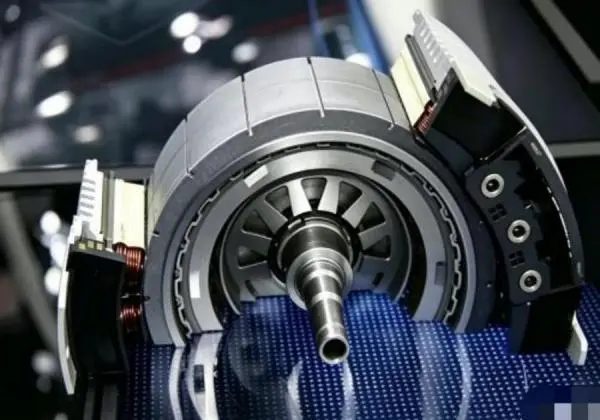
Understanding Motor Rotor Magnets – Basics and Working Principles
In permanent magnet synchronous motors (PMSM) and brushless AC motors, the magnetic field is made by the magnet for the motor rotors. Rotor magnets create a steady magnetic field that reacts directly with the rotating magnetic field created by the stator coils. This is different from regular induction motors, which use electromagnetic induction. This contact creates torque, which is a much more efficient way to turn electrical energy into mechanical motion.
Core Materials and Their Magnetic Characteristics
Because they are so magnetically strong, Neodymium magnets are used in most high-performance applications. These rare-earth magnets have the highest power density of any magnets on the market. Their remanence (Br) values range from 1.1T to 1.48T, and their maximum energy product (BHmax) values can reach up to 52 MGOe. Samarium Cobalt is very stable at temperatures up to 350°C, which makes it perfect for use in high-temperature industrial settings and in spacecraft. Ferrite magnets have lower magnetic strength, but they are cheaper and don't rust, which makes them a good choice for low-cost uses like home products and basic industrial motors.
Magnetization and Field Configuration
Magnet for motor rotor: How magnetic domains align within the material is controlled by the magnetization process. This has a direct effect on the size and spread of the field. For surface-mounted rotor designs, radial magnetization works best. For internal permanent magnet (IPM) designs, parallel magnetization works better. Engineers can improve torque density and cut down on cogging effects that cause noise and shaking when motors are running by understanding these trends.
Comparing Magnet Types for Motor Rotors – Making the Right Choice
To choose between Neodymium, Samarium Cobalt, and Ferrite magnets, you have to weigh a lot of different performance factors against the needs of the product and your budget. Neodymium magnets are great for uses that need to have a high torque density in a small space. For example, high-speed CNC spindles, robotics servos, and traction motors for electric vehicles all benefit from their better magnetic strength. But because they are sensitive to temperature, they need to be carefully managed. Standard N-grade Neodymium stops working above 80°C, but special SH, UH, and EH grades can work at temperatures up to 150°C by adding Dysprosium or Terbium to heavy rare-earth compounds.
In harsh settings where temperature stability is more important than cost, Samarium Cobalt magnets really shine. Their intrinsic coercivity (Hcj) stays the same across a wide range of temperatures, so they don't lose their magnetic properties even when they're under high current loads that would damage Neodymium options. SmCo is naturally resistant to rust, which makes it a good choice for industrial uses that will be exposed to chemical cleaners or hydraulic fluids for a long time.
Ferrite magnets are useful for uses that need to save money and don't have to be very precise about size and weight. Because they have less energy, they need bigger magnet for motor rotors, but they don't rust and work well in a wide range of temperatures, so they are good choices for HVAC fans, water pumps, and basic e-bike motors.
When we compare electromagnets and permanent magnets for spinning uses, it's easy to see which is better. Permanent magnets don't need constant electricity input to keep their magnetic fields strong. This means they use a lot less energy and produce a lot less heat. This means that the motor will work more efficiently overall, need less cooling, and be easier to build since it won't have any slip rings or brush systems.
Procurement Guide – How to Source Quality Motor Rotor Magnets
To find an effective magnet for motor rotors, you need to carefully evaluate suppliers in a number of different ways. Quality assurance starts with certification standards. Look for companies that have ISO 9000 and IATF 16949 licenses, which show that they have developed quality management systems and can make parts for cars. These certificates aren't just pieces of paper; they're important for batch consistency because they include systematic process controls, traceability procedures, and frameworks for ongoing growth.
Critical Supplier Evaluation Criteria
Assessing a company's ability to make things goes beyond just visiting the plant. Ask for full tolerance specs and information on how to calibrate measuring tools. To keep the rotor balanced and stop shaking problems, high-quality rotor magnets need tight control over their dimensions—often within ±0.05mm limits. Suppliers should give detailed information about geometric accuracy, such as the outer arc radius, the inner arc radius, the radial height, the width, the axial length, the angle tolerances, and the axial length. Arc segment magnets that we make have an outer arc radius of R36 (+0.2/-0.1) mm, an inner arc radius of R28.3 (+0.3/0) mm, a radial height of 22 (+0/-0.4) mm, a thickness of 7.6 (+0/-0.2) mm, an axial length of 62 ±1 mm, an axial width of 50 (+0/-1) mm, and an angle of 90° ±2°. They are designed for electric vehicle motors, industrial motors, e-bike and scooter motors, and generator rotors.
Magnet for motor rotor patent files shows real ability to come up with new technologies. Manufacturers who have invention patents and utility model patents show that they know a lot about tech beyond just making things. This is especially important for OEM/ODM projects that need to optimize the design or use unique magnetization patterns.
Lead Times and Logistics Flexibility
Knowing what reasonable output plans are can help you avoid costly supply chain delays. Standard samples usually take 10 to 15 days, while large orders take 35 to 40 days from the time they are confirmed to the time they are shipped. Established makers offer a variety of shipping options, including sea freight for low-cost mass exports, air freight for orders that need to be delivered quickly, and international express (DHL, FedEx, UPS) for prototype deliveries. This gives buying teams the freedom to find the best mix between costs and project deadlines.
Packaging standards should be looked at for more than just keeping things safe during shipping. Magnets stay magnetic during international shipping as long as they are packed in the right way, which keeps them dry, shock-proof, and impact-resistant. Neutral packaging gives you options for private marking, and custom packaging helps you meet the needs of brand appearance.
Verification and Quality Assurance
Third-party testing results from approved labs (RoHS, SGS, REACH) confirm the composition of the material and make sure it is safe for the environment. Ask for full test reports that cover the magnetic qualities (Br, Hcj, BHmax), accuracy in measurements, coating stickiness, and resistance to salt spray. Reliable sellers are happy to give these reports and are open to quality checks from people who might want to work with them in the future.
Customization shows how skilled and flexible a seller is when it comes to making things. It shows that the company has good production management and technical support if they can make magnets from customer models, change standards to fit specific application needs, and offer post-processing services like special coatings or custom magnetization patterns. We offer full customization services that let you choose your own sizes, standards, and performance levels based on models or samples. We also offer post-processing services like coating the surface and magnetizing it.
Applications and Case Studies: Real-World Use of Motor Rotor Magnets
The most difficult place for magnet for motor rotors to work is in the powertrains of electric vehicles. Traction motors have to be able to deliver a lot of torque over a wide range of speeds, from stopping and starting to highway speeds that never go below 15,000 RPM. They also have to be able to handle a lot of vibration, temperature changes from -40°C to 180°C, and electromagnetic stress from fast current changes during regenerative braking. These problems can be solved by Neodymium magnets that use grain boundary diffusion (GBD) technology. This technology raises coercivity without lowering remanence, which keeps the magnets from losing their magnetic field during peak current events.
For fine positioning control, industrial automation and robotics servos need very little cogging torque. In this case, magnet segmentation is very important. Splitting bigger magnets into smaller arc segments lowers eddy current losses during high-frequency operation. This keeps heat from building up, which would otherwise make positioning less accurate. Magnets are protected against industrial oils and chemical cleaners that are common in production settings by special Epoxy or Everlube coatings.
Magnets in renewable energy systems, especially direct-drive wind turbine engines, need to be able to keep working well over thousands of job cycles and different loads. Megawatt-scale turbines have big rotor diameters that cause strong centrifugal forces. To keep the dynamic balance, it is important to keep the mechanical stability and the magnetic weight distribution constant. Manufacturers offer matching sets of magnets with consistent specs that make sure rotor units meet G2.5 or better balance grades. This keeps bearings from wearing out too quickly and causing failures due to vibration.
Rotor magnets that are properly defined last a long time and work consistently well in hydraulic systems and construction equipment. Agricultural equipment works outside in harsh conditions like changing temperatures, being wet, and being contaminated by dirt and crop waste. Magnets with a multi-layer Ni-Cu-Ni coating can survive these conditions and keep their magnetic qualities for longer periods of time between service intervals. This lowers the frequency of upkeep and the total cost of ownership.
Conclusion
To choose the right magnet for motor rotors, you need to know about the material's features, the application's needs, and the supplier's abilities. Neodymium magnets offer the best performance in small packages, Samarium Cobalt magnets keep their shape in harsh settings, and Ferrite magnets are a cheap option for moderately demanding tasks. To make a good buying decision, you need to think about magnetic specs, dimensional limits, thermal management, and the total cost. Working with ISO 9000 and IATF 16949 qualified makers guarantees stable quality, on-time deliveries, and expert help for the entire lifecycle of the product. As motor efficiency standards keep moving toward IE5 levels, it becomes more and more important to work with skilled magnet suppliers to stay ahead of the competition in markets like electric vehicles, industrial automation, and green energy.
FAQ
What distinguishes rotor magnets from stator magnets?
Rotor magnets are attached to the spinning shaft and create a steady magnetic field that reacts with the stator windings. Stator magnets, which aren't used very often in AC motors, stay in place while moving coils work in certain types of motors, such as axial flux motors.
How does temperature affect magnet performance?
When the temperature goes up, both remanence (Br) and coercivity (Hcj) go down. The temperature factors for Neodymium magnets are about -0.11%/°C for Br and -0.6%/°C for Hcj. When engineers build motors, they have to take these differences into account and choose the right magnet for motor rotor types (N, M, H, SH, UH, EH) based on the temperatures at which the motors will be used.
Can Ferrite magnets replace Neodymium in existing designs?
Because Ferrite has a smaller energy output, direct substitution usually isn't possible. To switch from Neodymium to Ferrite, the rotor shape needs to be changed so that it can hold bigger magnet volumes while keeping the same magnetic flux density and motor performance.
How do you prevent demagnetization during peak current events?
Resistance to demagnetization is given by high intrinsic coercivity (Hcj). The grain boundary diffusion technology raises the coercivity without lowering the remanence. When thermal management is done right, temperature changes that would lower coercivity briefly during current jumps are stopped.
Why segment magnets in rotor assemblies?
During high-frequency operation, segmentation cuts down on eddy current losses and heat production. In variable-frequency drive uses, smaller arc segments limit the conductive routes that can be used for induced currents. This improves efficiency and heat performance.
Partner with Angu for Your Motor Rotor Magnet Needs
Angu has been making high-quality magnet for motor rotors for 20 years and is a known source around the world. Our ISO 9000 and IATF 16949 certifications ensure quality that meets automotive standards, and our collection of 3 invention patents and 6 utility model patents shows that we are truly innovative in the way we use technology. We can send normal samples in 10 to 15 days and full orders in 35 to 40 days. Our logistics are flexible, and we offer choices for sea freight, air freight, and international express. You can use your plans or samples to get custom measurements, tolerances, and performance grades from our OEM/ODM services. We can also add special coatings and magnetization patterns after the fact. Every shipment comes in shock-proof and moisture-proof packaging, and if you ask, we can give you third-party test records from RoHS and SGS. Our one-year guarantee and prompt replacement policy will protect the money you spend on buying. Email our engineering team at chenrf@angu.com to talk about your unique motor rotor magnet needs and find out how our technical know-how can help you improve the performance of your motor and the stability of your supply chain.
References
1. Cui, J., Kramer, M., Zhou, L., Liu, F., Gabay, A., Hadjipanayis, G., Balasubramanian, B., & Sellmyer, D. (2018). Current progress and future challenges in rare-earth permanent magnets. Acta Materialia, 158, 118-137.
2. Gutfleisch, O., Willard, M. A., Brück, E., Chen, C. H., Sankar, S. G., & Liu, J. P. (2011). Magnetic materials and devices for the 21st century: Stronger, lighter, and more energy efficient. Advanced Materials, 23(7), 821-842.
3. Zhu, Z. Q., & Howe, D. (2007). Electrical machines and drives for electric, hybrid, and fuel cell vehicles. Proceedings of the IEEE, 95(4), 746-765.
4. Brown, D., Ma, B. M., & Chen, Z. (2002). Developments in the processing and properties of NdFeB-type permanent magnets. Journal of Magnetism and Magnetic Materials, 248(3), 432-440.
5. Coey, J. M. (2020). Permanent magnets: Plugging the gap. Scripta Materialia, 67(6), 524-529.
6. Sepehri-Amin, H., Ohkubo, T., & Hono, K. (2013). Grain boundary structure and chemistry of Dy-diffusion processed Nd-Fe-B sintered magnets. Journal of Applied Physics, 107(9), 09A745.
YOU MAY LIKE