Auto Commutator: Types, Working Principle and Applications
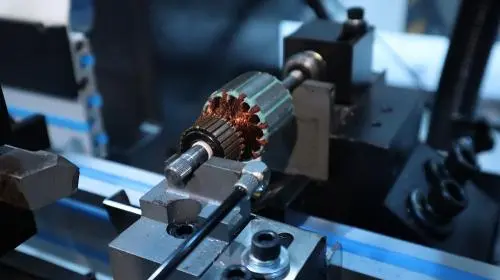
Auto commutators are highly developed rotating switches that are built into the armature of DC motors and generators. They change the direction of the current between the external circuit and the rotor windings. In automobile, industrial, and computer settings, this part makes sure that torque is always being generated or electrical energy is being made. In automotive uses, these Auto commutators solve important problems like carbon brush wear that happens too quickly, electromagnetic interference in sensitive vehicle electronics, and mechanical failure at high RPMs. Modern Auto commutators use high-tech metals and precise shaping to keep the electrical contact stable in engine areas that are rough and vibrate a lot.
Understanding Auto Commutators: Definition and Working Principle
What Differentiates Auto Commutators from Manual Alternatives
The main difference between Auto commutators and human commutators is how they automate operations and make the design better. Auto commutators have self-regulating mechanisms that adapt to changing speed and load conditions without the need for human action. On the other hand, manual commutators need to be adjusted and watched over time. This automation makes things more reliable across a wide range of operating patterns while also making upkeep easier. Twenty years of experience in manufacturing have shown that automatic designs cut down on unplanned downtime in high-duty-cycle uses by a large amount.
Core Components and Mechanical Configuration
The Auto commutator system is made up of several important parts that work together. The conducting surface is made up of pieces of copper or a silver-copper alloy that are grouped radially around an insulating core in the middle. Usually, glass-fiber strengthened phenolic molding materials are used in this core, which gives it a dielectric strength of more than 3000V. Electrical cross-talk is stopped by mica insulation that divides the different parts. Riser tabs link the segments to the rotor windings. During spinning, these tabs must be able to handle centrifugal pressures. The surface hardness is between 90 and 120 HV, which is the right range for both wear resistance and electrical conductivity. Our ISO 9000 and IATF 16949 standards make sure that the sizes of our products stay stable within 0.05 mm.
Electrical Function and Current Reversal Mechanism
When the motor is running, the fixed carbon brushes touch the surface of the spinning Auto commutator. The Auto commutator changes the direction of the current through the windings every time the rotor makes a half-turn. This reversal keeps the magnetic field aligned with the stator, which makes a rotating force that never stops. In generator mode, the same part of the machine turns mechanical spinning into DC pulses. The number of poles, the speed of spin, and the switching frequency are all immediately related. Sparking is kept to a minimum by using the right segment spacing and brush placement. Sparking can cause electromagnetic interference that can damage sensitive car electronics and indicator clusters.
Material Selection and Engineering Considerations
In tough situations, Auto commutator silver-copper combinations are clearly better than pure copper. Because it has silver in it, the recrystallization temperature goes up. This keeps the segments from softening during high-heat gluing or high operating loads. Copper types that don't contain oxygen are better at conducting electricity while still being strong. The phenolic core material needs to keep its shape well when temperatures change from -40°C to +150°C, which is normal in vehicle settings. Our engineering team uses three idea patents and six utility model patents to find the best mixtures of materials. In car testing methods, these materials have been shown to last more than 150,000 miles.
Types of Auto Commutators and How to Choose the Right One
Classification by Structural Design
Auto commutators are broken down into different structure groups based on how they are made and what they are used for. During high-pressure molding, molded Auto commutators insert copper pieces straight into the phenolic core. This makes a single unit that is not affected by temperature cycling. For higher current uses, shell-type designs use a cylinder-shaped copper sleeve with insulation holes. Ring Auto commutators have radial pieces that are held in place by mechanical retention, which makes field repair easy. Planar Auto commutators arrange segments in a flat disk shape, which shortens the axial length in setups with limited room. Each design makes choices about how to balance different factors like cost, heat function, and ease of use.
Comparison with Alternative Switching Technologies
When comparing Auto commutator systems to other options, there are a number of things that affect the choice. Slip rings keep an electrical connection going without switching polarities. They work well for AC uses or sending data, but they can't support DC motor action. Solid-state electrical processors get rid of all mechanical switching, which makes them more reliable and eliminates brush wear. But electrical systems are harder to use and cost more. This is especially true for high-current car starter motors, where mechanical Auto commutators can safely handle surge currents of more than 800A. The decision depends on the current capacity needs of the application, the working environment, and the total cost over the duration of the product.
Critical Evaluation Criteria for Procurement Teams
When choosing Auto commutator providers, people who work in procurement should look at a number of performance factors. Bar-to-bar resistance uniformity within 1% makes sure that current flows evenly and prevents heating in certain areas. Tolerances in surface concentricity affect the security of brush contacts and the amount of noise they make. This is especially important in HVAC systems for passenger cabins. When parts of a fuel pump are buried in gasoline or diesel, chemical protection is important. Corrosion resistance for long-term contact to chemicals used to melt ice on the roads has been proven through salt spray tests. Our 30-day delivery plan and flexible transportation choices, such as air freight, sea freight, and express carriers, meet the needs of the global supply chain.
Leading Suppliers and Distribution Considerations
Auto commutator technology is still a strong suit for major industry players. Siemens puts a lot of emphasis on full technical data and interaction with drive systems. ABB works on big industrial uses that need strong mechanical designs. Bosch focuses on making parts for cars and offers a lot of help with application engineering. When procurement teams look at suppliers besides those with well-known brands, they should check that they have IATF 16949 approval for car uses, read through the warranty terms, and see if the suppliers can do OEM/ODM customization. Suppliers that let engineers work together during the design process avoid costly standard errors and speed up the time it takes to get a product on the market.
Applications of Auto Commutators in Industries
Automotive Starter Motor Requirements
In automobile systems, starter motors are the most demanding place for Auto commutators to be used. To get the engine going after a cold start, these motors draw huge surge currents while making a lot of power. The Auto commutator has to deal with electrical loads of more than 800A for a short time, as well as mechanical shocks from the pinion engagement device. Extreme temperatures make these problems even worse, especially in the north, where the temperature under the hood can change by 100°C from summer to winter. Our plans for the silver-copper segments keep their electrical integrity through these temperature changes. This was proven by thermal shock cycling between -40°C and +150°C.
Electric Fuel Pump Specialized Designs
Chemically aggressive conditions make it necessary to choose special materials for submerged fuel pump motors. Hydrocarbons can damage the Auto commutator, and sparks that could set fuel vapors on fire in strange situations must be stopped. Anti-static glue mixtures lower the risk of static electricity. Coatings that are resistant to chemicals protect the sides of segments without affecting their ability to carry electricity. These pumps work all the time while the car is running, so they accumulate a lot more job cycles than parts that only work sometimes. If you don't remove the mica at the right depth, carbon dust can build up and form conductive paths between segments, which can lead to short circuits and pump failure.
HVAC and Wiper System Performance
The motors that power climate control fans and window wipers are designed to be quiet and reliable for long periods of time. In high-end cars, customers worry about noise from the Auto commutator swapping. Precision section machining and balancing armature parts keep the vibrations from getting into the passenger area to a minimum. These motors run a lot, especially in areas with four seasons, where heating and cooling systems work all year. Our glass-fiber strengthened cores keep their shape, which stops section shift that would make electrical noise and brush wear worse. We offer a one-year promise because we are sure it will work well in these tough situations for a long time.
Emerging Electric Vehicle Integration
Battery electric cars give the auto commutator technology both new challenges and problems to solve. Small, energy-efficient DC motors are needed for extra systems like water pumps, brake vacuum pumps, and temperature management parts. These systems need to work with high-voltage powertrains without causing electromagnetic interference that stops car data networks from working. Miniaturization is driven by efforts to cut down on weight while keeping power efficiency the same. Our engineering team works with EV makers to make the best Auto commutator designs for applications with limited space. They use our patent collection to come up with new ideas that combine performance, packaging, and cost goals.
Auto Commutator Maintenance and Troubleshooting Guide
Preventive Maintenance Best Practices
Regular inspections greatly increase the Auto commutator's useful life. Glazing, lines, or stains that show too much wear or electrical arcing should be seen visually. Measuring the Auto commutator surface runout with a scale indicator shows whether the bearings are worn or the armature is out of balance. The mica insulation between the segments should be about 0.5 mm below the surface of the copper. Too much extension speeds up brush wear and reduces the contact area. Using the right chemicals to clean gets rid of carbon buildup and oil contamination that gets in the way of electrical contact. These steps only take a short time, but they keep tools from breaking down early, which delays production.
Common Failure Modes and Early Detection
Several failure patterns show up over and over again in different Auto commutator applications. When there is too much heat, the phenolic core breaks and the segments become loose. This can be seen by increased vibrations or electrical connections that come and go. If the brush pressure isn't right, the contact area decreases, which causes localized heating that accelerates wear. Bar rising happens when pieces move off the core surface because of thermal expansion or insufficient resin bonding. This issue is avoided through high-tonnage molding tools used during production and post-sealing heat treatment processes. Part of our quality control process includes using strong salt spray testing to identify any potential corrosion issues in parts before they reach the customer's facility.
Systematic Troubleshooting Methodology
Systematic diagnosis is a good way to find the root cause of poor motor function. Brush spring force should be between 2 and 4 pounds, according to the manufacturer's instructions. Check the length of the brush; it needs to be replaced when it's about half of its original size. Use a precision milliohmmeter to check the segment-to-segment resistance. Variations that are higher than what is allowed are a sign of contamination or insulation breakdown. Check the pattern of brush contact across the width of the Auto commutator. Uneven wear could mean that there are alignment issues or an imbalance in the armature. These measures tell you whether replacing just the brushes is enough or if you need to replace the whole Auto commutator. This keeps repair costs low while making sure the equipment works reliably again.
Procurement Insights: How to Buy Auto Commutators for Your Business
Sourcing Strategy for Volume Requirements
To buy Auto commutators in bulk, you need to make sure that the supplier's skills match your business needs. Setting up long-term OEM/ODM deals helps keep prices stable and gives your production schedule more priority. When you make a volume promise, you can lower costs and make sure that capacity is used during times of high demand. Our history of working with Tier 1 and Tier 2 car suppliers in manufacturing shows that we are ready for repeat orders with set delivery dates. Being able to make things based on plans and specs from customers gets rid of problems with tolerance stack-up and speeds up the integration into your assemblies.
Supply Chain Coordination and Lead Time Management
Setting realistic wait times is the first step in coordinating the supply chain well. Custom Auto commutator designs usually take 30 days from the time the order is placed until it is delivered, which includes making the tools, getting the materials, and making sure the quality is good. Standard versions may be able to ship more quickly from stock. International logistics choices affect the total travel time. For example, ocean freight is the least expensive way to send large amounts of goods, while air freight is faster for urgent needs. Because we work with DHL, FedEx, and UPS, we can offer creative options that balance speed and cost. Purchasing teams should keep extra supplies on hand in case of sudden increases in demand. This will keep production from being interrupted.
Cost Analysis and Price Negotiation
Knowing how the Auto commutator price works helps you negotiate better. The prices of copper and silver on the market affect the costs of raw materials, which in turn affect the costs of base components. Tighter precision and specialized finishes make manufacturing more difficult. Volume savings are based on economies of scale in buying materials and paying for setup. Quality standards, such as IATF 16949, bring higher prices but lower the chance of failure in the field. When comparing quotes, you should figure out the total cost of ownership, which should include warranty support, the ability to get new parts, and expert help. When you mix our low prices with stable product performance and full after-sales service, you get the best value throughout the entire procurement process.
Conclusion
Auto commutators are still very important in DC motor use in the business, industrial, and automotive fields. Procurement teams and engineers can choose the best options if they know how they work, how their structures vary, and what the unique needs of each application are. As material science progresses, performance, longevity, and dependability keep getting better in situations that are getting harder to handle. Maintenance that is done correctly extends the life of an operation, and thorough fixing cuts down on downtime. Long-term success in competitive markets depends on strategic relationships between suppliers and certified makers that offer engineering teamwork, flexible shipping, and full warranty support.
FAQ
Why choose silver-copper alloy over pure copper in commutator construction?
The recrystallization temperature goes up with silver-copper alloys. This keeps segments from melting during high-heat soldering or peak operating loads. This choice of material keeps its mechanical integrity and electrical conductivity even when it goes through thermal cycling. This makes it last longer in challenging industrial and automobile settings. Pure copper is very conductive, but it can't handle high temperatures like current high-performance motors need.
What causes the bar to rise, and how can manufacturers prevent it?
Bars rise when they get too hot or when the glue between the copper pieces and the phenolic core doesn't bond well enough. Changes in temperature during action cause differential growth. This doesn't happen because manufacturers use high-tonnage casting presses that make sure all the resin gets into the part and heat processes after the part has cured, which keep it stable. Tough quality control during production gets rid of this way of failing parts before they get to customers.
How does commutator quality affect vehicle electromagnetic compatibility?
Brush sparking is made worse by a rough surface or an uneven section, which causes electromagnetic radiation that damages sensitive car electronics. Modern cars have a lot of computer control units that talk to each other over CAN bus networks, which can pick up EMI. Precision machining keeps the concentricity of high-quality Auto commutators within 0.05 mm tolerances, which prevents interference and ensures clean electrical switching and compatibility with complex car electronic designs.
Partner with Angu for Reliable Auto Commutator Solutions
Angu is your go-to Auto commutator provider for high-quality parts that meet international quality standards, thanks to our 20 years of manufacturing excellence. We offer consistent batch quality that is needed for car and industry uses because we are ISO 9000 and IATF 16949 certified. Our three invention patents and six utility model patents show that we are always coming up with new ideas in manufacturing and material science. Our OEM/ODM services can turn your specs into production-ready parts, whether you need starter motor, auto commutators that can handle 800A surge currents, or custom fuel pump designs that don't react with chemicals. We ship all over the world using sea freight, air freight, and fast services, and our 30-day arrival schedules work with your production plans. Our responsive replacement help and one-year guarantee lower the risk of your purchase. Get in touch with chenrf@angu.com right away to talk about your needs with our engineering team and find out how working with an experienced Auto commutator maker can make your supply chain more reliable.
References
1. Fitzgerald, A.E., Kingsley, C., & Umans, S.D. (2003). Electric Machinery (6th ed.). McGraw-Hill Education.
2. Hughes, A., & Drury, B. (2019). Electric Motors and Drives: Fundamentals, Types and Applications (5th ed.). Newnes.
3. Boldea, I., & Nasar, S.A. (2016). The Induction Machines Design Handbook (2nd ed.). CRC Press.
4. Society of Automotive Engineers. (2018). Automotive Electrical Systems and Components: SAE Technical Paper Series. SAE International.
5. Lyshevski, S.E. (2007). Electromechanical Systems, Electric Machines, and Applied Mechatronics. CRC Press.
6. Toliyat, H.A., & Kliman, G.B. (2004). Handbook of Electric Motors (2nd ed.). Marcel Dekker Inc.
YOU MAY LIKE