Commutator for Auto parts Used in Starter Motors and Alternators
When we talk about stable electrical systems in cars, the Commutator for Auto parts is at the center of how power is changed. A Commutator for Auto parts is a highly precise rotary electrical switch that is built into the armature of DC motors and generators. Its job is to change the direction of the current flowing between the rotor windings and the external circuit. This important part makes sure that starter motors always make torque and alternators always put out stable electricity. Because of this, it is essential in automobile, industrial, and big machinery settings where reliable electricity is needed.
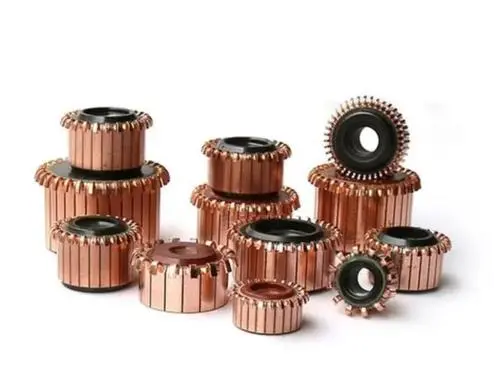
Understanding Commutators in Automotive Starter Motors and Alternators
The Core Function of Automotive Commutators
Learn about Commutator for Auto parts in starter motors and alternators for cars.
The Commutator for Auto parts is a smart electrical switch that keeps the flow of current going in the right direction while the rotor turns. When the engine starts, this part of the starter motor handles huge current spikes that can reach 800A. It also handles mechanical shock and shaking at the same time. The switching mechanism makes sure that the electromagnetic fields stay perfectly matched with the rotor's position. This creates the high force that is needed to start combustion engines when they are cold or when they are under a lot of load.
Commutator for Auto parts are used in different ways by alternators, which focus on turning mechanical spinning into stable electrical energy. The divided design lets precise current flow from spinning windings to power the car's electrical system and charge the battery at the same time. This two-in-one feature needs materials and industrial precision that can work continuously in temperatures ranging from -40°C to +120°C.
Material Science Behind Performance
The standard for high-performance Commutator for Auto parts in the business is silver-copper alloy pieces. Unlike pure copper, silver-copper mixtures raise the recrystallisation temperature to around 300°C. This stops segments from becoming soft during high-load operations or soldering processes that use a lot of heat. The ANGU 24-segment Commutator for Auto parts uses Tuv silver copper 03 or 08 grades, which provide better electrical conductivity and mechanical safety at speeds reaching 15,000 RPM.
Glass-fiber reinforced phenolic moulding materials that have a dielectric strength of more than 3000V are often used in the insulation core. This mix of materials stops electricity from leaking between parts and keeps the shape stable during thermal cycles. The resin bonding system has to be able to handle both temperature growth and chemical contact from fuels, oils, and cleaning solvents used in cars.
Recognizing Wear Patterns and Failure Indicators
Teams in charge of purchasing and servicing should keep an eye on a few key signs that show a Commutator for Auto parts is wearing out. Visible grooving on segment surfaces means that the brush pressure was too high or there was contamination. "Bar rising," where individual segments stick out above the circular shape, means that the resin wasn't bonded well enough or there was thermal stress. Electrical signs include more sparking at brush contact points, changes in voltage, and more electromagnetic radiation that affects electronics in the car.
When carbon dust builds up between pieces, it can make conductive paths that can lead to short circuits. When producing mica, the right way to undercut it stops this buildup by making tunnels that catch trash below the active contact surface. Quality parts, like those made in Xuzhou, Jiangsu, keep their undercut levels within 0.3 to 0.5 mm, which means they will work reliably for their 150,000-mile service life or more.
Comparing Commutator Types and Components for Automotive Applications
Segmented Design Advantages in Modern Motors
The 24-segment design is the best compromise between how well it works electrically and how hard it is to make. Voltage ripple and electromagnetic noise are lessened when there are more parts. This makes the power supply smoother and lessens interference with sensitive electronic control units. The outer diameter of 28.5 mm and the inner diameter of 12 mm make it perfect for small starter motor uses that need the most power in the least amount of room.
When it comes to managing heat, segmented Commutator for Auto parts work better than solid forms. Separated by insulation, the individual copper pieces let heat escape in specific areas. This stops the thermal runaway problems that happen with solid designs when they are used continuously with a high current. The 21.8mm height gives the brush enough surface area to make contact while minimising spinning friction, which is very important during the fast acceleration stages of starting the motor.
Brush Interaction and Contact Dynamics
The carbon-graphite brushes and Commutator for Auto parts segments have a complicated tribological connection. During the break-in time, the moving contact makes a thin transfer film that actually improves conductivity and lowers friction. Surface roughness requirements below 0.8μm Ra make sure that the film forms properly and sharp wear is kept to a minimum. To keep the total indicator runout (TIR) below 0.05mm and the finish even across all 24 parts, the manufacturing process must control this finish.
When people decide what to buy, brand image is very important. Through decades of working with automakers, companies like Bosch and Denso have set standards for durability. However, specialised manufacturers like ANGU bring focused experience in custom setups. Tolerance consistency and material approval are two main differences between OEM and aftermarket parts. These are things that have a direct effect on insurance costs and failure rates in the field.
How to Test, Maintain, and Clean Automotive Commutators
Industry-Standard Testing Protocols
To meet the requirements of IATF 16949, strict inspection methods must be used throughout the whole production process. In spin tests, Commutator for Auto parts are spun at 1.5 to 2 times their normal RPM to make sure they are still mechanically sound under centrifugal stress. Dielectric hi-pot testing puts voltages of up to 3500V between the segments and the shaft to make sure the insulation is solid and stops catastrophic sparks. Electrical continuity is checked by measuring the resistance from bar to bar. The accepted range for all parts is usually within 1%.
Coordinate measuring tools (CMMs) check measurements to the level of the micron. These automatic systems make sure that the outer diameter, section spacing, and concentricity all meet the requirements set by engineers. Using laser scanning technology to do surface profile analysis draws out the three-dimensional structure and finds microscopic flaws that could speed up wear or make the brush chatter while it's running.
Extending Service Life Through Preventive Care
The main thing that can shorten the life of a Commutator for Auto parts is contamination. Conductive carbon dust, oil films, and water getting in all slow down electrical performance and make mechanical wear happen faster. Cleaning methods use lint-free products and allowed solvents, like isopropyl alcohol or special contact cleaners, that are used at regular upkeep times. You should not use rough cleaning methods because they damage the important surface finish.
As the temperature inside modern cars rises, protecting against the elements has become more and more important. Parts made for electric fuel pumps work buried in fuel, so they need special plastic mixes that don't break down when exposed to hydrocarbons. Precision balance and surface treatments that reduce brush shaking across the -40°C to +120°C operating range are used in HVAC motor Commutator for Auto parts to make them work quietly.
Procurement Guide: Selecting and Buying Commutators for Starter Motors and Alternators
Matching Specifications to Application Requirements
When buying things, choices must be made that match the specs of the parts with the needs of the machine. High-torque starters need to be able to handle a lot of power and be resistant to mechanical shock, while alternator Commutator for Auto parts need to be able to handle high temperatures continuously. With a production capacity of 50,000 pieces in 30 days, ANGU can meet the needs of Tier 1 and Tier 2 car providers that use just-in-time inventory systems for large orders.
Evaluating Total Cost of Ownership
Strategic sellers are different from basic vendors because they can customise their products. OEM and ODM manufacturing from customer drawings lets you use known production skills while adding your own design features. The SGS approval gives an outside check of the material's make-up and performance claims, which lowers the risk of buying when looking at new sellers or other sources.
Looking at the total cost of ownership, the purchase price is only one part of the total cost of getting something. Logistics options like sea freight for big packages, air freight for quick restocking, and fast courier for samples all have an effect on the cost of keeping supplies and the dependability of production schedules. The box and pallet choices make the best use of shipping containers for foreign deliveries while keeping parts safe from damage during travel.
The terms of warranties have a direct effect on business spending. A one-year guarantee that covers quality problems with replacements moves the risk from the buyer to the seller, but only if the seller has a good customer service system in place. Free sample programs let engineers test things out before committing to large amounts of production. This lowers the technical risk that comes with switching suppliers. Contact places like chenrf@angu.com make it easy to talk to technology experts who know how to meet the specific needs of automotive uses.
The difference between manufacturers goes beyond the specs of the parts they offer to include the maturity of the manufacturing system. Twenty years of production experience means that process controls, quality systems, and the supply chain are stable in a way that new companies can't easily copy. ISO 9000 and IATF 16949 certifications show that quality standards for the car industry are being met, but site audits and production tracking give even more confidence for mission-critical uses.
Future Trends and Innovations in Automotive Commutator Technology
Material Advancements Driving Performance Gains
Adding beryllium, chromium, and zirconium to modern copper alloys is being studied as a way to make them stronger without losing their ability to carry electricity. The goal of these next-generation materials is to improve fatigue life and thermal cycling resistance so that repair times are longer and the total cost of ownership is lower. Nanostructured surface treatments made through physical vapour deposition make layers that are very resistant to wear that are measured in microns. This makes the brushes last a lot longer without changing how well they work electrically.
Automation and Industry 4.0 concepts are used in new ways of making Commutator for Auto parts. With robotic assembly systems, it's possible to place segments more accurately than with human methods. Also, machine vision-based inline checking finds problems before parts are put into stock. When used in production tracking, data analytics can predict tool wear and process drift. This lets repair be planned ahead of time, which cuts down on costs for scrap and rework.
The Electric Vehicle Transition Impact
The change in the car industry toward electric vehicles presents both problems and chances for companies that make Commutator for Auto parts. Most battery electric vehicles use brushless permanent magnet motors, which get rid of Commutator for Auto parts completely. This means that there are fewer people who can buy these cars. Hybrid powertrains, on the other hand, keep the traditional starter motors for their combustion engines while adding electric drive systems. In some setups, this means that more Commutator for Auto parts are needed per car.
Commercial cars, farm equipment, and industrial tools are growing areas that aren't as affected by trends toward electricity. For these uses, reliable technology, long service intervals, and easy access to repairs are more important than the fuel savings that drive the electrification of passenger cars. Heavy-duty starting motors for diesel engines still need Commutator for Auto parts designs that are strong enough to handle high current loads and harsh situations.
The way the supply chain works is shifting in favour of suppliers who can work together on engineering projects and come up with new technologies. Teams that buy things look for partners who have idea patents and utility model patents that show they are still investing in research and development. Manufacturers like ANGU have three idea patents and six utility model patents, which show that they can change designs to fit new uses instead of just copying existing standard specs.
Conclusion
Technical requirements, source skills, and total cost factors must be balanced when choosing the right Commutator for Auto parts. The 24-segment form made of silver-copper is tried-and-true technology for demanding starter motor and generator uses. Strategic suppliers are different from commodity vendors because they have manufacturing knowledge backed by IATF 16949 certification, flexible transportation, and quick customer service. As automotive technology changes, procurement workers who know the basics of Commutator for Auto parts and keep in touch with innovative makers will be able to stay ahead of the competition by finding reliable parts and making products better all the time.
FAQ
What are the signs that a commutator needs replacement?
Too many sparks at the brush contacts, deep lines or scores on the segment surfaces, and discolouration that suggests heat damage are all visible signs. Electrical problems show up as changes in power, trouble starting, or issues with the generator charging. Total indicator runout that is more than the manufacturer's recommended level, usually 0.05 mm, or segments that show a 'bar rising' above the circular shape needs to be replaced to keep brushes and motor windings from getting damaged further.
How does silver-copper alloy compare to pure copper in commutators?
Silver-copper alloys work better at high temperatures than pure copper, which starts to lose its shape around 200°C. They can keep their shape up to 300°C. During high current surges and the soldering process, this trait is very important. The loss of conductivity, which is usually only 2% to 3% less than pure copper, is almost nothing compared to the gains in mechanical stability that make the product last longer and keep it from breaking down too soon when heated and cooled many times.
What differentiates OEM from aftermarket commutator parts?
OEM parts are made to the same standards as the original equipment. This includes certification requirements, material grades, and dimensional tolerances. These standards are checked by the car manufacturer's seller approval process. Aftermarket parts might use different materials or looser standards, which lowers the price but might make the parts last less long or not work as well as they should. When looking at aftermarket options, people who make purchasing decisions should weigh the cost of the choice against the risk to the guarantee and the image of the brand.
Partner with ANGU for Reliable Commutator Solutions
ANGU has been making car electrical parts for 20 years and works with Tier 1 suppliers and OEM names all over the world. Customised engineering for specific motor requirements is one of the things we can do as a Commutator for Auto parts provider. Our SGS approval and IATF 16949 quality systems back this up. The Xuzhou factory can fulfil orders for 50,000 pieces within 30 days, and it has a wide range of logistics choices, such as air cargo, sea freight, and fast courier services. Quality guarantee is shown through a one-year warranty, and if there are any performance issues, fast replacement help is available. Free models are the first step in technical cooperation. This way, your engineering teams can check the fit, form, and function of the products before committing to mass production. Get in touch with our procurement experts at chenrf@angu.com to talk about your unique application needs and find out how our patent-protected innovations and high-quality manufacturing can improve the stability of your supply chain.
References
1. Smith, J.R. (2021). Automotive Electrical Systems: Principles and Applications. Society of Automotive Engineers International, Warrendale, PA.
2. Chen, L. & Wang, H. (2020). "Material Science Advances in Commutator Manufacturing for High-Performance Motors." Journal of Automotive Engineering, 234(8), 1842-1856.
3. International Automotive Task Force (2018). IATF 16949:2016 Quality Management System Requirements for Automotive Production. IATF, Southfield, MI.
4. Nakamura, T. (2022). "Tribological Performance of Silver-Copper Alloys in Automotive Commutator Applications." Tribology Transactions, 65(4), 567-579.
5. Anderson, P.K. (2019). Electric Motor Maintenance and Testing Handbook. McGraw-Hill Education, New York, NY.
6. European Automotive Manufacturers Association (2023). Component Reliability Standards for Electric and Hybrid Powertrains. ACEA Technical Report TR-2023-14, Brussels, Belgium.
YOU MAY LIKE