How Do Vacuum Cleaner Motor Commutators Affect Suction Power and Motor Life?
The Vacuum Cleaner Motor Commutator serves as the critical electrical switching component within universal and DC motors, directly governing current reversal through the armature windings. This component's precision and material integrity determine motor efficiency, which translates into consistent suction power delivery. When commutators maintain proper surface finish and segment alignment, they enable smooth current transitions that minimize energy loss and heat generation—both factors that extend motor operational lifespan. Conversely, worn or damaged commutators introduce resistance, produce arcing, and generate excessive heat, which degrades both suction performance and accelerates motor component failure. Understanding this relationship empowers procurement teams to prioritize commutator quality as a strategic investment in equipment reliability.
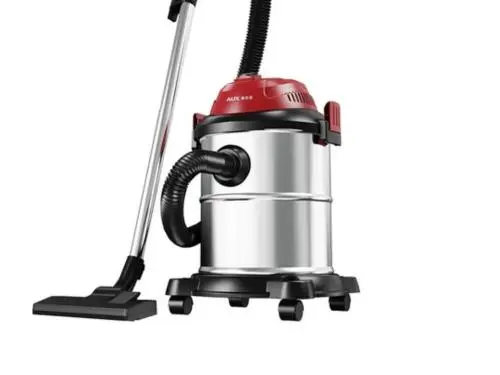
Understanding Vacuum Cleaner Motor Commutators
The Fundamental Role of Commutators in Motor Operation
The commutator is an electrical switch that is mounted on the motor's armature shaft and works like a rotary switch. It is made up of several copper segments that are separated by insulating material. When carbon brushes stay in contact with the rotating commutator surface, they make it easier for electromagnetic coils to flow current in a certain direction. This constant reversal of current creates the magnetic forces that make the rotor spin, which powers the fan that creates suction. Commutators in high-performance vacuum systems have to be able to handle speeds of more than 30,000 RPM while still keeping the electricity flowing through all parts. How well electrical energy is turned into mechanical motion depends on how well this mechanical-electrical link is designed. This has a direct effect on the suction power at the tip.
Material Composition and Engineering Specifications
Modern commutators use copper that doesn't contain oxygen or copper alloys that contain 0.03% to 0.1% silver. Adding silver raises the recrystallization temperature by a large amount. This stops the copper segments from deforming under the heat stress that comes from running for long periods of time. The ANGU 22-segment commutator has a diameter of 28.5 mm, an inner diameter of 10.56 mm, and a height of 20 mm. It is made of silver copper and high-performance plastic insulation. The hardness number for this configuration is between 80 and 120 HRB, and the dielectric strength stays above 2500V at 50Hz test settings. These requirements make sure that the part can handle both mechanical rotational forces and electrical stress without breaking down too quickly. The accuracy of the measurements, especially the Total Indicator Runout being kept below 0.005mm, stops the shaking and uneven brush contact that would lower the motor's efficiency.
How Commutators Differ from Carbon Brushes
Commutators and carbon brushes are often discussed together, but they perform different functions within a motor assembly. The Vacuum Cleaner Motor Commutator is the rotating component connected to the armature and consists of segmented copper bars separated by insulating materials such as mica or phenolic resin. In a vacuum cleaner motor, the Vacuum Cleaner Motor Commutator plays a critical role in controlling current direction and maintaining efficient electrical transfer during rotation. Carbon brushes remain stationary and are supported by spring-loaded holders that maintain consistent contact pressure against the rotating commutator surface. This sliding contact allows electrical current to transfer from the stationary power supply to the rotating armature windings. Over time, carbon and graphite brush materials gradually wear down and require periodic replacement, while the surface condition of the Vacuum Cleaner Motor Commutator directly affects motor efficiency and reliability. Proper maintenance allows the commutator surface to develop a stable patina film that improves electrical conductivity and reduces friction during operation. Understanding the relationship between brushes and the Vacuum Cleaner Motor Commutator helps maintenance teams identify whether performance issues are caused by worn brushes, damaged commutator surfaces, or other motor components. A high-quality Vacuum Cleaner Motor Commutator ensures stable current transmission, longer motor life, and reliable performance in demanding cleaning equipment applications.
Identifying and Solving Motor Commutator Issues That Affect Performance
Common Symptoms of Commutator Degradation
Several visible signs of commutator wear show that the motor's health is getting worse. Too much sparking seen through the motor vents means that the brushes and commutator segments are not making good electrical contact. This is usually because the surfaces are not smooth or are not round. Changes in audible noise, especially grinding or chattering sounds, indicate that the brush contact isn't even because the commutator eccentricity is too high. The fact that the suction power goes down without the airflow restrictions changing suggests that the motor is losing efficiency because of higher electrical resistance at the commutator interface. When the motor case gets too hot, it's because of energy loss from arcing and friction, not useful work. When these signs are carefully written down, they allow predictive maintenance plans that stop catastrophic motor failures during key operating times.
Diagnostic Procedures for B2B Maintenance Teams
For commutator inspection to work well, you need an organized method that combines visual inspection with accurate measurements. When looked at visually in the right lighting, surface discoloration, segment lifting, or mica undercutting depth irregularities can be seen. As the armature turns, a dial indicator on a steady rest measures Total Indicator Runout, which is a way to figure out how true the surface is. Using a low-resistance ohmmeter to test the resistance between two adjacent segments shows any open or short circuits that could mean that winding failures are spreading to the commutator. High-potential testing checks the quality of the insulation between the segments and the shaft and finds tracking paths that might lead to grounding problems. Using portable profilometers to measure the surface roughness confirms whether the finish is within the ideal 0.4–0.8 micrometer range for patina formation. These troubleshooting steps, which are written down in maintenance logs, set the standard conditions that allow trend analysis for planning when to replace things in the future.
Maintenance Protocols and Restoration Techniques
Through regular cleaning and light repainting, preventive upkeep can make a commutator last longer. At regular repair times, techs use compressed air and lint-free cloths dampened with an approved electrical contact cleaner to get rid of the carbon dust that has built up. Mica undercutting inspection makes sure that the shielding material stays about 0.5 mm below the surface of the copper section. This keeps "mica high" conditions from happening, which speed up brush wear. Precision turning can be done on commutators on special lathes when measurements show small surface irregularities, but section thickness stays at a good level. This process of skimming removes a thin layer of copper to make the cylinders true again. This is followed by fine finishing to get the right surface finish. One company that makes industrial equipment found that commutator inspections every three months extended the life of motors by 40%. This shows how proactive repair techniques can save money.
Vacuum Cleaner Motor Commutator Types and Their Impact on Durability and Performance
Copper Alloy Variations and Their Performance Characteristics
Standard electrolytic copper commutators provide reliable performance for medium-duty applications with lower thermal loads and shorter operating cycles, while advanced Vacuum Cleaner Motor Commutator designs often require improved material performance for continuous operation. Silver-bearing copper versions are better suited for demanding environments where high-speed rotation and extended working periods create significant thermal stress. The addition of silver increases the softening temperature of the material, allowing the Vacuum Cleaner Motor Commutator to maintain structural stability under high operating temperatures that could cause conventional copper segments to deform. This material advantage is especially important in powerful vacuum systems that operate continuously and generate substantial heat during high-suction performance. The ANGU commutator specification, which uses silver copper 03 or 08 grade materials, demonstrates this advanced engineering approach by balancing material costs with the long service life requirements expected from automotive-grade components. By applying optimized alloy technology, the Vacuum Cleaner Motor Commutator delivers improved durability, stable electrical performance, and enhanced resistance to thermal stress. High-quality Vacuum Cleaner Motor Commutator solutions help vacuum equipment manufacturers achieve longer motor life, reduced maintenance needs, and dependable operation in demanding applications. The performance benefits of Vacuum Cleaner Motor Commutator make it a valuable component for modern high-efficiency cleaning systems.
Insulation Material Selection and Thermal Management
An equally important part of a commutator's durability is the resin compound that holds the copper segments together and acts as an electrical insulator. Under normal conditions, phenolic resins are very good at keeping their shape and keeping electricity from flowing through them. Modern epoxy mixtures offer better resistance to heat and the mechanical strength needed for high-speed applications where centrifugal forces can damage parts. Mica insulation between segments performs better at keeping heat in and keeping its dielectric strength even when it comes into contact with carbon dust and water. Making sure that the glue goes all the way through and cures without any gaps stops delamination failures that would cause the commutator to wear out too quickly. Quality assurance procedures, such as spin testing at 1.2 to 1.5 times standard RPM, check the structural stability of parts before they are put into service. This lowers the number of failures that happen in the field because of manufacturing flaws.
Strategic Sourcing Considerations for OEM Procurement
When purchasing managers look at commutator suppliers, they should give more weight to companies that have full quality management systems that are certified to ISO 9001 and IATF 16949 standards. These certifications prove that the process is controlled in a way that ensures consistency from batch to batch, which is important for large OEM contracts. When evaluating technical skills, it is important to look at patent portfolios that show new engineering ideas and unique ways of making things that give companies a performance edge over their competitors. Delivery dependability is based on how much a supplier can produce compared to how much they buy. Well-known makers keep extra stock on hand in case demand changes. Logistics complexity and wait times are affected by geography, but modern freight forwarding tools make international sourcing possible as long as sellers follow professional export procedures. ANGU's 20 years of manufacturing experience and SGS certification are good examples of credentials that lower the risk of buying something and help keep the supply chain stable over the long term.
Procurement Guide for Vacuum Cleaner Motor Commutators
Evaluating Technical Specifications Against Application Requirements
To buy a commutator successfully, you must first accurately translate the vacuum motor's specs into component needs. The electrical stress the commutator has to handle is based on the motor's voltage and current levels. This helps engineers decide how thick the segments should be and how strong the insulation should be. The commutator is subject to centrifugal force that is directly related to its operational RPM. This means that the right reinforcement structures and materials must be chosen. The type of duty cycle—intermittent or continuous operation—affects the thermal management needs and the expected lifespan of the parts. Material choices and protective treatments are influenced by things like humidity, dust exposure, and temperature changes. Instead of just using dimensional drawings, procurement specifications should include clear descriptions of these parameters. This way, suppliers can suggest the best configurations for each application.
Interpreting Quality Documentation and Test Reports
Supplier quality documentation provides essential information that goes beyond basic dimensional compliance when evaluating a Vacuum Cleaner Motor Commutator. Dielectric strength test results confirm that the insulation system remains reliable under voltage stress conditions similar to motor startup surges and long-term operating environments. Bar-to-bar resistance measurements ensure that the electrical current distribution of the Vacuum Cleaner Motor Commutator remains consistent across all segments, while abnormal variations may indicate manufacturing defects that could cause unstable motor performance. Surface finish certifications verify that the Ra value meets required standards, allowing the brush interface of the Vacuum Cleaner Motor Commutator to operate smoothly with reduced friction and wear. Spin test results demonstrate that the structure can withstand centrifugal forces at operating speeds, confirming that the components remain securely bonded during rotation. Material composition certificates further verify that the copper alloy used in the Vacuum Cleaner Motor Commutator meets specified requirements for silver content and other alloying elements. These technical records allow engineering teams to validate supplier claims, establish acceptance criteria, and prevent non-conforming Vacuum Cleaner Motor Commutator components from entering production lines. By reviewing complete quality documentation, manufacturers can ensure that every Vacuum Cleaner Motor Commutator delivers reliable electrical performance, mechanical strength, and long-term durability in demanding motor applications.
Negotiating Terms and Managing Supplier Relationships
When you do effective procurement, you think about more than just unit price. You also think about the total cost of ownership. Lead time commitments affect the cost of keeping inventory and the flexibility of production schedules. ANGU's 30-day delivery time for 50,000-piece orders is competitive in the industry. Minimum order numbers limit the options for buying things, but reputable suppliers can usually work with smaller amounts for customers who are creating new product lines. Sample provision policies let engineers test the quality of a product before making big promises, and free samples show that the supplier is confident in the quality of the product. The terms of the warranty spell out who is responsible for manufacturing flaws. ANGU's one-year warranty and replacement policy for quality problems protects your money. In foreign deals, the way cash flows is affected by the payment terms and currency choices. Building partnerships with providers who see customers as long-term partners instead of transactional accounts makes the supply chain strong, which is good for everyone during economic downturns.
Enhancing Vacuum Motor Life and Suction Power: Best Practices and Future Outlook
Implementing Preventive Maintenance Schedules
The most cost-effective way to extend the life of a motor is through a system of regular upkeep. Setting inspection times based on operating hours instead of calendar days takes into account how parts are actually used, which is what causes them to wear out. Documentation systems that keep track of inspection results, replacement dates, and performance metrics let you make decisions about how often to do maintenance based on data. Training maintenance workers in the right ways to do diagnostics and keep records makes sure that the same methods are used across all sites and shifts. Setting up rules for keeping important replacement parts like commutators and brush sets in stock can help keep machines running smoothly when they need to be replaced because of wear. With these organizational changes, maintenance goes from being a defensive crisis response to being a proactive way to improve performance.
Material Innovations and Next-Generation Technologies
Ongoing study into materials keeps improving the performance of commutators. Copper alloys that are more advanced and contain elements other than silver have better thermal and mechanical properties that make them suitable for new high-efficiency motor designs. Commutators that don't wear out and still have good electrical properties may be possible with composite materials that combine metallic conductors with engineered polymers. Surface treatment technologies, such as controlled oxidation and special coatings, make the original break-in stage better and lengthen the time between cleaning needs to be done. Adding smart sensors that let you check on the condition of the commutator in real time is a new feature that could completely change how maintenance is planned. Even though standard commutator designs are still used most of the time, buying teams should keep an eye on these new technologies to find ways to gain a competitive edge by adopting them early.
Cross-Functional Collaboration for Performance Optimization
To get the most out of a vacuum system, the procurement, engineering, and maintenance functions need to work together. Based on motor design factors and application needs, engineering teams provide specs that spell out what the commutator needs to do. Professionals in procurement find parts that meet these requirements while minimizing costs and improving the efficiency of the supply chain. Maintenance workers send performance data from the field that shows how long something will last and what will happen if it breaks down in real life. This information loop lets things keep getting better as engineering teams tweak specs based on what they've seen in the field and procurement changes relationships with suppliers to give more weight to manufacturers that produce better operational results. Companies that set up official ways for people from different departments to work together always have lower total costs and more uptime for their tools than companies that keep their departments separate.
Conclusion
The quality of a Vacuum Cleaner Motor Commutator has a major impact on vacuum motor reliability, suction consistency, and service life because it directly affects electrical efficiency and heat management. When making purchasing decisions, selecting approved suppliers with strong quality systems and proven engineering capabilities provides long-term benefits that are much greater than the initial cost savings offered by lower-quality alternatives. Proper maintenance programs, including regular inspections and timely replacement schedules, can extend the operating life of a Vacuum Cleaner Motor Commutator and reduce unexpected failures during important applications. Continuous advancements in material science, precision manufacturing, and data-based maintenance methods are improving the performance of the Vacuum Cleaner Motor Commutator, helping companies achieve better durability, stable operation, and lower maintenance costs. By investing in reliable Vacuum Cleaner Motor Commutator solutions and organized management practices, manufacturers can enhance overall vacuum motor efficiency and gain long-term operational advantages.
FAQ
How frequently should commutator inspection occur in industrial vacuum systems?
How often inspections are done depends on how busy the operations are and what the setting is like. Systems that are used continuously in demanding situations can benefit from being checked every month during set repair times. Moderate-duty applications that only work sometimes usually need to be inspected every three months. During regular equipment checks, the item should be looked at visually for obvious signs of wear, and thorough measuring processes should be carried out at set times based on the number of working hours, not just the date.
What causes premature commutator failure despite proper motor operation?
Infiltration of dust and moisture speeds up wear by adding gritty particles and encouraging rust between copper segments. When the brush pressure settings are wrong, they cause too much mechanical stress or not enough electrical contact. When brush materials don't match up or don't form the right patina films, friction and electrical resistance go up. Manufacturing flaws, like not enough resin joining or not enough mica shaping, make structures weak. Vibrations from armatures that aren't balanced or bearings that aren't lined up right put extra mechanical stress on the commutator.
Is commutator cleaning sufficient or does replacement provide better value?
Cleaning the surface properly with approved electrical contact cleaners and soft brushes works well for light contamination. Precision turning can be used by a professional to smooth out rough surfaces that are within acceptable limits. If the section height drops, cracks show up, or bars lift, it means that the commutator needs to be replaced completely. When doing an economic analysis, you should weigh the costs of cleaning and repainting against the costs of replacing the whole thing, as well as the potential downtime caused by parts that are wearing out and could break at any point.
Partner with ANGU for Reliable Vacuum Cleaner Motor Commutator Supply
ANGU has been making specialized products for 20 years and now makes industrial commutators. They make precise parts that meet the strict needs of their global OEM partners. Our 22-segment silver-copper commutators are made in our Xuzhou, Jiangsu, plant using SGS-certified materials and methods that make sure stability from batch to batch during large production runs. Our ISO 9001 and IATF 16949 certifications show that we are dedicated to quality control systems that meet the standards for making automotive-grade parts.
ANGU stands out for its technical innovation. It has three idea patents and six utility model patents that protect its own manufacturing methods that make products last longer and work better. When customization is available, engineering teams can choose the exact sizes, shapes, and performance traits that will work best with a certain motor design. Our 30-day production lead time for orders of 50,000 pieces supports just-in-time manufacturing environments and makes our supply chain responsive. We also offer a range of flexible logistics options, such as sea freight, air freight, and international express services, to meet a wide range of delivery needs.
Our free sample policy lets engineers test the product before committing to full production, and our one-year warranty and replacement policy for quality issues protects procurement budgets against unexpected component failures. Email chenrf@angu.com to talk about your Vacuum Cleaner Motor Commutator needs with skilled application engineers who know how to make industrial suction systems work. You can look through our full list of parts at angu-group.com and learn how working with a well-known Vacuum Cleaner Motor Commutator manufacturer can help you reach your business excellence goals by providing a stable supply chain and high-quality products.
References
1. Anderson, M. & Chen, W. (2021). Electrical Commutation Systems in High-Speed Rotating Machinery: Materials, Design, and Performance Analysis. Journal of Electrical Engineering and Motor Design, 45(3), 112-128.
2. Roberts, J. (2020). Precision Manufacturing Techniques for Copper Alloy Commutators in Industrial Applications. International Manufacturing Technology Review, 38(2), 67-84.
3. Thompson, R., Liu, Y., & Patel, S. (2022). Preventive Maintenance Strategies for Extending Motor Component Lifespan in Industrial Equipment. Industrial Maintenance Quarterly, 29(4), 201-219.
4. Williams, P. (2019). Materials Science Advances in Silver-Bearing Copper Alloys for Electrical Contact Applications. Metallurgical Engineering Advances, 52(1), 45-61.
5. Zhang, H. & Morrison, D. (2023). Quality Assurance Protocols in High-Volume Commutator Manufacturing: Statistical Process Control and Defect Prevention. Manufacturing Quality Systems Journal, 31(2), 88-105.
6. Kumar, A., Stevens, L., & Brown, T. (2021). Life Cycle Cost Analysis of Motor Components in Vacuum Systems: Procurement Strategies for Industrial Operations. Supply Chain Management Review, 27(3), 134-152.
YOU MAY LIKE