How Does Curved Permanent Magnet Increase Motor Torque?
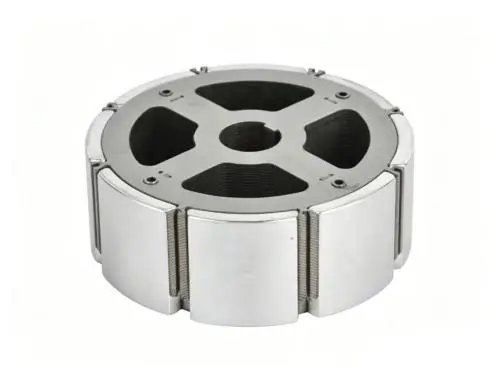
Engineers are always looking for parts that can deliver more power in smaller spaces when designing high-performance motors. A Curved Permanent Magnet is an excellent option because it matches rotor shapes more precisely, reduces air gaps, and improves magnetic flux paths. Flat magnets often leave uneven spaces between the magnet surface and the rotor’s curved structure, while arc-shaped magnets fit the rotor contour perfectly and concentrate the magnetic field where it is needed most. This geometric accuracy directly contributes to higher torque output, improved electromagnetic efficiency, and reduced cogging effects, which are all critical for high-speed automation equipment, automotive traction motors, and industrial servo systems.
Understanding Curved Permanent Magnets and Motor Torque
Arc segment magnets are precision-engineered parts made from samarium cobalt (SmCo) or neodymium-iron-boron (NdFeB) that have been sintered. The round shapes of the rotors and stators are mirrored in these magnets, making a mechanical fit that flat magnets can't do. These parts greatly increase the magnetic flux density in the motor's active zone by reducing the space between the magnetic surface and the winding assembly.
How Magnetic Flux Distribution Affects Torque
When permanent magnet motors are turned on, torque is generated when the magnetic field from the magnets interacts with the current running through the stator windings. When magnets keep the magnetic flux spread out evenly across the rotor surface, the electromagnetic forces acting on the windings are more stable and stronger. Arc magnets do this by getting rid of the uneven air gaps that come with flat magnet installations. These gaps let flux leak out and weaken the effective field strength.
Material Selection and Magnetic Properties
High-performance arc magnets usually have remanence (Br) values between 1.1T and 1.45T, and their intrinsic coercivity (Hcj) is high enough to keep them from losing their magnetism in harsh thermal conditions. Depending on the temperature needs, you can choose between NdFeB and SmCo. Grades of NdFeB, like EH or AH, can handle temperatures up to 200°C to 230°C, while SmCo works best in even hotter conditions. These magnets can deliver the highest torque-to-weight ratios thanks to energy products (BHmax) reaching 52 MGOe. This is a major benefit for uses where space and weight are limited.
Orientation, Direction, and Field Optimization
When the arc is oriented radially, the magnetic field follows the radius of the arc. This increases flux toward the center of the rotor, making contact with the stator windings more powerful. This design is different from diametrical ones and provides more power distribution. Manufacturers use special magnetizing fixtures to get accurate alignment, which makes sure that all production batches work the same way.
Comparing Curved Permanent Magnets to Other Magnet Types in Motor Applications
Choosing the right type of magnet has a big effect on how well the motor works, how much it costs, and how reliable it is. There are clear benefits to using arc segment magnets over other types, especially when high torque density and energy economy are needed.
Flat Magnets Versus Curved Designs
Putting flat magnets on blades that are round makes air gaps that aren't round. These air gaps weaken the magnetic flux density and make the field distribution uneven. These differences cause torque ripple, which are changes in the spinning force that cause noise and shaking. Because of their curved shape, arc magnets get rid of these issues, making torque curves smoother and operations quieter. Just lowering the cogging force can boost motor performance by 5 to 8 percent, which is a big boost for battery-powered systems like electric cars.
Electromagnets Versus Permanent Magnets
Durability and Thermal Stability Considerations
In industrial settings, motors have to deal with changes in temperature, mechanical stress, and dirt and dust. Protective coats on arc magnets, like Ni-Cu-Ni layers, epoxy sealing, or Everlube treatments, keep them from rusting or breaking. Long-term durability is proven by salt spray tests (SST) that last between 96 and 500 hours and pressure cooker tests (PCT). These safety measures make sure that the equipment always works right in places like under-hood uses in cars, building machinery hydraulics, and food processing equipment, where dependability can't be compromised.
Key Design and Manufacturing Considerations for Curved Permanent Magnets
Using complex production methods and strict quality control to make arc segment magnets of high quality. Modern motor designs need to be very precise, so mistakes in size or magnetic alignment are not allowed.
Geometric Precision and Dimensional Tolerances
Some important measurements are the length (59.5 mm), the thickness (about 6.5 mm), the outer radius (32.4 mm), and the inner radius (29.5 mm). Specifications for corner radii like R3 Max make sure that magnetic transitions are smooth and that stress doesn't build up during assembly. Coordinate Measuring Machines (CMM) make sure that the inner and outer circles are concentric, and they keep the margins to within ±0.05mm. This level of accuracy makes sure that the parts fit correctly inside motor units and stops magnetic performance changes that could lower power output.
Manufacturing Processes and Quality Control
The first step in the production process is powder metallurgy, which melts, crushes, and presses rare earth alloys into shape in controlled atmospheres. Sintering makes the material stronger, and then precision grinding is used to get the final sizes. With grinding wheels that are shaped to fit the radius, special tools are used to cut the arc form. Using Helmholtz coils for magnetic moment tests shows that all production batches are magnetized the same way.
After the dimensions are checked, the surface finish is applied. Nickel-copper-nickel layers are put on by electroplating, and epoxy coats make things more resistant to contact. Automatic optical inspection (AOI) finds tiny cracks or flaws in the metal that could cause failures in the field. Manufacturers who follow the IATF 16949 and ISO 9001 standards set up traceability systems that keep track of every aspect of production. This makes it easy to fix problems quickly if there are quality issues.
Customization Capabilities and Engineering Support
OEM and ODM manufacturers can make changes based on samples or drawings provided by customers. Engineers work with customers to determine the optimal specifications of Curved Permanent Magnet, including magnet dimensions, tolerances, and performance levels for different motor designs. Post-processing services include selecting suitable surface coatings, defining magnetization directions, and applying protective treatments. This adaptability is especially valuable for developing motors for specific applications or modifying existing designs to achieve new performance targets.
Practical Applications and Benefits of Curved Permanent Magnets in Motors
In many fields, arc segment magnets are now necessary because they make it possible to design motors that weren't possible before or wouldn't have made economic sense. When buying, teams know about these uses, and they can figure out where these parts provide the most value.
Electric Vehicle Traction Motors
EV powertrains need motors that can handle high temperatures and a lot of force. Arc magnets inside rotor sections create the strong magnetic fields needed for fast movement and regenerative stopping. Because the bent shape reduces the air gap, it directly leads to higher power density. This lets makers make motors smaller while keeping performance the same. Vehicle range is increased by lighter motors, which is a key competitive advantage in the EV market.
Industrial Automation and Servo Systems
For precise robotics tasks, motors must react quickly to control signals without causing vibrations or mistakes in positioning. Arc magnets make it easy for magnetic flux to move between poles, which reduces the torque ripple that leads to mechanical resonance. When factories with robotic assembly lines switch to motors with arc segment magnets, cycle times get faster, and maintenance costs go down.
E-bikes, Scooters, and Micromobility Solutions
Small, quiet forms and operation are important to personal electric cars. When motors with arc magnets are turned on, they quickly accelerate from a stop and run quietly, which is important for cities. The higher energy efficiency makes the battery last longer, which addresses one of the main consumer concerns about micromobility adoption.
Generator Rotors and Power Generation Equipment
For the same reason, arc magnets work just as well in generators, which turn mechanical rotation into electricity. These parts make the flux density and longevity better, which helps wind farms, portable generators, and backup power systems. Because they can work reliably in a wide range of temperatures, they are good for installations that are far away and hard to reach for maintenance.
The benefits are useful in more ways than just measuring performance. Total cost of ownership goes down when motors last longer, and corporate sustainability goals are met when they use less energy. These things are very important to procurement teams that have to weigh the initial costs of parts against operational costs and environmental commitments.
Procurement Guide: Choosing and Buying Curved Permanent Magnets
When looking for arc segment magnets, you need to carefully consider the supplier's skills, the product's requirements, and the dependability of the supply chain. To find a good balance between quality, cost, and delivery times, purchasing managers need to ask the right questions and evaluate sellers based on a number of factors.
Aligning Specifications to Application Requirements
Evaluating Supplier Qualifications and Certifications
Quality approvals show that the ways things are made meet the standards of the business. IATF 16949 compliance shows process control for the automotive industry, while ISO 9000 certification shows basic quality management. Suppliers who have a lot of patents, like three invention patents and six utility model patents, show that they can come up with new technologies. Twenty years of experience in manufacturing suggests that you are good at managing production and solving problems.
Ask for test results from a third party that includes tests for RoHS compliance, magnetic qualities, and outdoor durability (salt spray and pressure cooker tests). These papers back up what the supplier says and help your own quality control processes.
Assessing Production Capacity and Lead Times
Reliable providers keep their production plans stable and send large orders in 35 to 40 days. Ask the seller about their production ability to make sure they can meet your needs for output. Logistics choices that are easy to change, like sea freight for packages that need to be cheap, air freight for orders that need to be sent quickly, and rush services (DHL, FedEx, UPS) for samples, show that the business is operationally mature.
Cost Optimization Without Compromising Quality
It's important to compare prices, but the cheapest quote isn't always the best deal. When figuring out the total cost of ownership, you should look at things like guarantee terms (like coverage for one year), repair plans for quality problems, and the availability of expert help. Suppliers that offer OEM/ODM services can improve designs to lower the cost of materials without affecting how well they work.
A lot of buyers don't realize how important good packaging is. Magnets are kept safe during foreign shipping in neutral inner boxes and outer packages that are resistant to water, shock, and impact. Custom packing choices keep handle harm from happening that could weaken the magnetic qualities or covering.
Building Long-Term Supplier Relationships
Forming partnerships with dependable magnet makers offers strategic benefits that go beyond individual transactions. When new materials or manufacturing methods come out, suppliers who know how your applications work can suggest ways to make them better. Customers who are valued get special care when there are shortages of goods and the chance to work together on new projects.
When looking at possible partners, you should see how quickly they are to contact, how much professional help they offer, and how ready they are to meet your specific needs. Suppliers who understand the challenges and rules that come with working with suppliers in the automotive, industrial equipment, and electronics industries are very helpful to procurement teams.
Conclusion
FAQ
Can Arc Magnets Be Magnetized After Motor Assembly?
Magnetization after assembly is feasible but requires high-power pulse magnetizing fixtures designed specifically for the rotor's geometry. Pre-magnetized components simplify assembly and reduce equipment costs, though post-assembly magnetization eliminates handling risks associated with strong magnetic fields during installation.
What Maximum Operating Temperature Can These Magnets Withstand?
Operating temperature limits depend on the specific grade selected. EH and AH grades of NdFeB magnets operate efficiently up to 200°C-230°C, while samarium cobalt alternatives handle even higher temperatures. Matching grade selection to your application's thermal environment prevents demagnetization and ensures consistent torque output throughout the motor's service life.
How Does Coating Selection Impact Magnet Performance?
Ni-Cu-Ni electroplating provides excellent corrosion resistance for most applications, while epoxy coatings offer superior impact resistance during automated assembly processes. Everlube treatments suit high-temperature environments. Poor substrate cleaning before coating application or excessive assembly impact causes premature coating failure, making the supplier's process quality critical.
What Distinguishes Radial from Diametrical Magnetic Orientation?
Radial orientation aligns the magnetic field along the arc's radius, directing maximum flux density toward the rotor center for optimal torque generation. Diametrical orientation runs parallel to a specific diameter, suited to different motor architectures. Selecting appropriate orientation during manufacturing ensures the magnetic field configuration matches your motor's electromagnetic design.
Partner with a Trusted Curved Permanent Magnet Manufacturer
Angu brings two decades of precision manufacturing experience to the permanent magnet industry, combining ISO 9000 and IATF 16949 certified processes with proprietary innovations protected by three invention patents and six utility model patents. Our arc segment magnets—available in configurations like 32.4 mm outer radius, 29.5 mm inner radius, and 59.5 mm length—serve automotive suppliers, industrial equipment manufacturers, and OEM partners worldwide. We deliver standard samples within 10-15 days and fulfill bulk orders in 35-40 days, supported by flexible logistics options and comprehensive one-year warranty coverage. Contact chenrf@angu.com to discuss your curved permanent magnet requirements with our engineering team and discover how our customization services can optimize your motor designs.
References
1. Zhu, Z.Q., and Howe, D. (2007). Electrical Machines and Drives for Electric, Hybrid, and Fuel Cell Vehicles. Proceedings of the IEEE, Vol. 95, No. 4.
2. Gieras, J.F., Wang, R.J., and Kamper, M.J. (2008). Axial Flux Permanent Magnet Brushless Machines. Springer Science & Business Media.
3. Hendershot, J.R., and Miller, T.J.E. (2010). Design of Brushless Permanent-Magnet Machines. Motor Design Books LLC.
4. Coey, J.M.D. (2010). Magnetism and Magnetic Materials. Cambridge University Press.
5. Li, W., Cheng, M., and Chau, K.T. (2015). Multi-Objective Optimal Design of Permanent Magnet Motors Using Computational Intelligence. IEEE Transactions on Industrial Electronics, Vol. 62, No. 6.
6. Shen, J.X., and Qin, M.J. (2016). Comparative Study of Permanent Magnet Vernier Machines with Different Magnet Configurations. IEEE Transactions on Magnetics, Vol. 52, No. 7.
YOU MAY LIKE