How High Atomization Fuel Injector Work: Maintenance Tips & Tricks
High Atomization Fuel Injector produces microscopic fuel mist particles with Sauter Mean Diameters below 60 microns. Carefully selected tip designs and enhanced injector fluid dynamics enable this. This enhanced atomization technology accelerates fuel evaporation and combustion chamber air-fuel mixing. This fixes engine performance concerns, including incomplete combustion, greater emissions, and decreased heat efficiency. Keeping these injectors clean can help your automobile use less petrol, produce more reliable power, and fulfill Euro 6d and EPA Tier 3 pollution requirements.
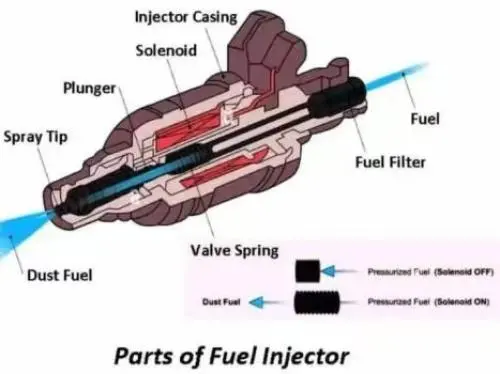
Understanding High Atomization Fuel Injector Technology
Core Working Principles of Advanced Atomization
High-atomization fuel injectors need precise pressure differences and micro-orifice geometries. After receiving an electrical signal from the engine control unit, the injector solenoid valve opens in milliseconds. This allows pressurized fuel to flow through laser-drilled 0.15–0.25-millimeter holes. These tiny pores create turbulence and shear pressures that shatter gasoline into tiny droplets. The spray pattern maintains a cone angle within ±2°. This distributes the spray uniformly throughout the combustion chamber. This evenness prevents wall wetness, which occurs when liquid fuel adheres to the cylinder walls instead of burning.
Material Engineering and Durability Standards
Modern injectors contain martensitic stainless steel bodies and high-grade industrial plastic electrical parts. Their corrosion resistance and high temperature resistance are enhanced. OE 96332261 injectors for DAEWOO LACETTI GASOLINA 1.4L (2005–2006) and CHEVROLET LACETTI J200 1.6L (2005–2016) automobiles use this material combination. The stainless steel material allows it to tolerate operating pressures comparable to the original fuel system, maintaining injection accuracy within ±4%. To ensure a lifetime of over 50,000 kilometers, each unit undergoes 1,000 hours of lab cycle testing and 100% factory pressure leak testing.
Performance Impact on Engine Systems
Better atomization increases the fuel surface area to volume ratio, improving burning efficiency. Before the engine begins, smaller drops evaporate faster and mix more with the air. Burning is better with fewer particulate matter and hydrocarbon smells. These pumps provide 3–7% higher petrol economy and lower startup pollution than conventional approaches. Gasoline direct injection and turbocharged engines that demand accurate fuel dosing when load changes benefit most from the technique. OEMs that wish to sell in severe environmental countries need these parts since they fulfill China IV and China V emission regulations.
Maintenance Tips & Common Issues for High Atomization Fuel Injectors
Recognizing Early Warning Signs
Fleet workers and procurement managers working with High Atomization Fuel Injector systems should train repair teams to immediately identify performance decline. Rough running at operating temperature may indicate a partly clogged nozzle or mismatched spray patterns. Power loss during acceleration, especially under stress, may indicate a smaller input or worse atomization. Injectors that utilize more than 10% more fuel than typical are likely malfunctioning. Hard-to-fix starting difficulties or extended turning times indicate worn seals or low injector system pressure. To avoid oxygen monitor or catalytic converter issues, obtain a diagnostic immediately if you observe these indicators.
Professional Cleaning Protocols
Cleaning the injector without damaging its delicate elements is essential for optimal performance. Ultrasonic cleaning with fuel-system-approved fluids removes carbon deposits without damaging precise surfaces. A hot 40–50 kHz cleaning solution cleans injectors for 15–20 minutes. After compressed air drying, their flow is verified. Rough, chlorine-based cleansers can harm O-rings and internal seals. After cleaning, professional tools should compare the spray pattern and flow rate to OEM requirements. The OE 96332261 injector's design facilitates this repair while maintaining factory-tested sealing performance.
Preventive Maintenance Strategies
Regular preventative maintenance may extend injector life and reduce unplanned downtime. Fuel quality management matters most. Ensure the gasoline satisfies ISO 4406 18/16/13 cleanliness standards. Install and replace high-efficiency gasoline filters with a 10 micron rating or fewer as instructed by the manufacturer or when the pressure difference exceeds limitations. Visually inspect electrical connections every 25,000 kilometers for corrosion and appropriate seating. Plan to test the flow bench every 50,000 km to maintain injection accuracy within ±4% error. Record all repair jobs, dates, and measurements to ensure dependability and determine how many new parts to acquire.
Comparing High Atomization Fuel Injectors with Alternative Technologies
Conventional Port Fuel Injectors Versus Advanced Systems
Most port fuel injection systems send fuel ahead of the intake valves and mix it with manifold air. These shooters usually produce 100–150 micron droplets and a less precise spray. Fuel must be suspended throughout intake. This causes differences between cylinders and lowers the efficiency of burning. However, high-atomization fuel injectors can adjust cone angle and produce droplets smaller than 60 microns. This allows them to directly shoot into the cylinder or boost port injection. Controlled testing shows 8–12% greater fuel efficiency. Changes in working circumstances reduce measurable unburned hydrocarbon emissions.
Multi-Hole and Piezoelectric Injector Comparisons
High Atomization Fuel Injector is a multi-hole injector that has many orifices that overlap spray patterns. This enhances dispersion but reduces atomization fineness at reduced pulse widths. Piezoelectric devices react in less than 0.3 milliseconds, while solenoid systems take 1.5. Injection events might occur many times throughout a combustion cycle. Complex piezoelectric devices require more expensive parts and better engine control. The solenoid-driven high-atomization fuel injector balances performance and cost. This makes it excellent for mid-range cars and industrial equipment that has to be reliable and inexpensive. Tier 1 auto supplier procurement teams prioritize this technology since it lasts and requires less maintenance.
Application-Specific Performance Metrics
Choosing the correct injector technology depends on engine design and function. Turbocharged gasoline engines benefit from quick atomization, which prevents knock at big boost. Higher injection pressure is needed for diesel, although greater atomization enhances burning. Industrial equipment using biodiesel blends needs non-rusting materials and spray qualities that don't alter with fuel attributes. The stainless steel and plastic hybrid design in OE 96332261 solves these issues. It works with E15-blended fuels. QA managers should ensure that test results are consistent across all fuels when assessing a supplier's expertise.
Procurement Considerations for High Atomization Fuel Injectors
Sourcing Channels and Supplier Verification
B2B buyers require competent injector suppliers for OEM manufacturing lines or aftermarket sales to meet international quality standards. ISO 9000 and IATF 16949 certifications demonstrate the company's car-business-specific quality management. Make sure potential suppliers can link part batch numbers to manufacturing times and quality control results. Authorised suppliers provide warranty support and technical advice for connecting to authorised automobile systems. Direct manufacturer connections allow customisation, such as altering electrical connectors or mounting configurations to accommodate different automotive designs. Before making significant purchases, procurement directors should request quality control samples to ensure they work with current techniques.
International Logistics and Delivery Coordination
For High Atomization Fuel Injector, global procurement teams must ensure shipping techniques match production plans and supply management goals. Shipping a lot of products by sea is the cheapest and takes 25–35 days from Asian industrial hubs to North American ports. Air freight arrives in 5–7 days but costs 300–400% more than ocean transportation. DHL, FedEx, and UPS offer door-to-door service in 3–5 days for samples or emergency replenishment. When suppliers adopt 30-day production processes, just-in-time inventory can minimize working capital. Make sure the logistical help you need can manage several delivery methods per order. This lets you find the greatest price and speed for different parts.
Brand Spotlight: Trusted High Atomization Fuel Injector Suppliers
Years of engineering ingenuity and excellence have made fuel injection manufacturers famous. Bosch pioneered many industry-standard atomization technologies. They have massive cross-reference databases and global expert support networks. Denso's products are used in high-mileage businesses because of their strict production tolerances and durability testing. Delphi specializes in electrical control integration, and its injectors interact with ECUs and provide flexible tuning. Siemens prioritizes environmental protection and designing parts for demanding emission markets.
Besides these huge brands, niche OEM providers with patent-backed innovations serve niche markets. Companies with concept and utility model patents demonstrate technological leadership and safeguard intellectual property, helping buying partners stand out. The OE 96332261 injector works with OEM parts and is affordable for aftermarket distributors and regional assemblers. Its INJ678 and 25182404 exchange codes allow it to function with several supply chains. This reduces buying risk. Procurement experts should verify patent papers and request performance data that compares private technology to popular standards when evaluating vendors.
You must verify that qualified providers' compliance documentation goes beyond ISO certifications. Request IATF 16949 audit reports that detail issues and solutions. To maintain certification, have production locations examined annually by a third party. Supply chains with 20 years of experience have sophisticated process controls and steady finances that enable long-term relationships. They can rapidly answer difficult issues and make improvements that newer organizations can't due to their experience. Building relationships with these companies stabilizes the supply chain amid market upheavals and offers you access to technological resources for product development.
Conclusion
High Atomization Fuel Injector are crucial parts that combine speed, durability, and low cost. Learning about micro-orifice fluid dynamics and material engineering helps buying teams choose realistic products. Routine repair schedules that maintain atomization quality protect your investment and keep the engine running properly. Comparing technologies clarifies their benefits, which helps create project needs. Supplier verification, pricing comparison, and logistical coordination may lead to smart relationships that decrease the total cost of ownership. While you hire renowned manufacturers with proven quality processes and experienced guidance, you can reduce supply chain risks while doing business abroad.
FAQ
What maintenance interval ensures optimal injector performance?
Electrical connections and mounting should be visually inspected every 25,000 kilometers. Professional flow testing and ultrasonic cleaning should be done every 50,000 kilometers or when performance declines. To prevent impurities from building up in injector orifices, replace fuel filters every 15,000 to 20,000 kilometers using 10-micron or smaller parts.
Can high atomization injectors work with ethanol-blended fuels?
High-quality stainless steel injectors with chemically resistant seals can take E15 (15% ethanol) without compromising performance. If coupled with more ethanol, standard elastomers may expand or break down; therefore, ensure the cover material is appropriate. Check with your provider about fuel compatibility before using various gasoline compositions.
What risks accompany low-quality counterfeit injectors?
Most bogus parts lack quality control and material testing, resulting in premature seal failure, inconsistent spray patterns, and engine damage. Unsafe atomization can harm catalytic converters and increase emissions. Only buy from approved vendors with tracking papers and guarantee support to preserve your equipment investment and regulatory compliance.
Partner with Angu for Certified High Atomization Fuel Injector Solutions
Angu offers several quality certifications and 20 years of experience creating high-atomization fuel injectors, which may assist procurement personnel in discovering a reliable supplier. Industry-standard automobile parts are made at our ISO 9000 and IATF 16949 plants. These parts have 3 concepts and 6 utility model patents, proving their technological innovation. To support inventory management, we offer sea freight, air freight, and speedy shipment through DHL, FedEx, and UPS. Our deliveries always take 30 days. OEM/ODM customisation meets engineering demands, and bulk price models help you save money. Quality control comprises a 1,000-hour cycle test and 100% pressure leak check on every injector. We guarantee this with a 1-year warranty and replacement. Contact our engineering team at chenrf@angu.com to discuss your high-atomization fuel injector needs and acquire application-specific specifications. Visit angudianqi.aixdb.cn to view our whole product line and get proof testing samples.
References
1. Stone, R. (2012). Introduction to Internal Combustion Engines (4th ed.). Society of Automotive Engineers.
2. Zhao, F., Lai, M.C., & Harrington, D.L. (1999). Automotive Spark-Ignited Direct-Injection Gasoline Engines. Progress in Energy and Combustion Science, 25(5), 437-562.
3. Heywood, J.B. (2018). Internal Combustion Engine Fundamentals (2nd ed.). McGraw-Hill Education.
4. Baumgarten, C. (2006). Mixture Formation in Internal Combustion Engines. Springer Berlin Heidelberg.
5. SAE International (2020). Fuel Injection Equipment Standards and Recommended Practices. SAE Technical Paper Series J1832.
6. Delphi Technologies (2019). Fuel System Component Maintenance and Troubleshooting Guide. Delphi Service Publications.
YOU MAY LIKE