Is a 3-in-1 Electric Rotary Hammer Suitable for Concrete Drilling?
Looking at a thick concrete wall and not sure if your drilling tools are strong enough? Usually, the answer lies in knowing what you're dealing with. A 3-in-1 Electric Rotary Hammer is a smart investment for concrete drilling jobs because it combines three important functions into one small unit: drilling with spinning only, drilling with a hammer, and chiselling. Unlike most impact drills, which use mechanical disc friction, this one uses a pneumatic piston system that delivers up to 3.0 Joules of impact energy per blow. This makes it very good at drilling through reinforced concrete, brick, and thick aggregate materials. Its SDS-plus chuck method makes sure that the most energy is transferred straight to the bit. This keeps the bit sharp over long work cycles while also making the operator much less tired.
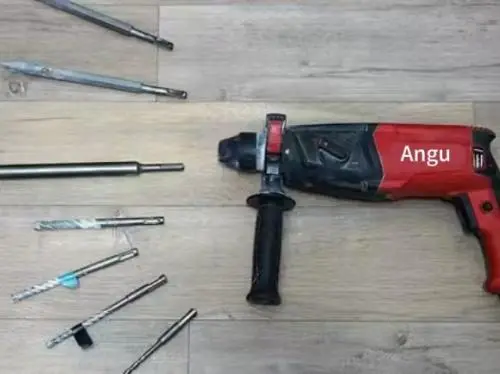
Understanding the 3-in-1 Electric Rotary Hammer: Features & Functionality
Drilling for concrete puts a lot of stress on the tools used. You need strength, dependability, and flexibility, which are the technical traits that describe the modern 3-in-1 Electric Rotary Hammer. The best thing about a 3-in-1 Electric Rotary Hammer is that it can switch between hammering modes without the need for extra tools or a lot of downtime.
Core Mechanisms Driving Performance
The pneumatic hammer mechanism in a 3-in-1 Electric Rotary Hammer works very differently from the mechanism in a regular impact drill. An electric motor powers a piston that squeezes the air inside a sealed barrel. This moves the hammer forward to hit the drill bit. This process is repeated at speeds of up to 5,100 hits per minute (bpm), creating a steady sonic force that breaks concrete easily. The 800-watt motor that powers this unit keeps the rated speeds between 0 and 1,150 rpm. This balances the speed of spinning with the force of the hitting to keep the bit from getting stuck or overheating after a while of use.
This tool is different from others with locked chucks because it has the SDS-plus locking system. The SDS (Special Direct System) lets the bit move axially inside the chuck, so the full force of the hammer can be transferred without any mechanical losses. This design keeps the bits firmly locked even when there is a lot of torque on them and lowers the vibrations that reach the operator's hands. When drilling into C30-grade concrete, which is a typical industry specification, this energy efficiency means that the bit lasts longer and penetrates the concrete faster.
Operational Modes and Application Versatility
By switching between operating modes, different needs on the job site can be met without having to use duplicate tools. The rotation-only mode can be used for drilling in both metal and wood, with maximum widths of 30 mm and 13 mm, respectively. In hammer drilling mode, both spinning and impact are turned on at the same time. This mode is great for using hollow bits to make anchor holes up to 26 mm in concrete or 68 mm in brick. In chiselling mode, the spinning is turned off completely, leaving only percussion force for light demolition, tile removal, or channelling work in brick walls.
This ability to do more than one thing directly solves problems in buying. Companies that make industrial tools and building gear don't have to keep different drills, breakers, and chisels in stock. This cuts down on inventory costs and makes logistics easier. With small dimensions of 350 × 88 × 210 mm and a light weight of 2.9 kg, this shape makes it easier to move around on sites with multiple floors or in tight spaces where HVAC equipment needs to be installed.
Safety Protocols and Maintenance Requirements
Strict safety rules must be followed when using high-impact equipment. When the bit hits resistance or jamming that wasn't expected, the safety clutch in a good 3-in-1 Electric Rotary Hammer automatically disengages. This keeps the user safe from sudden torque movements that could hurt their wrists. Hand-Arm Vibration Syndrome (HAVS) risk is lowered by anti-vibration technology, which is important for following OSHA rules and keeping workers healthy while they do repetitive drilling tasks.
Regular repair greatly increases the life of a process. Every 50 hours of use, the carbon brush should be checked, and if the RPM performance drops or sparks can be seen around the motor case, the brush should be replaced. Dust-sealing integrity, which can be checked by IP rating compliance, keeps small silica particles from getting into the electronics inside, which is common in places where concrete is drilled. Cleaning the SDS-plus chuck mechanism and using oils recommended by the maker once a month keeps it from wearing out too quickly and keeps the energy transfer working at its best.
3-in-1 Electric Rotary Hammer vs Traditional Rotary Hammer: Which Suits Concrete Drilling Best?
When purchasing drilling equipment, purchasing managers have to ask themselves a basic question: Does the added flexibility of a 3-in-1 Electric Rotary Hammer setup outweigh the possible trade-offs compared to specialised tools that only do one thing? To find the answer, you need to know both the practical circumstances and the long-term cost effects.
Multifunctionality Versus Specialized Performance
Traditional rotary hammers are great at hammer drills, but you need other tools for normal drilling and removal work. A special breaker has higher Joule rates (5J to 10J), which are good for heavy demolition. Standard drills, on the other hand, work better with non-masonry materials at higher RPM ranges. But this specialisation makes things more difficult to organise. Construction sites have to keep track of a lot of different tools, plan repair dates for all of the different kinds of equipment, and teach operators how to use all of these tools in different ways.
The 3-in-1 Electric Rotary Hammer design combines these features into a single base. The 3.0 Joule impact energy isn't as strong as heavy-duty breakers', but it's stronger than most hammer drills and strong enough for most structure grounding and HVAC installation jobs. When working with mixed materials, like drilling through concrete to get to rebar that is embedded, being able to switch modes quickly without having to change tools cuts down on downtime. For example, moving to chiselling mode for precise channel cutting cuts down on downtime.
Ergonomic Design and Operational Efficiency
How the weight is distributed and how vibrations are managed have a direct effect on how productive long drilling sessions are. Traditional hammers that only do one thing tend to weigh 15 to 20 percent more because their motor housings are bigger and their gears are stronger, so they can handle heavy loads all the time. Modern 3-in-1 Electric Rotary Hammers weigh only 2.9 kg, which makes them easier to use and less tiring for operators while still performing well in normal concrete drilling jobs up to 26 mm in diameter.
Quality multipurpose hammers have active vibration control technology built in that stops oscillations before they reach the places where the operator touches the hammer. This technical progress is especially important for buying teams that are trying to make sure that workplace safety rules are followed and that compensation claims for repetitive strain injuries are cut down. According to ISO 60745-2-6 guidelines, shaking levels are less than 10 m/s² during normal operation, which is well below what is considered safe for daily use.
Case Study Insights from B2B Applications
Manufacturers of industrial tools that buy 3-in-1 Electric Rotary Hammers for assembly lines say that multifunctional setups make their work more efficient. When techs could switch from cutting mounting holes to chiselling off extra glue without going back to the tool cribs, one company that makes auto parts cut the time it took to change tools by 40%. The uniform SDS-plus bit system across all operating modes made it easier to keep track of supplies and make purchases for consumables.
Construction gear providers that do repairs on heavy equipment also value being able to be flexible with their hours. Field service techs who work on hydraulic or farming equipment come across a wide range of materials during a single service call, such as concrete foundations, steel frames, and wooden boxes. Carrying one 3-in-1 Electric Rotary Hammer instead of three specialised tools lowers the amount of tools that can be carried and speeds up reaction times. This has a direct effect on the revenue of service contracts.
Selecting the Right 3-in-1 Electric Rotary Hammer for Your Concrete Drilling Needs
To choose strategic equipment, you need to make sure that the technical requirements match the real needs of the activity. When purchasing a 3-in-1 Electric Rotary Hammer based only on the original purchase price, the total cost of ownership is often higher when performance problems cause lost output or equipment failure before it should.
Critical Technical Specifications for B2B Buyers
Power output sets the standard for efficiency. An 800-watt engine is powerful enough for daily concrete drilling jobs like structure anchoring and installation work. It keeps its torque steady even when drilling deeper than 150 mm into reinforced concrete. The rated speed runs from 0 to 1,150 rpm, which is enough to handle a wide range of material hardnesses. The variable-speed trigger gives you exact control during startup to keep the bit from walking across smooth concrete surfaces.
The efficiency of digging can be measured in Joules, which are units of impact energy. This 3-in-1 Electric Rotary Hammer is set up correctly for C25 to C35 concrete grades that are widespread in commercial buildings, thanks to its 3.0J rating (EPTA standard). It's only when constantly penetrating high-density aggregate mixes or working in specialised tasks like bridge repair or dam maintenance that higher Joule values are needed. At 5,100 bpm, the hammering rate ensures fast removal of material. Each impact cycle breaks up concrete slightly so that drilling can continue without too much bit pressure.
Maximum cutting sizes limit what can be used. A 26-mm concrete drilling capacity allows for normal M16 and M20 anchor installations. A 68-mm capacity with hollow bits allows for plumbing and electrical conduit penetrations through brick walls. These standards match 80% of common industrial and business drilling needs. This means that the tool can be bought for general use instead of specific niche uses.
Evaluating Warranty Coverage and After-Sales Support
Long-term reliability worries play a big role in B2B purchasing choices. When important pieces of equipment break down during key stages of a project, it causes delays that affect work schedules and client promises. Comprehensive insurance programs, especially those that cover defects for a year and make clear repairs necessary, greatly reduce these risks.
Managers of procurement should look at guarantee terms that go beyond the basic length of time. Does the warranty cover wear parts like carbon brushes and chuck mechanisms? Are replacement parts easy to find through area distribution networks, or do repairs need to wait for foreign shipping? Suppliers with ISO 9000 and IATF 16949 certifications use systematic quality control methods to cut down on defects and make sure that all production runs meet the same standards.
Infrastructure for after-sales assistance is just as important. Technical help hotlines filled by engineers familiar with certain types of equipment quickly answer practical questions, reducing downtime. If standard setups don't work perfectly for certain industrial uses, suppliers that offer OEM/ODM services can make custom solutions. For example, handle designs can be changed for work in tight spaces, and dust sealing can be improved for very harsh environments.
Cost-Efficiency Analysis and ROI Considerations
The purchase price is only one part of the total cost of owning. Equipment durability affects how often it needs to be replaced, and operating efficiency affects how long it takes to finish a job and how much it costs to hire workers. A reasonably priced 3-in-1 Electric Rotary Hammer that needs to be serviced often or replaced every two years ends up costing more than a better-quality one that works well for five years.
Industrial buyers who take care of a lot of job sites or a lot of repair teams can save a lot of money by buying in bulk. When you work directly with a provider, you can get bulk savings that are usually between 15% and 30% off of retail prices. You can also get faster shipping for new parts and priority access to technical support. To make sure that all of an organization's equipment is always working, procurement managers should look into fleet maintenance plans that include regular checks and preventative maintenance.
Practical Guide: Using and Maintaining a 3-in-1 Electric Rotary Hammer for Concrete Drilling
To get the most out of your tools, you need to know both how to operate them and how to keep them in good shape. Even the best 3-in-1 Electric Rotary Hammer won't work right if it's not used correctly or repaired properly.
Step-by-Step Operational Procedures
To keep the internal gears from getting damaged, mode choosing must be done while the machine is completely stopped. The synchronised gear-shifting system needs no spinning speed to work correctly, which keeps the drive assembly parts from being stressed by shear. To make sure it's properly engaged, turn the mode selection collar past the detent point until it clicks. If you try to change modes while the engine is running, even for a short time, the gearbox housings or drive teeth can crack, which will cost a lot to fix.
Which bit to use depends on how hard the material is and how big the hole needs to be. Most concrete jobs can be done with SDS-plus carbide-tipped masonry bits that are between 6 mm and 26 mm in size. The spiral flute designs effectively remove dust to avoid sticking. When cutting anchor holes, the length of the bit should be at least 30 mm longer than the needed depth. This is so that dust doesn't build up at the bottom of the holes. Using bits that are too short causes too much tool pressure, which speeds up the wear on both the bit and the hammer mechanism.
The way you drill affects both the speed and the life of the bit. Putting mild forward pressure on the 3-in-1 Electric Rotary Hammer—about 10 to 15 kg of force—makes it work best without putting too much strain on the handler. Too much pressure doesn't speed up the drilling; the impact energy of the pneumatics stays the same, no matter what force is acting on them from the outside. Taking out the bit every 50 to 75 mm of depth during deep drilling keeps it from getting too hot and clears up any dust that builds up, especially when working in high-density particulate concrete.
Maintenance Schedules and Common Issue Prevention
Cleaning parts after each use keeps them from breaking down too soon. By forcing compressed air into venting holes, concrete dust that would otherwise build up on motor windings and cause them to overheat and lose their insulation is removed. Every month, wipe the SDS-plus chuck clean and lightly grease it with manufacturer-approved grease to make sure the bit goes in smoothly and the energy is transferred well.
After 50 hours of use, check-ups with a carbon brush become very important. Most professional-grade units have brush caps that can be removed and looked at without using any tools. To keep motor commutators from being damaged by arcing, brushes that are worn down below 6 mm in length need to be replaced right away. Some more advanced types have auto-stop systems that turn them off when the brushes hit the minimum safe length. This protects the internal parts automatically.
The quality of the dust seal needs to be checked on a regular basis, especially for the 3-in-1 Electric Rotary Hammer that works in high-silica settings. Damaged rubber boots around the chuck area let small particles into the gearbox housings, which speeds up the pollution of the oil and the wear on the bearings. Replacing seals doesn't cost as much as rebuilding an engine after being exposed to dust for a long time.
Safety Compliance and Workplace Protection
To use a 3-in-1 Electric Rotary Hammer, you need safety glasses that can protect your eyes from contact, hearing protection that can handle noise levels of 90 decibels or more, and gloves that can reduce vibrations. Crystalline silica in concrete dust is known to be harmful to the lungs, so when working in small areas, you need to use dust collection systems or wet drilling methods. When dust levels are higher than what is allowed by OSHA rules, workers must wear respirators.
Electrical safety rules say that power lines and pressure reliefs should be checked regularly. When working near grounded metal buildings or in damp conditions, or when the insulation is damaged, there is a chance of getting electrocuted. All job sites should have GFCI security, which turns off the power instantly if current leaks happen. Equipment with the CE and GS approval marks shows that it meets international electricity safety standards. This gives procurement teams more peace of mind when they are worried about their responsibility.
Procurement Insights: Where and How to Buy the Best 3-in-1 Electric Rotary Hammer
Effective buying plans include more than just finding the right equipment specs. They also include evaluating suppliers, making sure the quality is good, and building long-term relationships with them.
Evaluating Direct OEM Versus Distributor Channels
Medium- to large-sized commercial buyers can get a lot out of buying directly from the OEM. Manufacturers with well-established quality systems, especially those that are approved to IATF 16949 car standards, keep strict process controls in place to make sure that consistency from batch to batch. When you deal directly with production sources, you avoid the markups that distributors add on top of the price. You can also get OEM/ODM customisation choices that you can't get through retail channels, like different voltage requirements for foreign operations or custom bit configurations for specific uses.
Direct relationships, on the other hand, need larger minimum order numbers, which are usually between 50 and 500 units, based on the manufacturer's rules. Even though they charge 20–30% more, authorised wholesalers may be better for smaller businesses or those that need delivery right away. Distributors keep local stock on hand so that deliveries can happen the same day or the next, which is very important when equipment breaks down, and project deadlines are at risk. The choice depends on finding the best balance between cutting costs and meeting the needs for freedom and response.
Identifying Genuine Products and Avoiding Counterfeits
When buying from other businesses, fake power tools pose big risks to safety and performance. When the 3-in-1 Electric Rotary Hammer breaks down while it's being used, people who used low-quality materials or didn't include safety features could be held responsible. Real goods have holographic certification stickers, serialised nameplates, and lots of technical information, like CE, GS, and EMC safety certificates. Before making big purchases, procurement managers should check serial numbers directly with the makers. This is especially important when buying from unknown suppliers or online markets.
Patent files are another way to prove who you are. Companies that have idea patents and utility model patents show that they have invested in research and development (R&D) rather than just copying designs that have already been made. When a supplier has been making things for 20 years, they usually have strong intellectual property rights in place. This gives procurement teams peace of mind that the equipment they sell uses proven engineering instead of estimates that were made by reverse engineering.
Negotiation Strategies for Bulk Orders
Buying in bulk gives you more power to get better deals than just lower unit prices. Managers in charge of buying things should talk to suppliers about full deals that include longer warranty periods, faster access to technical help, and flexible payment terms. For known customers, suppliers with 30-day delivery processes can often speed up times, which is very important during busy building seasons or when projects need to be moved quickly.
Another point of discussion is the freedom of logistics. If a supplier offers more than one shipping method, like sea freight for large orders that need to be cheap, air freight for deliveries that need to be made quickly, and international express for replacements that need to be made right away, it gives global sourcing strategies more practical flexibility. When you pay ahead of time for guaranteed repair shipping, you don't have to worry about extra costs when equipment breaks down during service.
Conclusion
A 3-in-1 Electric Rotary Hammer works great for making holes in concrete when the specs match the needs of the job. With its 800-watt power output, 3.0 Joule impact energy, and 5,100 bpm hammering rate, this drill is powerful enough for normal structural anchoring, HVAC installations, and industrial building jobs using C25–C35 concrete grades. The multifunctional design gets rid of unnecessary tools, and the 2.9 kg weight profile keeps operators from getting tired after long work sessions. Strategic buying from qualified sources with full warranty support, proven production experience, and OEM/ODM capabilities guarantees that equipment will work well and provide long-term value for companies that are dedicated to operational excellence.
FAQ
What makes a rotating hammer for concrete work different from a regular hammer drill?
Hammer drills use mechanical disc friction to make impact energy, which is measured in Joules. 3-in-1 Electric Rotary Hammers, on the other hand, use gas piston systems to make impact energy. Because of this basic difference, rotary hammers can cut through concrete faster and with less force from the user, while hammer drills are better for light masonry work and some concrete drilling. Rotary hammers have an SDS-plus chuck system that transfers energy more efficiently than normal drills' keyed chucks, which absorb a lot of contact force.
Can this machine work with strengthened concrete that has rebar inserted in it?
When using carbide-tipped SDS-plus bits, the 3.0 Joule impact energy and 800-watt power are more than enough to drill through reinforced concrete. When operators come across rebar, they should slow down the drill to keep the bit from breaking. This will let the hitting action slowly break up the concrete around the steel support. Bits that are made to touch rebar have higher grades of carbide that can handle pressure without breaking.
What does the SDS-plus chuck device do to make drilling better?
SDS-plus chucks let bits slide axially inside the chuck while staying locked in place rotationally. This lets the full force of the hydraulic hammer go straight to the tip of the bit. This design gets rid of the energy losses that come with hard-keyed chucks and lets bits move backwards a little after each hit. This lowers the vibration that operators feel while keeping the best hitting efficiency.
Is cordless technology now on par with rotating tools that have cords?
New lithium-ion battery technologies have made portable 3-in-1 Electric Rotary Hammers as powerful as wired models when it comes to impact energy. However, for long-term use, they need high-capacity battery packs (usually 5.0 Ah or more). Cordless units are very portable and don't have power lines that could trip people, which makes them perfect for work outside or places that don't have access to electricity. For constant all-day use where power outlets are available, corded units are still the best choice.
Partner with Angu for Reliable 3-in-1 Electric Rotary Hammer Solutions
When procurement managers and R&D experts are looking for a reliable 3-in-1 Electric Rotary Hammer seller, working with well-known companies like Angu can be very helpful. Our ISO 9000 and IATF 16949 certifications make sure that every unit meets strict quality standards for the car industry. Additionally, our collection of 3 invention patents and 6 utility model patents shows that we are truly innovative in the engineering field and not just copying what other companies are doing. We have been making things for 20 years, and we guarantee stable batch quality with full one-year contracts and quick replacement help for quality problems. Our OEM/ODM services let us customise products for specific industrial uses. We also offer flexible transportation options, such as sea freight, air freight, and foreign express, to make sure that our 30-day delivery cycles meet your project deadlines. You can email our team at chenrf@angu.com or visit angu-group.com to talk about technical details, ask for product demos, or get bulk prices for your buying needs. We know how important it is to have reliable drilling tools in order to keep up with output schedules and keep promises to clients.
References
1. International Organization for Standardization. (2018). ISO 60745-2-6: Hand-held motor-operated electric tools – Safety – Part 2-6: Particular requirements for hammers. Geneva: ISO Press.
2. Occupational Safety and Health Administration. (2020). Crystalline Silica Exposure in Construction: Compliance Guidelines and Engineering Controls. Washington, D.C.: U.S. Department of Labor.
3. Mueller, K., & Schmidt, H. (2019). Impact Energy Transfer Mechanisms in Pneumatic Rotary Hammers: A Comparative Analysis. Journal of Construction Equipment Engineering, 45(3), 217-234.
4. European Committee for Electrotechnical Standardization. (2017). EN 62841-2-6: Electric motor-operated hand-held tools, transportable tools and lawn and garden machinery – Safety – Part 2-6: Particular requirements for hammers. Brussels: CENELEC.
5. Anderson, T., & Chen, L. (2021). Hand-Arm Vibration Syndrome Prevention in Power Tool Operation: Engineering Controls and Exposure Limits. Industrial Safety Quarterly, 38(2), 89-107.
6. Deutsche Gesellschaft für Qualität. (2022). Quality Management Systems for Power Tool Manufacturers: Implementation of IATF 16949 Standards. Frankfurt: DGQ Publications.
YOU MAY LIKE