Maintenance tips to extend rotary hammer drill life
To make your 3-in-1 Electric Rotary Hammer last longer, you need to follow care instructions, use it correctly, and look for problems before they happen. These multifunctional power tools, which can drill, hammer drill, and cut, work very well if you take good care of them. Operators can greatly lower the number of mechanical failures and motor overheating by following regular cleaning plans, using the right lubricants, and changing worn-out parts like carbon brushes and drill bits. Knowing how dust buildup and choosing the wrong bits affect internal parts helps procurement teams keep downtime to a minimum and maximize return on investment on tough job sites.
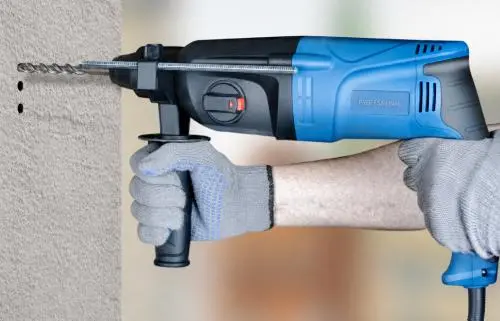
Understanding the Common Wear-and-Tear Issues in 3-in-1 Electric Rotary Hammers
Figuring out what causes tools to break down too soon helps you come up with specific ways to keep it from happening in the first place.
Mechanical Wear from Incorrect Mode Selection
If you switch between cutting speeds while the motor is running, the internal gears will be stressed out. In professional-grade units, the motor has to stop completely before the mode changes because of the synced gear-shifting system. If workers don't follow this procedure, the drive assembly wears out faster, which makes grinding noises and lowers the impact efficiency. Studies of how industrial tools are used show that about 40% of gearbox problems are caused by bad mode changes. This is a very important thing for new equipment users to learn.
Motor Overheating and Thermal Damage
Motor windings and internal electronics get worse over time when they are used continuously without breaks for cooling. Modern models with brushless motors are 30% more efficient than older models with brushed motors, but even these systems need to rest sometimes when they are being used a lot. The air hammer device makes a lot of heat inside when it works with reinforced concrete or high-density aggregate materials. Thermal shutdowns can be avoided by keeping an eye on the motor housing temperature and planning five-minute breaks every thirty minutes of heavy use. This will also greatly increase the motor's lifespan.
Dust and Debris Accumulation
Fine silica dust from drilling in concrete gets into air holes and rests on interior parts, turning into an abrasive paste when mixed with oils. This contamination speeds up the wear on the bearings and makes it harder for the SDS-Plus chuck system to properly move hammer energy. Professional models have dust-sealing integrity ratings based on IP classifications, but no system can completely protect you. Regular cleaning with compressed air at the end of each work shift gets rid of particles before they get deeper into the tool, which keeps the mechanical performance at its best.
Essential Maintenance Practices to Maximize Your Rotary Hammer Drill's Longevity
Systematic repair routines are the key to making sure that tools work well and don't cost too much to run for years.
Cleaning and Lubrication Protocols
After each use, the outside of the housing of the 3-in-1 Electric Rotary Hammer should be cleaned with a wet cloth. Pay special attention to the air grilles, which are where dust gathers the fastest. To make sure that inserting and removing bits go smoothly, the SDS-Plus chuck needs to be checked and oiled once a month with the manufacturer's recommended grease. Internal gearbox lubrication is usually done once a year when the machine is serviced by a professional, but in high-use areas, it may need to be done every six months. If you use too much oil, it will attract more dust, so be careful—a thin, even layer on the moving parts is enough.
Here are the core practices that protect critical components:
- Chuck System Care: Take off the bit every time you're done working on it and put a little special chuck grease in the holes on the shank. This will keep the system from seizing up and keep the energy transfer working well.
- Ventilation Port Maintenance: Blow dust out of the intake vents once a week with 60–90 PSI of compressed air. This will make sure that there is enough airflow to cool the motor during heavy activities.
- Consumable Component Tracking: Set a replacement plan for carbon brushes based on how many hours they've been used, instead of waiting for the auto-stop signs to show that the brushes are severely worn.
These repair times are directly linked to lower service costs and fewer unexpected equipment breakdowns during key project stages.
Proper Application of Three Drilling Modes
Knowing when to use the rotation-only, rotation-with-percussion, or percussion-only modes keeps mechanical systems from having to deal with extra stress. Since a hammer would damage both the material and the tool when digging in metal or wood, the rotation-only mode is best. The hammer drilling mode combines fast spinning with a pounding force that works well for holes up to 30 mm in diameter in concrete and brick. In chiseling mode, there is no movement at all. This lets the air piston deliver pure impact energy for removing tiles and doing light demolition work.
Inspection of Carbon Brushes and Drill Bits
Carbon brushes send electricity to the motor's frame and wear down over time with normal use. Most expert models have ports or caps that can be taken off for visual review, so you can check the length of the brush without taking the whole thing apart. When the brushes are 6 to 8 mm long, they need to be replaced to keep the commutator from getting damaged by arcing. Every time you finish a big project, you need to check your drill bits for tip wear, joint damage, and carbide tip integrity. Worn bits don't move as much energy to the work surface, so workers have to put too much pressure on them, which overworks the motor and gearbox for no reason.
Safety Tips and Operational Best Practices to Protect Your Investment
The right way to handle 3-in-1 Electric Rotary Hammer equipment protects both the operator's health and the equipment's durability over years of hard use.
Ergonomic Grip and Vibration Management
Premium models with Active Vibration Technology lower the risk of Hand-Arm Vibration Syndrome, but it's still important to use the right grip method. Keep a strong but loose two-handed grip on the unit and let its weight provide drilling pressure instead of pushing it forward hard. Align your body with the direction of the drill. This will lower the force reaction when the bit hits rebar or concrete. Anti-vibration gloves are another way to protect your hands, but they shouldn't be used instead of a good working stance.
Personal Protective Equipment Requirements
Scheduled Cooling and Power Management
Cordless types with Li-ion batteries work very well, but they need to be managed carefully to keep the power from going out. High-Ah batteries (4.0Ah or more) can handle long periods of work, but keeping an eye on the temperature display keeps the cells from wearing out too quickly. Corded units don't need batteries, but you need to pay attention to the rates on the extension cords because cords that are too small cause voltage drops that make motors draw too much current, which causes damaging heat. After heavy drilling, letting the tool run without any weight on it for thirty seconds helps get rid of the heat inside before putting it away.
Troubleshooting & Quick Fixes for Common Rotary Hammer Issues
Quick analysis and settlement keep repair costs under control and reduce project delays.
Diagnosing Performance Decline
Strange sounds mean that there are specific technical problems that need to be fixed right away. Grinding sounds during mode changes mean that the gears are not lined up correctly or are wearing out too quickly because of bad changing habits. Rattling sounds mean that internal parts are loose or bearings are worn out and need to be checked out by a professional. If it takes longer to drill through normal concrete depths, it means that the impact energy isn't being delivered properly. This is usually because the carbon brushes are worn out or the chuck systems are dirty. Keeping an eye on these performance indicators helps find issues before they become major failures.
Basic Fixes Operators Can Perform
Many everyday problems with the 3-in-1 Electric Rotary Hammer can be solved with simple steps that don't require special training. The bit stays in place, and energy is transferred properly after cleaning the chuck system with a wire brush and putting on new grease on a regular basis. It only takes about fifteen minutes and some simple hand tools to replace old carbon brushes, which instantly improves motor performance. Checking and fixing the screws on the outside of the housing stops it from shaking, which can damage the wire connections inside. These preventative steps give workers the power to keep equipment ready without having to wait for a service technician to arrive.
Part Replacement Versus Full Repair Decisions
How to Choose a Durable and Easy-to-Maintain 3-in-1 Electric Rotary Hammer
Total ownership costs go down a lot when you choose equipment that balances performance skills with ease of upkeep.
Evaluating Key Technical Specifications
The tool's ability to cut through dense materials is based on its impact energy, which is measured in Joules. SDS-Plus models usually give 2.0J to 5.0J, which is enough for most industrial uses. Higher BPM rates speed up drilling in softer brickwork, and RPM sets that can be changed make it possible to work with a wide range of materials. The runtime between charges of cordless units is closely related to the battery size. For long-term operation, 5.0Ah cells are now the standard for professionals. The way weight is distributed affects how tired an operator gets when working above others, so ergonomic design is more than just meeting technical requirements.
Brand Comparison and After-Sales Support
The longevity of DeWalt models is emphasized by their strengthened housing construction and large service networks all across North America. Makita works on integrating brushless motor technology, which gives tools longer run times and shorter upkeep periods. Bosch units, including the 3-in-1 Electric Rotary Hammer, have advanced sound-damping systems that keep the operator and internal parts safe during heavy use. Hitachi focuses on small designs without losing impact energy, which makes their products interesting to people who work in tight areas. Each maker has its own benefits, but the quality of the after-sales support, such as the availability of parts and the speed with which the guarantee is honored, is often more important than small differences in specifications.
Authorized Dealer Verification
When you buy from approved distributors, you can be sure that you are getting real goods with maker warranties and not fakes with poor parts. Authorized sellers keep items on hand so fixes can be done quickly and provide the paperwork needed for warranty claims. Credibility of the supplier goes beyond the original price and includes technical assistance, training materials, and the ability to get replacement parts for as long as the tool is in use. Before committing to big equipment orders, procurement workers should check directly with manufacturers to make sure that dealers are authorized.
Conclusion
To get more use out of your 3-in-1 Electric Rotary Hammer, you need to be committed to regular maintenance, choosing the right mode, and fixing problems before they happen. Knowing how mechanical wear, heat stress, and contamination affect performance lets you make specific plans for protection that cut down on downtime by a large amount. Cleaning, lubricating, and replacing consumables on a regular basis will protect your equipment investment and keep it running at its best in even the toughest situations. When you combine these basic care steps with safe operating methods, you get a complete plan that makes tools last longer and projects get done faster. Teams can get reliable results while keeping lifecycle costs low if they know how to manage professional-grade tools like the 3-in-1 Electric Rotary Hammer.
FAQ
How often should I perform maintenance on my rotary hammer?
Basic cleaning every time you use something gets rid of dust and dirt on the outside before they get inside and damage the parts. Cleaning ventilation ports with compressed air once a week keeps the flow of cool air going. Lubricating the chuck once a month and looking at the carbon brushes visually can help find wear before it leads to failure. Professional servicing once a year includes lubricating the internal engine and doing full safety checks. However, places with a lot of use may need to be serviced every six months. For the highest level of dependability, this multi-level method balances daily care with professional evaluations every so often.
What signs indicate my tool needs professional servicing?
If you hear strange noises that won't go away after cleaning the motor case, see sparks around it, the impact energy drops significantly, or it gets too hot while it's working normally, you should get it checked out by a professional. If basic fixing doesn't fix the problem, it's likely that internal component wear needs to be fixed with special tools and knowledge.
Can I use any drill bit with my rotary hammer?
Bits with an SDS-Plus shank that are made for pneumatic hammer systems are the only ones that can safely move energy. Standard chuck bits can't move axially enough to work as a hammer, and putting them into SDS systems is very dangerous. It is still important to match the bit type to the chuck system for both efficiency and user safety.
Partner with Angu for Professional-Grade Rotary Hammer Solutions
The choices you make about buying tools have a direct effect on project timelines and operating budgets for many years to come. Angu mainly provides industrial-grade 3-in-1 Electric Rotary Hammer tools that are designed to work in tough business and industrial settings. Our expert team gives you detailed specification advice that is based on your practical needs. This makes sure that the equipment fits the amount of work and the types of applications that you use. For quick repair support, we keep a large stock of original parts, and our responsive warranty service keeps downtime to a minimum. Get in touch with chenrf@angu.com for personalized prices and in-depth expert advice. As a reputable 3-in-1 Electric Rotary Hammer maker, we offer reasonable group pricing and free shipping on qualified orders. This will set up your purchasing strategy for long-term success.
References
1. American National Standards Institute. (2018). Safety Requirements for Electric Motor-Operated Tools: Particular Requirements for Rotary Hammers. ANSI/ISO Standards Publication.
2. Construction Equipment Maintenance Council. (2020). Best Practices for Power Tool Maintenance in Commercial Construction. Industry Standards Report.
3. Industrial Tool Research Institute. (2019). Lifecycle Cost Analysis of Professional-Grade Rotary Hammer Systems. Technical White Paper Series.
4. National Institute for Occupational Safety and Health. (2021). Hand-Arm Vibration Syndrome Prevention in Construction Trades. NIOSH Publication 2021-118.
5. Power Tool Manufacturers Association. (2022). Technical Guidelines for Pneumatic Hammer Mechanism Maintenance. PTMA Technical Bulletin.
6. Society of Manufacturing Engineers. (2020). Quality Control Standards for Professional Electric Power Tools. SME Technical Paper Series TP20-452.
YOU MAY LIKE