Motor Magnets: Arc Segment Magnets and Rotor Magnets Explained
When looking for parts for electric motors, it's important to know what a magnet for motor rotor does. Permanent magnets, usually made of Neodymium (NdFeB), ferrite, or Samarium cobalt (SmCo), are built into the spinning assembly to make a stable magnetic field that reacts with the stator windings. This exchange makes the torque that is needed to power everything from electric cars to factory machinery. Due to their bent shape, arc segment magnets work best in high-efficiency motor designs that need to save room and increase flux density. To help engineers and supply chain managers make smart choices, this guide goes over the technology basics, performance factors, and buying strategies.
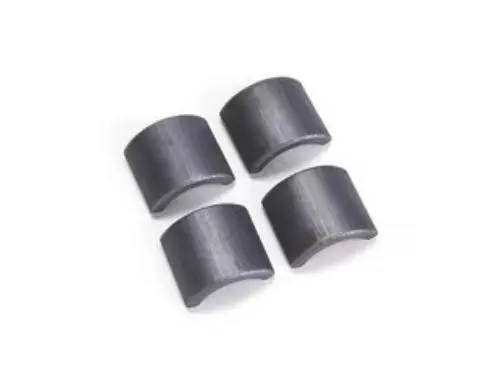
Understanding Motor Rotor Magnets and Arc Segment Magnets
What Are Rotor Magnets and How Do They Work?
A fixed magnet built into the shaft that turns in an electric motor is called a magnet for motor rotor. In contrast to electromagnets in the stator, rotor magnets keep the magnetic field steady without needing constant electricity input. This makes motor design easier, gets rid of the need for rotor windings, and lowers the energy loss caused by slip and resistance. Depending on the type of motor, electromagnetic induction or synchronous attraction is used to make the rotor's magnetic field combine with the alternating current in the stator coils. This creates a rotating force.
The shape of curved rotor units is exactly what arc segment magnets are made to fit. Because of their form, they can be tightly integrated around the rotor core, which increases the magnetic flux density and decreases the air holes. In Permanent Magnet Synchronous Motors (PMSMS) and Brushless DC Motors (BLDC), where efficiency and torque density are very important, this design is a must.
The Role of Arc Segment Magnets in Motor Construction
Arc segment magnets do two things: they create the magnetic field needed to make power, and they also make the motor smaller overall. For example, in electric car traction motors or industrial servo systems, where space is limited, magnets must exactly fit the shape of the rotor. It also cuts down on eddy current losses during high-frequency switching, which happens a lot in variable-speed drives.
Angu makes arc segment magnets with an outer arc radius of R36 (+0.2 / -0.1) mm and an inner arc radius of R28.3 (+0.3 / 0) mm. These magnets are made with tight specs that meet IATF 16949 standards. In a circle, these magnets are 22 mm tall and 7.6 mm thick. Along their length, they are 62 mm long and 50 mm wide. The 90° angle standard lets different rotor designs work, so they can be used in motors for electric vehicles, industrial equipment, e-bikes, and generators.
Common Magnet Materials: Ferrite, Neodymium, and Samarium Cobalt
Different uses for motors need different types of magnetic materials. Because they are cheap and don't rust, ferrite magnets are great for consumer gadgets and motors that don't use a lot of power. But because they aren't as strong magnetically, they can't be used in high-performance situations.
Neodymium (NdFeB) magnets, which have a better energy output (BHmax) of 35 to 52 MGOe, are the most popular choice for high-performance motors. They have a very high power density, which lets motors be made smaller and lighter. Neodymium (NdFeB) magnets, on the other hand, are sensitive to temperature and need protective layers to keep them from oxidising.
Samarium cobalt (SmCo) magnets are very stable at high temperatures, working well at temperatures as high as 350°C. They are the best choice for high-temperature industry, military, and aircraft settings. Even though they are more expensive than Neodymium (NdFeB), their ability to keep their magnetic properties explains the extra cost in mission-critical situations.
Magnetic Flux and Rotor-Stator Interaction Principles
The relationship between the magnetic fields of the rotor and stator has a big effect on how well the motor works. Torque is made when the north pole of the rotor magnet lines up with the south pole of the stator magnet. In BLDC motors, the computer controls precisely the timing of the change of the stator current to keep the motor turning. The torque output, speed characteristics, and energy economy are all affected by the size and direction of the magnetic flux.
Good arc segment magnets keep the flux density the same all over their surface, which reduces cogging torque and shaking. This level of stability is reached by enforcing strict quality control during production, which includes using coordinate measuring machines (CMM) to check for magnetic flux and other dimensions.
Key Factors Affecting Motor Rotor Magnet Performance
Benefits of High-Grade Magnet Materials
Choosing high-quality magnet for motor rotor materials has a direct effect on how well a motor works, how much power it produces, and how long it lasts. High-quality Neodymium (NdFeB) magnets, especially those with an intrinsic coercivity (Hcj) greater than 25 kOe, don't lose their magnetic properties when they are under a lot of stress. This stability makes sure that motors keep working at their rated level even when they have to speed up quickly or go through heavy-duty cycles, which are common in industrial robotics and electric vehicle power.
One more benefit is that the power density is higher. Motors with high-energy product magnets can give more power in smaller sizes, which lowers the cost of materials and makes it possible to make designs that are smaller. In fields like aerospace and robotics, where weight and space are important, this is very helpful.
The dependability of operations also gets better. To keep magnets from rusting in wet or chemically active settings, they go through strict surface treatments like Ni-Cu-Ni plating or epoxy coatings. These coatings make things last longer and require less upkeep, which means that the total cost of ownership is lower for buying teams that are in charge of big fleets or production lines.
Common Failure Modes and How to Prevent Them
Rotor magnets lose their magnetic properties when they are exposed to temperatures higher than their rated limits. Neodymium (NdFeB) magnets, especially lower-grade types, can lose their magnetic strength for good if they get too hot from being overloaded or not getting enough airflow. This risk can be reduced by choosing magnets with the right temperature factors and adding thermal control systems.
Magnets can break or come loose from rotor cores because of mechanical shaking and wear and tear. Arc section magnets that are glued together with high-strength adhesives or held in place manually with retention bands can handle the centrifugal forces that happen at high RPMs. To keep stress from being spread unevenly, rotor parts must be dynamically balanced.
Corrosion is still a big problem, especially in nautical or outdoor settings. Magnets lose their power and oxidise if they don't have the right protective coverings. At angu, our magnets go through strict HAST (Highly Accelerated Stress Test) and PCT (Pressure Cooker Test) validation to make sure they will work well in difficult situations for a long time.
Magnetic Strength Testing and Maintenance Protocols
Using Helmholtz coils to measure magnetic flux on a regular basis helps find performance loss before it affects motor operation. During the original qualification process, procurement teams should set baseline flux values and plan regular checks that are timed to coincide with preventative maintenance cycles.
The magnet for motor rotor is subjected to irreversible flux loss tests to simulate the worst-case scenario for temperature exposure. In these tests, magnets are heated until they reach their highest working temperature, then cooled down and tested again. Any steady drop in flux density indicates that the thermal range or material quality is insufficient, meaning the source needs to be re-evaluated or the specifications adjusted.
During motor overhauls, the coating should be looked at visually for damage like cracks, chipping, or loss of integrity. Magnets that are damaged need to be changed right away to avoid other problems, like bearing wear or contamination of the stator windings.
Comparison of Motor Rotor Magnet Types for Informed Decision-Making
Ferrite vs. Neodymium: Strength, Cost, and Temperature Resistance
Ferrite magnets are cheap and work effectively up to 250°C, which is a high temperature range. Their low energy output (about 3.5 MGOe) means it can only be used in low-performance motors where size and weight are not as important. They are often found in fans, home appliances, and starting motors.
Neodymium (NdFeB) magnets are three to five times stronger than ferrite magnets, which makes it possible to make small motors with a lot of power. Standard N-grade Neodymium (NdFeB), on the other hand, quickly loses its ability above 80°C. High-temperature types (SH, UH, and EH) allow for higher temperatures up to 150°C, but they cost more. Managers of procurement have to find a balance between performance standards, spending limits, and temperature conditions for their magnet for motor rotor selection.
Neodymium vs. Samarium Cobalt: Stability and Operating Conditions
Samarium cobalt (SmCo) magnets work great in very hot or very cold conditions; they can keep their magnetic properties up to 350°C without losing much. Because they are so stable at high temperatures, they are perfect for military uses that can't risk reliability, aircraft motors, and downhole drilling tools.
Neodymium (NdFeB) magnets are the most popular in business and industry because they are cheaper and have more energy. New developments in Grain Boundary Diffusion (GBD) technology improve Neodymium (NdFeB)'s temperature performance by balancing the spread of rare earths better, closing the gap with Samarium cobalt (SmCo).
Magnet for motor rotor corrosion protection is also different. Because Samarium cobalt (SmCo) naturally resists oxidation better than Neodymium (NdFeB), protective coatings are less necessary. This inherent stability makes the manufacturing process easier and ensures greater long-term reliability in corrosive environments.
Permanent Magnet Rotors vs. Induction Rotors: Efficiency Considerations
Permanent magnet motors are more efficient than induction motors because they don't lose copper or slip in the rotor. In practice, this means lower working temperatures, less need for cooling, and longer bearing life. Permanent magnet motors stay efficient over a wider RPM range when used in variable-speed situations.
Induction motors are still a good choice for high-power, constant-speed tasks where the starting cost is higher than the efficiency gains over the life of the motor. Tougher energy rules (IE4/IE5 standards), however, support permanent magnet designs more and more, which is why they are being used more and more in HVAC systems, industrial pumps, and compressors.
Temperature Resistance and Total Cost Analysis
The total cost of ownership is higher than the price of the Magnet for motor rotor itself. High-temperature magnets may cost more, but they last longer, extend the interval between maintenance checks, and keep the system running more reliably. When considering magnet grades, procurement leaders should evaluate the total cost of ownership, which includes downtime penalties, replacement parts, and labour costs.
Temperature resistance has a direct effect on the profit margins. When motors are close to the magnets' temperature limits, they could lose their magnetism during short-term overloads. When you specify magnets with temperature headroom, they will work reliably in the real world, which will protect you from guarantee claims and unhappy customers.
Procurement Guide: Sourcing the Right Motor Rotor Magnets for Your Business
Best Practices for Online Magnet Purchasing
When buying magnet for motor rotor units online, purchasing teams should give more weight to sellers with ISO 9000 and IATF 16949 certifications that can be checked. These guidelines make sure that quality control is always the same and that things can be tracked, which is important for industrial and automotive uses.
Minimum order amounts (MOQ) are different for each seller. Before committing to big production runs, find out if samples or small batches can be used for testing to make sure the idea works. To make sure the samples meet the requirements, they should be tested by measuring their dimensions, magnetic flux, and external stress.
Supplier checks show how well a company can make things and how well its quality processes work. Read process paperwork, take virtual tours of factories, and look at audit reports from a third party to figure out how reliable and risky something is.
Evaluating Global Magnet Suppliers and Their Specialities
Magnet for motor rotor: Leading providers bring a lot of specific knowledge. Arnold Magnetic Technologies makes magnets for medical and aerospace products that are very precisely designed. Hitachi Metals has high-performance types of Neodymium (NdFeB) for traction engines in cars. K&J Magnetics can quickly meet your needs for testing and small quantities.
Angu is different because we have 20 years of manufacturing experience and three idea patents and six utility model patents that back up our innovations. Our ISO 9000 and IATF 16949 certifications make sure that our processes are always the same, and our varied logistics choices (sea freight, air freight, DHL, FedEx, and UPS) make it easy for us to work with supply chains around the world.
OEM and Custom Magnet Manufacturing Considerations
Custom magnet production makes it possible to precisely fit the needs of the motor. Suppliers should take models or examples from customers and offer services like surface coating and magnetisation direction after the goods have been made. Lead times are different. Standard samples usually ship in 10–15 days, but large sales take 35–40 days.
Magnet for motor rotor, during the planning step, engineering help is given to OEM companies. When magnet shape, material choice, and accuracy specifications are optimised by a group, performance is improved while costs are kept low. When you sign a long-term deal with a volume promise, you can often get better prices and earlier booking.
Export procedures need to be carefully thought out. According to IATA rules, magnets are dangerous materials (Class 9), so they need special packing and paperwork. Reliable sellers offer legal packing, including neutral inner boxes and outer cartons that are resistant to moisture, shock, and impact, and they also handle customs clearing quickly and easily.
Optimising Motor Rotor Magnet Efficiency and Reliability
Geometric Design and Arc Segment Configuration
Improving the shape of the arc segments makes the most of the magnetic flux and reduces the loss of eddy current. Rotor makers change the radial heights, arc angles, and segmentation patterns to find the best balance between power density, economy, and the difficulty of making the rotor. Finite Element Analysis (FEA) tools model the spread of magnetic fields, which helps designers make better designs.
At Angu, our arc segment magnets have exact 90° angles with ±2° limits. This makes sure that the system is always lined up correctly and that the motor always works the way it's supposed to. Tight control of the dimensions—outer arc radius R36 (+0.2 / -0.1) mm and inner arc radius R28.3 (+0.3 / 0) mm—reduces the amount of air gaps that lower the flux density. Improving the shape is vital for every magnet for motor rotor.
Thermal Management and Protective Coatings
Managing heat well keeps magnets magnetic longer and stops them from losing their magnetism. Heat sinks, forced air cooling, and liquid cooling systems get rid of the extra heat that is generated when a motor works. It's also important to choose the right material. For tough jobs, high-temperature Neodymium (NdFeB) grades or Samarium cobalt (SmCo) magnets can handle the heat.
Magnets are protected from damage from the outside world by coats. Ni-Cu-Ni metal is very good at keeping things from rusting in most industrial settings. Epoxy coats can be used in places where chemicals or oils are present. Zinc coating is a cheap way to protect things from less harsh conditions. Picking the right coating strikes a mix between cost, function, and longevity.
Real-World Performance and ROI Examples
Angu worked with a Tier 1 car supplier to find arc segment magnets for traction motors in electric vehicles. They cut the risk of demagnetisation during peak acceleration by 40% by switching to high-coercivity Neodymium (NdFeB) magnets that had been treated with GBD. Motor efficiency went up by 3%, which meant that the vehicle's range went up, and user happiness went up. The one-year warranty and quick replacement support kept production interruptions to a minimum. This led to a measured Return on Investment (ROI) through fewer warranty claims and a better image for the brand.
Our handmade arc segment magnets were put into servo motors for robotic production lines by a company that works in industrial automation. Cogging torque was removed by precise dimensional tolerances, which made micro-movements easier and improved positioning accuracy. Because of better dependability, downtime dropped by 25%, and the 35–40 day delivery pattern fit with their production plans, making it easier to keep track of their inventory.
Conclusion
Knowing about magnets for motor rotor and arc segment designs helps engineers and buying workers make smart choices about where to buy things that get the best performance, cost, and dependability. Which magnet material to use—ferrite, Neodymium (NdFeB), or Samarium cobalt (SmCo)—depends on how strong the magnet needs to be, how well it can handle high temperatures, and how much money you have to spend. Long-term relationships and lower supply chain risks are supported by good suppliers who have proven certifications, new ideas backed by patents, and flexible transportation. Companies can improve motor efficiency, extend service life, and get a measured Return on Investment (ROI) in challenging global B2B applications by putting an emphasis on precise measurements, protective coatings, and thermal management.
FAQ
How do you prevent rotor magnets from demagnetising during peak current?
We choose magnets with a high intrinsic coercivity (Hcj) and use Grain Boundary Diffusion (GBD) technology to make them more resistant to fields that remove magnetism. This keeps the performance stable even when there are short-term overloads, which can happen when an electric car speeds up or during industrial job cycles. This is a primary concern for any magnet for motor rotor.
Why are some magnets in rotors segmented rather than continuous?
During high-frequency operation, segmentation cuts down on eddy current losses and heat buildup. Arc segment magnets also make it easier to make and put together things, make them more stable mechanically, and let you precisely control their shape. In demanding motor uses, this design choice strikes a good mix between cost, efficiency, and dependability.
Can rotor magnets survive exposure to oil or chemicals?
It is possible to make magnets resistant to industrial oils, coolants, and chemical cleaners by covering them with special materials like epoxy or Everlube. Our magnets are tested with HAST and PCT to make sure they will last for a long time in tough situations. This makes sure they work the same way in all kinds of industrial settings.
What is the impact of temperature on magnetic performance?
Both remanence (Br) and coercivity (Hcj) go down as the temperature goes up. We give engineers temperature coefficient data to help them account for thermal effects when designing motors, making sure they work reliably within certain temperature ranges.
How is dynamic balance maintained with rotor magnets?
Rotor sections meet G2.5 or better balance grades because the magnetic weight is spread out evenly, and the geometric errors are very close to the exact values. We offer matching magnet sets with stable flux density, which reduces shaking and increases bearing life when running at high speeds.
Partner with Angu for Your Motor Rotor Magnet Requirements
Angu adds 20 years of exemplary manufacturing to the world market, offering precisely designed arc segment magnets and motor rotor magnets that are backed by ISO 9000 and IATF 16949 marks. Our patent collection, which includes three invention patents and six utility model patents, shows that we are a technical star. Our OEM/ODM customisation services make sure that solutions fit your exact needs. We can help you with your project from the prototype stage all the way through mass production, whether you need magnets with an outer arc radius of R36 mm, a radial height of 22 mm, or custom measurements. Angu makes it easier for car suppliers, industrial equipment makers, and OEM partners to source goods all over the world by offering 30-day delivery cycles, flexible transportation (sea freight, air freight, express), and a full 1-year guarantee. Get in touch with us at chenrf@angu.com to talk about your needs with a reliable magnet for motor rotor source and speed up the development of your next motor idea.
References
1. Hendershot, J. R., & Miller, T. J. E. (2010). Design of Brushless Permanent-Magnet Machines. Motor Design Books LLC.
2. Gieras, J. F. (2009). Permanent Magnet Motor Technology: Design and Applications (3rd ed.). CRC Press.
3. Campbell, P. (1994). Permanent Magnet Materials and Their Application. Cambridge University Press.
4. Coey, J. M. D. (2010). Magnetism and Magnetic Materials. Cambridge University Press.
5. Pyrhönen, J., Jokinen, T., & Hrabovcová, V. (2014). Design of Rotating Electrical Machines (2nd ed.). John Wiley & Sons.
6. Gutfleisch, O., et al. (2011). Magnetic Materials and Devices for the 21st Century: Stronger, Lighter, and More Energy Efficient. Advanced Materials, 23(7), 821-842.
YOU MAY LIKE