Top Ways To Improve High Atomization Fuel Injector Power
Paying close attention to the quality of the parts, the precise supply of fuel, and the system's calibration are all important for getting more power from modern fuel injection systems. High Atomization Fuel Injectors use micro-orifice shapes and tuned spray patterns to turn liquid fuel into very small droplets, with a Sauter Mean Diameter of less than 50 microns. This engineering method directly fixes inefficient burning by increasing the fuel's surface area to volume ratio. This makes evaporation happen faster, and burn cycles last longer. This leads to measurable improvements in thermal efficiency, lower particulate emissions, and better throttle response. These are all benefits that are very important to procurement teams that buy parts for heavy machinery, industrial equipment, and car fleets, where fuel economy and following rules directly affect operating margins.
Introduction
Fuel delivery is no longer enough to manage an engine. Car supply chain, construction equipment manufacturing, and industrial machinery B2B customers are under increasing pressure to locate parts that fulfill tight emission regulations and increase performance in a proven method. High Atomization Fuel Injectors enhance combustion efficiency, save money, and comply with regulations.
This handbook addresses procurement managers, R&D engineers, and quality assurance teams' practical inquiries regarding where to purchase items. Better atomization technology, typical performance concerns, and five easy solutions to enhance injector power output are covered. We also compare injection technology and offer smart large-scale procurement approaches. We want to provide you with the knowledge you need to pick the best sources, parts, and maintenance to safeguard your investment.
Understanding High Atomization Fuel Injectors and Their Power
The Technology Behind Atomization Excellence
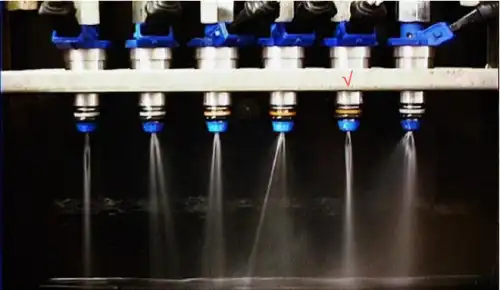
The strength of burning depends on how well the fuel is broken up into atoms. When High Atomization Fuel Injectors break it up into smaller pieces, each bubble has more surface area compared to its volume. This makes the fuel evaporate faster and mix better with the intake air. This method gets rid of "wall wetting," which is when liquid fuel sticks to the walls of the cylinder and burns incompletely, losing energy and making more harmful fumes. Advanced atomization depends on nozzle shapes that are carefully designed and often have micro-holes that were laser-drilled and placed in specific patterns to create turbulence and control the spray cone angles.
It's easy to tell the difference between normal and high atomization systems when you look at the technical details. Normal injectors can make drops that are 80 to 100 microns in size, but high-performance units can make droplets that are 40 to 60 microns in size. This difference is important because smaller drops evaporate more quickly, which allows for leaner mixes of air and fuel that get more energy from each combustion event while lowering the amount of hydrocarbon trash that isn't burned.
Critical Parameters That Define Performance
Several measured factors decide how well an injector works. Consistency in the spray pattern keeps the fuel evenly spread across the combustion chamber, which stops hot spots and knock. Pulse-width modulation accuracy controls the amount of fuel that is delivered. Dynamic reaction time controls how fast the injector opens and shuts. When parts have to work under pressures higher than 300 bar and temperatures up to 150°C, material quality becomes very important. When you combine high-grade martensitic stainless steel with special finishes, you get the toughness you need for long-term use in harsh industrial settings.
Operating pressure matching makes sure that the new fuel system will work with the old one. Our original equipment (OE) replacement High Atomization Fuel Injectors, like part number 96332261 (also known as INJ678 and 25182404), are made to work perfectly with the fuel system pressure requirements of the original vehicle. These units keep the accuracy of the injection amount within a range of ±4%. This means that the engine's power output stays stable and its fuel consumption stays steady.
Impact on Industrial Operations
When procurement teams look at upgrading High Atomization Fuel Injectors, they should know how they will help operations. Better atomization lowers the number of particles released during cold starts, which helps equipment meet Euro 6d and EPA Tier 3 standards without making pollution treatment more complicated. Gains in thermal efficiency of 3 to 7 percent mean lower fuel costs for the whole fleet, which adds up to big savings when applied to hundreds of cars or pieces of machinery. Also, cleaner burning reduces the formation of carbon deposits, which means less downtime and longer periods between repair visits. These are all things that have a big impact on the total cost of ownership in industrial settings.
Identifying and Overcoming Common Performance Bottlenecks
Recognizing Early Warning Signs
Performance loss doesn't usually happen all of a sudden. Operators who pay attention can spot small changes that mean problems are starting to form. Rough running is often a sign of fuel delivery issues caused by nozzles that are only partly clear. If fuel use goes up without matching changes in workload, this could mean that combustion isn't full because of bad atomization. Exhaust smoke, especially black smoke when the car is speeding up, shows that unburned fuel particles are leaving the combustion chamber. When a car has trouble starting, especially when it's cold, it's often because the spray patterns aren't strong enough to vaporize the fuel enough for ignition.
During the initial commissioning of equipment, quality assurance teams should set standard performance measures. Monitoring the amount of fuel used, the temperature of the waste gases, and the amount of pollution released gives us measurable points of reference. If these baselines aren't met, certain procedures are set in place to look into the problem before it gets worse and costs a lot of money or stops production.
Root Causes of Injector Underperformance
Carbon "coking" is the most usual cause of less atomization. When the engine is turned off, heat soak bakes fuel waste onto the tips of the nozzles. This gradually reduces the size of the orifice holes and changes the shape of the spray. Fuel that isn't very good and has too much carbon, particles, or water speeds up this growth and could damage internal parts. Wear on precision sealing surfaces lets fuel leak, which lowers injection pressure and makes it harder for the spray to atomize. When the calibration is wrong, either because of mistakes in the ECU mapping or changes in the voltage, the pulse-width timing is thrown off, which means that the wrong amount of fuel is delivered at the wrong time in the combustion cycle.
Maintenance Strategies That Preserve Performance
Proactive repair plans protect the performance of High Atomization Fuel Injectors and make them last longer. Professional ultrasonic cleaning gets rid of carbon deposits without hurting precision surfaces, but it needs trained workers and special tools. Visual checks done on a regular basis at service intervals find external damage and problems with the stability of the link early on. Using fuel filters that are made to OEM specifications stops contaminants from getting in and speeding up wear. Regular flow lab testing makes sure that each High Atomization Fuel Injector gives the right amount of fuel, and worn-out units are found before they affect how the engine runs.
These worries are taken care of by our manufacturing process, which includes strict quality control. To make sure they are durable, every High Atomization Fuel Injector goes through 1,000 hours of bench cycle testing, which is like using them in the field for years. We test for 100% original pressure leaks to make sure there are no zero-drip fitting issues. This stops fuel leaks that lower performance. Because they are committed to pre-delivery confirmation, you can be sure that the parts you receive will keep working as expected for at least 50,000 kilometers.
Top 5 Practical Ways to Improve High Atomization Fuel Injector Power
To get the most out of a High Atomization Fuel Injector, you need to pay careful attention to a lot of things that are all connected. When used properly, the following tried-and-true methods will make a measurable difference, whether you're upgrading old equipment or choosing parts for new installations.
1. Implement Premium Fuel Quality and Filtration Systems
Atomization depends on fuel cleanliness. Spray patterns are quickly reduced when impurities as tiny as 10 microns block 50-micron High Atomization Fuel Injector orifices. Industrial operations should utilize ISO 4406-clean fuel for high-pressure injection systems. Water separation in multistage filtering prevents corrosion and particulates from reaching injection ports. Instead of lengthening intervals to save money, manufacturers suggest changing filters regularly. These prevent pricey precision components from wearing out more quickly. Polishing systems that clean gasoline continually improve safety and extend the life of high-atomization gasoline Injectors in dirty fuel storage facilities.
2. Upgrade to Advanced Injector Technologies With Proven Specifications
New technologies may improve performance when replacing components. Modern High Atomization Fuel Injectors have improved multi-hole nozzle layouts to mix air and fuel, better coatings to prevent deposits, and tighter production limitations to maintain spray uniformity. Buying teams should consider material, seal quality, and lifespan when replacing. We use engineered plastic and stainless steel to resist corrosion and high heat. Pressure leak tests and extended cycle validation ensure that the units work well in tough situations, such as the DAEWOO Lacetti Gasolina 1.4L (2005–2006) and CHEVROLET Lacetti J200 1.6L (2005–2016) platforms, where they are direct OEM replacements that meet OEM requirements.
3. Calibrate Injection Timing and Pressure Precisely
High-end high-atomization fuel injectors operate poorly when time and pressure parameters are incorrect. Fuel injection alters the combustion cycle. Too early injection creates knock, whereas too late injection loses power and pollutes. Operating pressure determines droplet size and burning chamber depth. Professional calibration uses diagnostic tools to compare injection events to manufacturer specifications. Differences may be caused by electrical system voltage variations, ECU code errors, or high-pressure fuel pump degradation. Fixing these disparities frequently recovers efficiency losses that were pushing up expenses without generating evident difficulties, restoring anticipated performance.
4. Establish Routine Professional Cleaning and Maintenance Schedules
Damage repairs cost far more than preventive maintenance. Set service intervals based on hours of usage rather than random times to allow for part wear. Professional High Atomization Fuel Injector maintenance involves laser cleaning to remove carbon buildup, flow testing to ensure symmetrical spray pattern and quantity, and electrical testing to ensure solenoid response. Writing down these maintenance actions creates service history records that help you spot performance changes and schedule replacements. Operations with big teams or equipment benefit from working with service providers who provide rapid turnaround on refurbished exchange units. This decreases downtime while servicing numerous High Atomization Fuel Injectors simultaneously.
5. Match Injectors Precisely to Engine Models and Applications
Rarely do generic "universal fit" parts perform effectively. The High Atomization Fuel Injectors' flow rate, spray angle, and electrical qualities must match the engine's displacement, compression ratio, and management system parameters. Poorly fitting components may cause rich or lean circumstances that waste fuel, pollute, and harm engines via odd combustion processes. Procurement criteria should contain OE component numbers and ensure compatibility with specified automobile or equipment types. Our item 96332261 has been tested and proved to function with the stated usage, maintaining injection volume accuracy and sealing performance for these engine systems. This emphasis on application-specific engineering ensures that the parts you get operate together without calibration or adaptation, which may delay and increase the expense of installation efforts.
These methods work best together. Premium High Atomization Fuel Injectors function best when calibrated and maintained professionally. Fuel cleanness protects them. The combined impact improves fuel efficiency, power production, and emissions compliance. These advantages reduce operating costs and extend equipment life, supporting the investment.
Comparing High Atomization Fuel Injectors with Other Injection Technologies
Performance Advantages Over Standard Atomization Designs
When you look at measures for combustion efficiency, you can see the difference between high and normal atomization. When compared to High Atomization Fuel Injector units that get 40–60 micron droplets, standard injectors that make 80–100 micron droplets leave more unburned fuel, which raises brake-specific fuel consumption by 5–8%. Over thousands of hours of operation, this difference adds up to big differences in costs. Also, the profiles of emissions are very different. For example, particulate matter emissions can be 30–40% higher when atomization is coarser because of incomplete burning. These differences have an effect on equipment approval and working permits for procurement teams that are in charge of making sure that rules are followed.
Concerns about reliability are just as important. High Atomization Fuel Injector designs usually use stronger materials and better standards, which cost more at first but last longer between repairs. When looking at the total cost of ownership instead of just the unit purchase price, the trade-off formula favors new technology.
Technical Contrast With Legacy Carburetor Systems
Buyers in the industrial sector sometimes come across older machines that are still using carburetors to deliver fuel. When you compare these methods to fuel injection, you can see how much better the technology is. Venturi suction is what draws fuel into carburetors, but the mixture ratios aren't always stable because they depend on engine speed and load. This lack of accuracy loses fuel and lowers the power output. Fuel injection delivers exactly measured amounts at a controlled pressure, immediately adapting to changing needs. The level of atomization is also very different. Carburetors make fuel particles that are pretty big, while injection systems make fine mists that burn more fully. When carburetors are replaced with fuel injection systems, equipment retrofits often achieve 15–25% fuel savings while improving throttle response and lowering emissions enough to meet current pollution standards.
Evaluating Supplier Reliability and Support Infrastructure
Comparing technologies goes beyond comparing the specs of parts to also looking at what suppliers can do. Teams in charge of buying things should look at certifications for manufacturing, patent files that show technical know-how, and infrastructure for after-sales support. Suppliers who have both ISO 9000 and IATF 16949 approval show that their processes are consistent, which is important for controlling the quality of each batch. Patents on High Atomization Fuel Injector designs and ways of making them show that the company is really coming up with new technologies, not just making things for other companies. This is shown by the terms of the warranty. For example, our normal one-year guarantee with replacement support for quality problems shows that we are very strict in the production process, which keeps field failures to a minimum. Dependable delivery is also important. Our 30-day production rounds and flexible shipping choices allow for both regular purchases and urgent replacements.
How to Procure High Atomization Fuel Injectors Efficiently for Your Business
Establishing Comprehensive Selection Criteria
Procurement requires precise specifications that include technological and business concerns to perform properly. Technical considerations include OE part number compatibility, material requirements, operating pressure ranges, and certification conformity. Provider manufacturing capacity, minimum order quantity, unit pricing at various volume levels, and payment terms affect a firm. Putting these portions in formal request-for-quotation paperwork ensures vendors provide identical information, making appraisal easy.
Checking protects against fake parts and illegal vendors. Requesting evidence of approval proves you comply with IATF 16949 and emission regulations. Copyright checks confirm a supplier's engineering competence. Calling manufacturer representatives directly may verify if the business is an authorized distributor and that the parts you purchase are genuine and guaranteed.
Optimizing Bulk Ordering and Logistics Coordination
Bulk purchases save money due to tiered pricing and cheaper delivery costs. Fleet management companies should calculate how much they consume annually and negotiate costs, supply timings, and quality. Just-in-time shipment reduces inventory costs and increases availability. Shipping options like sea freight for routine shipments and aircraft express for urgent replacements balance cost-effectiveness and practical urgency.
Clearing customs and paying import charges are part of international commerce. Working with exporters who can offer business invoices, packing lists, and certificates of origin streamlines customs clearance. Our logistics service comprises sea, air, and international express (DHL, FedEx, UPS). Our documentation services simplify clearance for B2B customers worldwide.
Leveraging OEM/ODM Partnerships for Customization
Standard stock parts meet most demands, but special usage needs modifications. OEM/ODM suppliers may modify High Atomization Fuel Injector parameters for varied mounting forms, connection arrangements, and pressures. Our 20 years of manufacturing expertise and patent portfolio, which includes injector designs, enable our engineering team to create unique solutions for customers. This talent is useful for finding parts for unusual machines or building next-generation systems with non-standard specifications.
Partners transform sellers from transactional suppliers to strategic tools. Technical assistance during specification development, quality control to ensure batch consistency, and field support after the sale distinguish meaningful partnerships from mere purchases. Operations managers should evaluate suppliers based on speed, technical expertise, and customer success commitment.
Conclusion
To get the most out of a High Atomization Fuel Injector, you need to pay attention to the quality of the parts, the tuning of the system, the cleanliness of the fuel, and good repair habits. When making these kinds of choices, B2B buying teams can make better ones if they understand the technical rules that drive atomization efficiency, can spot signs of performance degradation, and use tried-and-true ways to make things better. When used in a planned way, the five methods listed—managing the quality of the fuel, updating technology, exact calibration, professional upkeep, and matching parts to the right job—enhance efficiency, meet emissions standards, and be more reliable. When you compare injection technologies, you can see that current High Atomization Fuel Injector designs are much better than older ones. These improvements are worth the money because they lower running costs and extend the life of the system. You can get quality parts with technical support and warranty protection if you use efficient buying practices that focus on thorough selection criteria, volume optimization, and strategic seller partnerships.
FAQ
How often should I clean high atomization injectors to maintain peak performance?
How often you clean depends on how the engine is running and the strength of the fuel. In controlled settings, equipment that runs on clean gasoline usually needs to be cleaned by a professional every 1,500 to 2,000 hours of use. In situations with a lot of dust, changing fuel sources, or long periods of inactivity, the machine may need to be serviced every 1,000 hours. By keeping an eye on changes in fuel use and tailpipe pollution, you can tell early on when cleaning is needed, before poor performance starts to affect operations.
What fuel consumption improvements can I expect after upgrading to high atomization injectors?
Gains that can be measured depend on the starting point. When old standard injectors are replaced with new High Atomization Fuel Injector units, fuel consumption usually goes down by 5 to 12 percent. The gain comes from getting more energy from each fuel charge through more thorough combustion. By keeping track of average usage rates before upgrades, operations can figure out how much money they actually saved, which is usually enough to cover the cost of the upgrades within 6 to 18 months of buying less fuel.
What warranty coverage and after-sales support should I expect from suppliers?
Manufacturers with a good reputation offer guarantees that cover material flaws and problems with the workmanship for at least one year. Quality providers give new units for units that have been proven to be defective, and the return process is streamlined to keep downtime to a minimum. Technical help that answers questions about installation and fixes problems with speed goes beyond the warranty period and adds value. As part of our promise, we will accept returns or repair items that don't meet quality standards. We will also provide dedicated technical support to make sure that the parts fit together correctly and continue to work well after the warranty time is over.
Partner With angu for Reliable High Atomization Fuel Injector Supply
Achieving success in manufacturing starts with using parts that are designed to last. Angu makes High Atomization Fuel Injectors that are built to strict standards and are certified by ISO 9000 and IATF 16949, which ensures that the quality of each batch is the same. Our 20 years of manufacturing experience, which is covered by 3 idea patents and 6 utility model patents, lets us make High Atomization Fuel Injectors that keep the injection volume within ±4% of its target while also sealing perfectly, as shown by 100% factory pressure testing. These specs are important because they have a direct effect on how well your equipment uses fuel, how well it meets pollution standards, and how reliably it works.
Teams in charge of procurement like it when shipping times are clear, and help is quick to respond. We have set 30-day production cycles that can handle both regular orders and pressing needs. We also offer a range of flexible shipping choices, such as sea freight, air freight, and foreign express shipping, to meet your needs. Our OEM/ODM customization options cover unique uses that need different specs, and our one-year guarantee with replacement support for quality problems safeguards your investment. We have been making High Atomization Fuel Injectors for the automobile, industrial equipment, and heavy machinery industries around the world for a long time, so we know what quality consistency, technical paperwork, and after-sales service are important for B2B buyers.
Get in touch with chenrf@angu.com right away to talk about your unique needs, get detailed specs for our OE replacement High Atomization Fuel Injectors, such as part number 96332261, or look into the ways we can customize our products for special uses. Our team gives you specific quotes, checks to make sure the parts work together, and helps you buy them. This makes it easier to choose where to buy parts and makes sure you get ones that meet your speed, quality, and delivery needs.
References
1. Anderson, M., & Thompson, R. (2023). Advanced Fuel Injection Systems: Engineering Principles and Industrial Applications. Society of Automotive Engineers International.
2. Chen, L., Wang, J., & Liu, Y. (2022). "Spray Characteristics and Combustion Performance of High-Pressure Fuel Injectors in Diesel Engines." International Journal of Engine Research, 23(7), 1145-1162.
3. European Automobile Manufacturers Association. (2024). Euro 6d Emission Standards: Technical Requirements and Compliance Testing Protocols. Brussels: ACEA Publications.
4. Harrison, K. (2023). B2B Procurement Strategies for Automotive Components: Quality Assurance and Supplier Evaluation. Industrial Press.
5. Nakamura, T., & Suzuki, H. (2023). "Atomization Technology Advances in Multi-Hole Fuel Injectors: Impact on Particulate Emissions and Thermal Efficiency." SAE Technical Paper Series, 2023-01-0296.
6. United States Environmental Protection Agency. (2024). Tier 3 Motor Vehicle Emission and Fuel Standards: Technical Implementation Guide. Washington, DC: EPA Office of Transportation and Air Quality.
YOU MAY LIKE